Modal Path Ethics can now project that the government exists.
CAP 38 has finalized its entire Topic Leadership Team. Spammernoob will serve as Topic Leader. AzothBend will lead Typing. Guingil will lead Ability. Gekokeso will lead Stats. Zetalz will lead Movepool.
The specialist election used Ranked Pairs and received 29 ballots containing 174 expressed preferences. The final ordering was Guingil, Zetalz, Gekokeso, AzothBend, CapitanPabloskii, IronTemplar, Volsur. The first four became the Topic Leadership Team. Guingil defeated Zetalz head-to-head by one vote, 15–14. The counting script reported a conclusiveness of 56.7 percent.
This completes the correction cycle begun yesterday. The article first went live without noticing that the Topic Leader election had already ended, then discovered Spammernoob, then noticed it had erronously suggested that kenn had applied for both Topic Leadership and the Topic Leadership Team when he had done no such thing, then waited very gravely for four additional chairs to fill.
Those chairs have filled.
More importantly, the result answers the succession question this article spent an unreasonable amount of time asking. CAP did not reproduce one standardized leader four times. It selected a team containing different kinds and durations of institutional contact, then distributed four real jurisdictions among them.
Modal Path Ethics is therefore closing its election desk before it begins drawing precinct maps.
Pokémon is a turn-based battle game in which players assemble teams of creatures with different types, abilities, statistics, and moves. Competitive Pokémon communities study which creatures and strategies work against one another, build formal rulesets, run tournaments, and develop what is usually called a metagame: the shifting field of common teams, expected threats, available responses, and strategic adaptations produced by continued play.
Smogon University, usually just called Smogon, is an unofficial fan-run competitive Pokémon community. It is not owned by Nintendo, Game Freak, or The Pokémon Company. Its authority exists because players continue to use its analyses, formats, forums, tiering systems, and the Pokémon Showdown battle simulator.
The Create-A-Pokémon Project, shortened to CAP, is one institution inside that wider community.
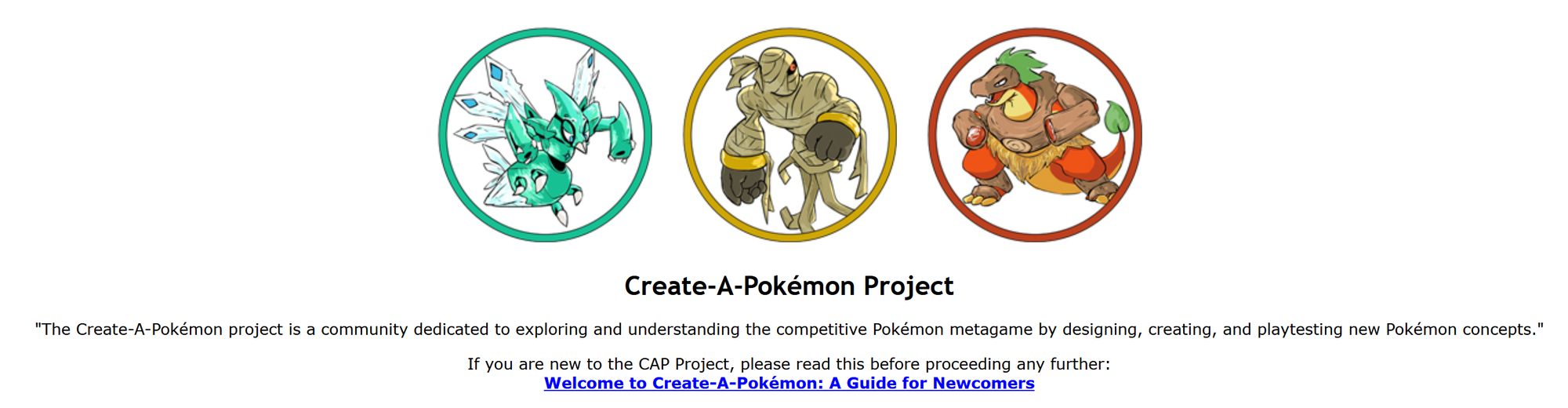
Its own mission statement describes the project as a community dedicated to exploring and understanding competitive Pokémon by designing, creating, and playtesting new Pokémon concepts. The resulting creatures are implemented for real play on Pokémon Showdown, where they occupy a dedicated CAP competitive environment alongside official Pokémon.
CAP is not primarily a character-design contest.
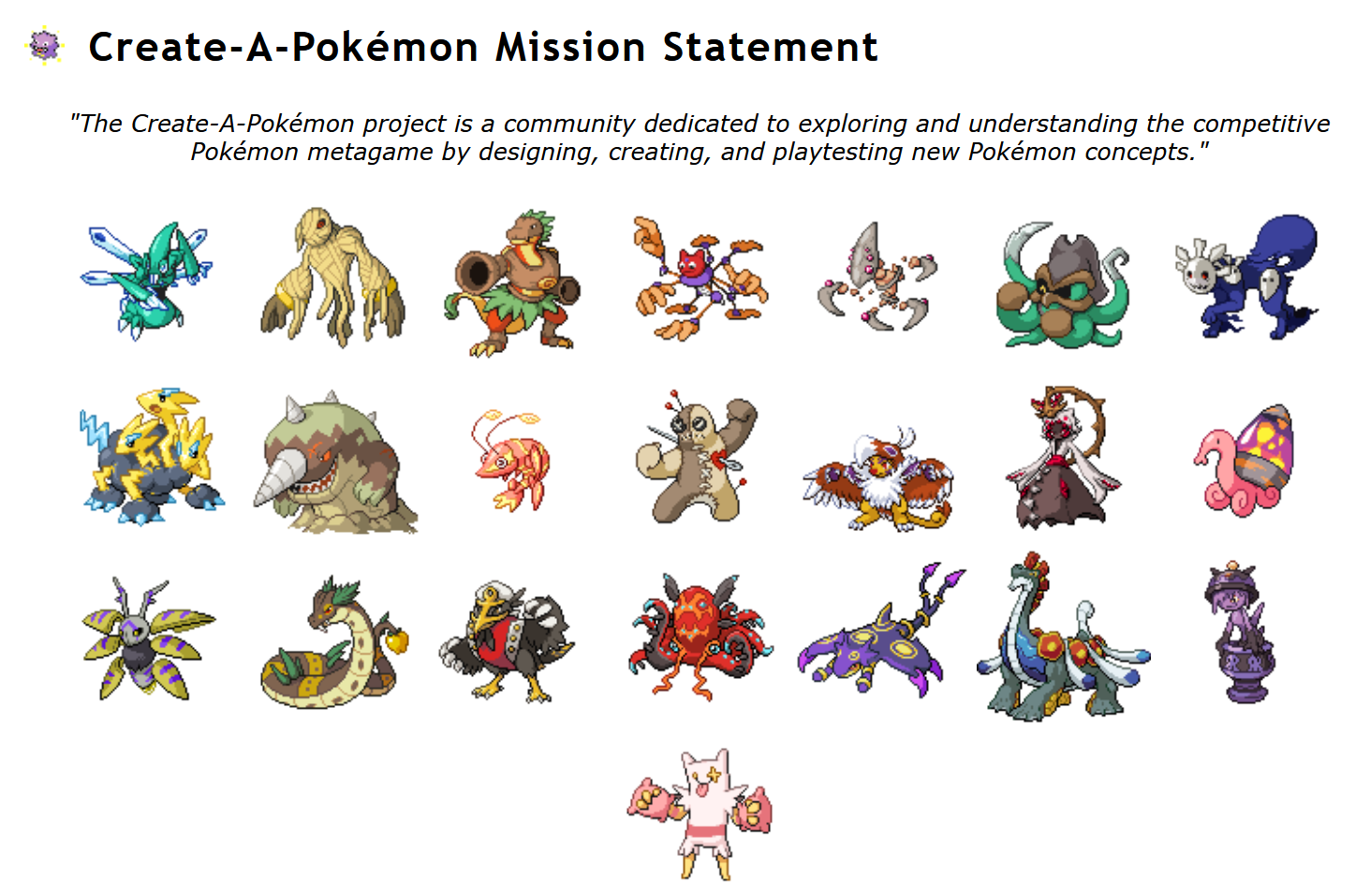
The community is attempting to learn something about competitive play by building a new object into the existing field and then seeing what happens.

The first public proposal appeared on November 27, 2007. Cooper suggested that Smogon could run a months-long community creation project in which regular forum members voted on each part of a Pokémon. The thread’s opening poll offered two possible answers:
One hundred fifty-six people selected the first option.
Twenty-five selected the second.
The opposition had a defensible concern.
Great Sage predicted that the project would become:
“rampant with useless subjectivity”
and produce
“ridiculous debates over the most insignificant things.”
Great Sage was correct.

The project began anyway.
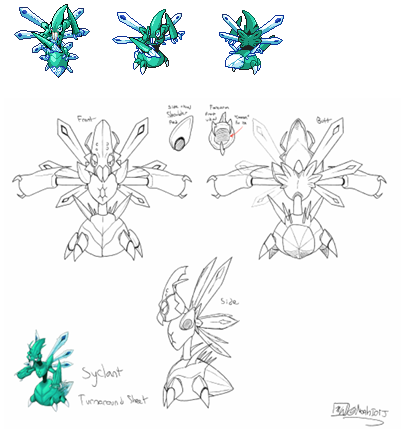
It created Syclant, a Bug/Ice Pokémon designed through a sequence of early community polls. Then it created Revenankh. Then Pyroak. Then Fidgit, Stratagem, Arghonaut, Kitsunoh, Cyclohm, Colossoil, Krilowatt, Voodoom, and eventually dozens more.

The current project is CAP 38.
A modern CAP project begins by selecting its leadership.
Then the community chooses a Concept.

A Concept is the competitive question the project is going to investigate. It does not usually specify the final creature in advance. It identifies a strategic relation worth exploring and gives the later decisions something to remain answerable to.
The project then moves through a long sequence of linked stages.

The exact process has changed across CAP history, but the current guide includes leadership selection, Concept submissions and polling, Concept Assessment, typing, Threats Discussion, abilities, statistical limits and spreads, art, counters, naming, attacking and non-attacking moves, complete movepools, sprites, implementation, playtesting, and analysis.
Every stage inherits the previous stages.

Art and flavor proceed alongside the competitive process and eventually have to belong to the same creature.

There is no blank reset between stages.
By the time participants reach the movepool, they are no longer deciding what moves would be interesting on some abstract Pokémon. They are deciding what moves belong on the specific object produced by every earlier argument.

CAP therefore has two simultaneous jobs.
This is substantially harder than it sounds.

The central coordinating office is the Topic Leader, shortened to TL.

Smogon’s current process guide calls the Topic Leader the head of an individual creation project. The office maintains pace, leads discussions, determines poll formats, interprets results, decides when secondary polls are required, selects slates for some stages, and coordinates with moderators when absence threatens the schedule. A new Topic Leader is chosen for each new creation.

The official nominations guide describes the Topic Leader in stronger terms. The TL is expected to:
“decipher the community’s discussion and translate it into slates.”
That word translate is doing a great deal of work.
A forum discussion does not naturally become a decision.

Participants may agree for different reasons.
They may use the same term to describe incompatible ideas.

A popular proposal may not actually answer the Concept.
Several good proposals may differ only cosmetically and divide the same coalition.

A late post may reveal a distinction that reorganizes everything written before it.
Somebody has to read the field, determine what the live options actually are, and turn the discussion into a set of choices the community can select among.

The Topic Leader does not currently carry all of that work alone.
CAP 38 opened five leadership positions:
The four specialists form the Topic Leadership Team, shortened to TLT. Each specialist leads one major competitive domain, develops the discussion there, and prepares the slate for the relevant poll. The Topic Leader leads the project as a whole, runs several integrative stages, and finalizes the specialists’ slates.

The current application thread states the governing aspiration directly:
“quality control,” not “project control.”
That distinction was earned through a long and unpleasant history.
We will get there.

For now, the relevant fact is that CAP does not simply open a giant poll and accept whatever receives the most clicks.
Its current Process Rules require public submission and discussion threads before polling. Participants can submit options, critique other submissions, state preferences, and develop the reasoning behind them. Posts are expected to be substantiated rather than functioning as unsupported votes inside the discussion itself.
Then the Section Leader decides which submissions advance.

The rules say that this judgment is made using the formal rules, the leader’s metagame knowledge, the developing CAP, and the leader’s expectations for what the creation requires.
Only after that does the public poll begin.

This means the leadership office carries authority at two different moments.
We are going to spend a lot of time on that distinction.
A slate is the set of submissions allowed to advance from discussion into polling.
Suppose twelve people submit statistical spreads for a new Pokémon.

The Stats Leader does not automatically place all twelve into the final poll.
The Stats Leader interprets that record and decides what advances.

CAP has changed voting systems too.
The published Process Guide still explains instant-runoff voting and bold voting as the project's standard polling methods, and its Topic Leader Selection page still describes the leadership election as an instant-runoff vote.
The live institution has moved.

Recent major CAP polls, including Topic Leader elections, use Ranked Pairs.
A voter ranks as many candidates as they want. The count then turns those rankings into head-to-head contests: Candidate A against Candidate B, Candidate A against Candidate C, and so on. The strongest victories are considered in order and locked into the ranking unless doing so would create a cycle.
The result is less:
and more:
This is another small reminder that an institution's operating constitution can move faster than its published guide.
Candidates still nominate themselves and explain their experience. Forum moderators determine which applicants are qualified. The accepted candidates then enter a public ranked ballot open to the CAP community.
This is not a completely open election.
It is also not a private appointment.
Expert screening occurs before public preference.
We will spend time on that too.

This is about constitutional succession.
CAP also has mechanisms for returning to decisions after they have acted.
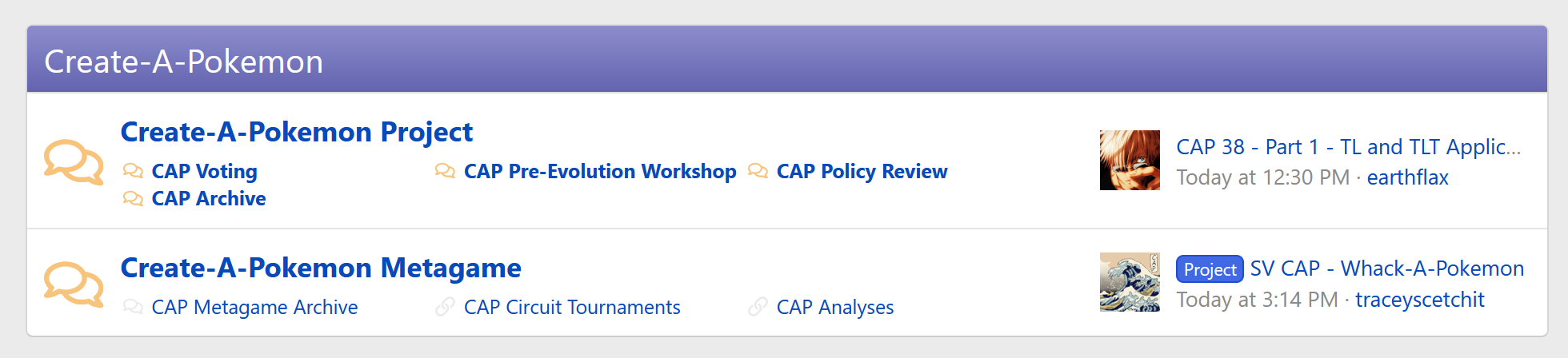
A Policy Review turns the community’s attention toward its own process. Participants argue about leadership powers, voting rules, stage order, pacing, qualification, moderation, and other institutional questions. Many of the changes examined in this article were proposed, contested, and adopted through these public reviews.

A Post Play Lookback turns back toward the completed Pokémon after competitive play has supplied evidence about what the design actually did.
These are separate correction routes.
The distinction will matter later, after we have watched CAP discover why it needed both.
For now, we finally have enough vocabulary to begin the history.

Create-A-Pokémon does not vote a monster directly into existence.
It selects people to translate a long public inquiry into a sequence of bounded choices. Those people receive enough authority to influence what the community can decide, enough responsibility to carry the relation among stages, and enough procedural support to keep the project moving for months.
Then the Pokémon is finished.

The first major constitutional question in CAP history appeared almost immediately:
Who gets to lead the next one?
Create-A-Pokémon began in November 2007 with a poll, a tentative schedule, and no settled institution capable of carrying either one.

Cooper opened the first project as its organizer because he had proposed the project. Participants quickly began calling the role a mini-mod, which was accurate enough to describe the work and unfortunate enough that the community soon began searching for another term.
By March 2008, CAP had completed Syclant and was finishing Revenankh. The first project had taken roughly six weeks. The second was entering its eleventh.

The community responded to this by opening a sixteen-page workshop to write down how the project was supposed to work.
The thread begins with Deck Knight assembling a writing team for the new Process Guide. Cooper and Hyra were assigned the section on the mini-mod’s definition and duties because Cooper had organized Syclant and Hyra was then running Revenankh. Deck Knight proposed two possible replacements for the title.
Topic Leader won history.
This is probably for the best.

The group then began trying to answer four questions:
The last question became urgent before the guide existed.
Luck raised the first problem in extremely ordinary terms.
The project had selected good people. Good people could still become unavailable.

“People go away on vacations, get sick, find a new job or school work crashes down hard.”
Luck proposed finding several active participants and gradually preparing them as replacements or backups before the absence occurred.
This was not yet a theory of distributed authority.
It was a forum user noticing that the project could stop because somebody had homework.

That is enough to begin institutional design.
Online communities often look less material than conventional organizations because their buildings are tabs and their work is performed through posts. The dependencies are still physical. The Topic Leader has a body, a schedule, a job, a family, a school term, a time zone, and a finite quantity of attention.
If nobody else knows how the process is being carried, the project has not escaped those facts.
It has concentrated them in one person.

Luck’s proposed alternates were therefore not simply emergency replacements. The proposal included slowly grooming people into the work while the existing leaders were still present.
CAP had created two Pokémon.
It was already discussing a succession bench.
Five days later, Hyra returned to the thread and made the succession problem explicit.

“How are we going to choose the next one?”
Cooper and Hyra were writing the leadership guide. Both had already led projects. If the new guide simply allowed them to choose another leader, CAP would acquire a process whose first effect was to formalize the authority of the people writing it.
Hyra continued:
“I assume you are leaving it up to us. But that’s not exactly the best way to go about it.”
DougJustDoug proposed the first serious selection architecture the next day.

The incumbent would no longer privately name the successor. Candidates would nominate themselves and make a public pitch. Community members could post support. A committee of past Topic Leaders and other experienced participants would evaluate the field. Committee members could not themselves become candidates. A non-voting chair would organize the process and break a tie if necessary.
The crucial sentence came near the beginning:

“I think the project has moved beyond that now.”
The that was incumbent succession.
Cooper had chosen Hyra for Revenankh. Doug did not claim this had been a bad choice. The relationship had worked well enough for both people to be writing the first Process Guide.
The objection was structural rather than retrospective.
A procedure can be safe while the current people are trustworthy and still be a bad procedure.
At no point does the institution have to discover whether its authority can move without passing through the incumbent’s private judgment.

CAP had reached only its third succession and was already refusing that path.
Doug’s replacement was not a pure popular election.
He specifically rejected a free-for-all cattle call and argued that selecting this kind of leader required some subjective judgment from experienced participants. The public could provide information and support. The panel would make the final choice.
The proposed procedure tried to preserve two things at once.

Neither requirement was allowed to disappear into the other.
Hyra liked the proposal, and immediately identified its next failure mode.
Revenankh had barely received a name before participants began demanding the next creation thread. Hyra estimated that even the expedited procedure would produce a three-to-seven-day gap between projects.

“They will not appreciate any gap in the transition.”
This sentence is funny because the field is a Pokémon creation forum in 2008.
It is also exactly the problem.
An online project depends on active attention. Participants leave a finished stage, wait for the next one, and begin spending their time somewhere else. A week is not long in a state constitution. It can be very long in a volunteer internet project whose current institution consists of people refreshing the same thread.

Hyra then rejected the easy speed solution too:
“Named succession doesn’t work either. Eventually someone will screw it up and then this project tanks.”
The same post called for an impeachment process in case CAP selected a Topic Leader capable of killing the project.
The community had now assembled the whole succession problem in fewer than twenty forum posts.
No single rule solved all four.

This was not a disagreement over whether succession mattered.
It was a disagreement over which part of succession would be allowed to fail.
Time Mage offered the counterargument.

CAP could survive one week without active polling. Selecting the next Topic Leader carefully mattered, but the process surrounding the office mattered even more. Poll order, poll style, duration, and the conditions for additional votes should be decided in advance rather than becoming discretionary powers invented by the next leader.
The Topic Leader, in this account, should direct and organize a process whose major rules already existed.

That is a different theory of institutional speed.
Doug agreed that one week without polls was survivable. He did not agree that the Process Guide could sit still.
The workshop itself had been open for seven days with little visible progress. Revenankh was nearly complete, and the leadership-selection discussion had only just begun. Doug threatened to close the workshop and pursue another route if the writers did not begin producing concrete rules.
This is where the archive becomes perfect.

The people writing rules about project delay are delaying the project by writing rules about project delay.
The institution has entered the document.
The pacing problem was not imagined.

Later in the same thread, Doug recorded that Syclant had taken six weeks to complete and Revenankh was beginning its eleventh week of discussion and polling. The second project had taken so long that participants were already arguing about lost interest, concurrent projects, shorter polls, and whether the whole process should be reverse-engineered to fit within a four-to-six-week target.
CAP was learning something that larger institutions repeatedly discover under more dignified names.
A process can become so careful that it loses the people whose participation makes the process legitimate.
It can also move so quickly that authority outruns the rules meant to govern it.

The 2008 workshop did not settle this problem forever.
It did establish the terms under which CAP would keep encountering it.

This was CAP’s constitutional field before its third Pokémon had been completed.
The community had not yet decided how strong the Topic Leader should be.
It already knew that a formally valid successor arriving after the project had lost momentum would not be enough.
The next problem would come from the work itself.
The first Topic Leaders were not expected to own the direction of a Create-A-Pokémon project. They organized it.

The most detailed surviving reconstruction of this early period appears in a 2012 Policy Review written by DougJustDoug during a later leadership crisis. That source needs to be handled with care. Doug was one of CAP’s central architects and moderators, and his historical account was being used to support a major reform proposal. He was not writing from outside the institution or without a position on what the history meant.
The public process archive supports the basic chronology.

Doug’s interpretation gives us the internal constitutional language CAP used to describe what it thought had gone wrong.
In his account, the earliest leaders functioned largely as an:
“administrative assistant”
They opened discussions, collected feedback, organized polls, counted votes, and constructed slates from the options that appeared to have the strongest community support.
The office contained real authority.

The Topic Leader decided when a discussion was finished. The Topic Leader determined which options had enough support to move forward. The Topic Leader administered the sequence.
But the leader’s own substantive position was not supposed to carry more official weight simply because the person held the office.
CAP later called this the Weak Topic Leader Model.
It was not weak in the sense that nobody listened.

Several early Topic Leaders were moderators or major Smogon personalities whose ordinary posts already carried enormous influence. The distinction was institutional. Their personal argument and their official action were supposed to remain separable.
This worked better on some projects than others.
The first creation, Syclant, did not begin with a formal competitive Concept.
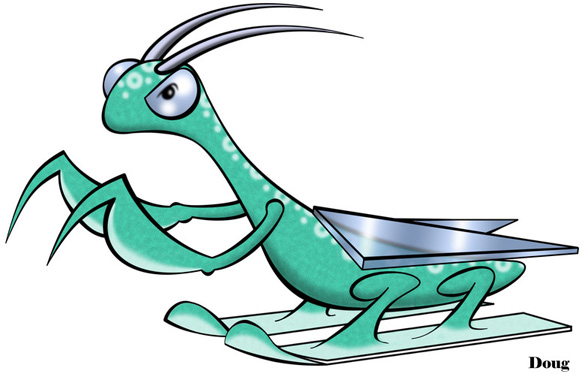
Cooper organized the threads. Different participants arrived with different ambitions. One group wanted something resembling Infernape: a fast mixed attacker with broad coverage and setup potential. Another wanted a response to Garchomp, then one of the dominant and most hated Pokémon in the Diamond and Pearl metagame.
The project gradually produced a Bug/Ice attacker with extreme Speed, strong mixed offense, weak defenses, an Earthquake resistance, and the ability to destroy Garchomp through powerful Ice attacks.
This was not the execution of one explicit design document.
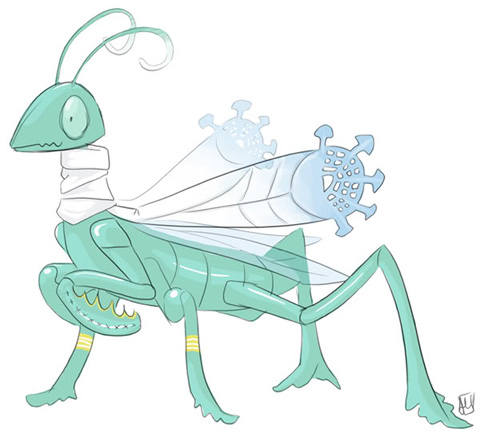
A direction emerged from the public field as the polls moved.
Revenankh, the second creation, was similarly loose in formal structure and much more focused in outcome. Cooper selected Hyra to organize the next project. Participants converged around a Ghost/Fighting Pokémon that could use Bulk Up, and the project deliberately gave the resulting creature different recovery arrangements to test which would work better in play.
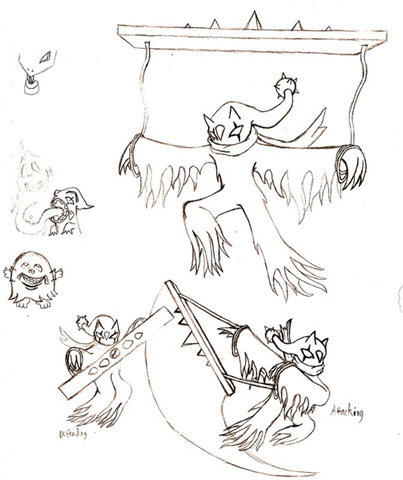
The result was a powerful, coherent Pokémon built before CAP possessed a formal Concept stage or even a settled Topic Leader selection procedure.
This history matters because it prevented CAP from drawing one easy conclusion later.
Then came Pyroak.
CAP 3 was the first project run under a more formalized leadership structure.

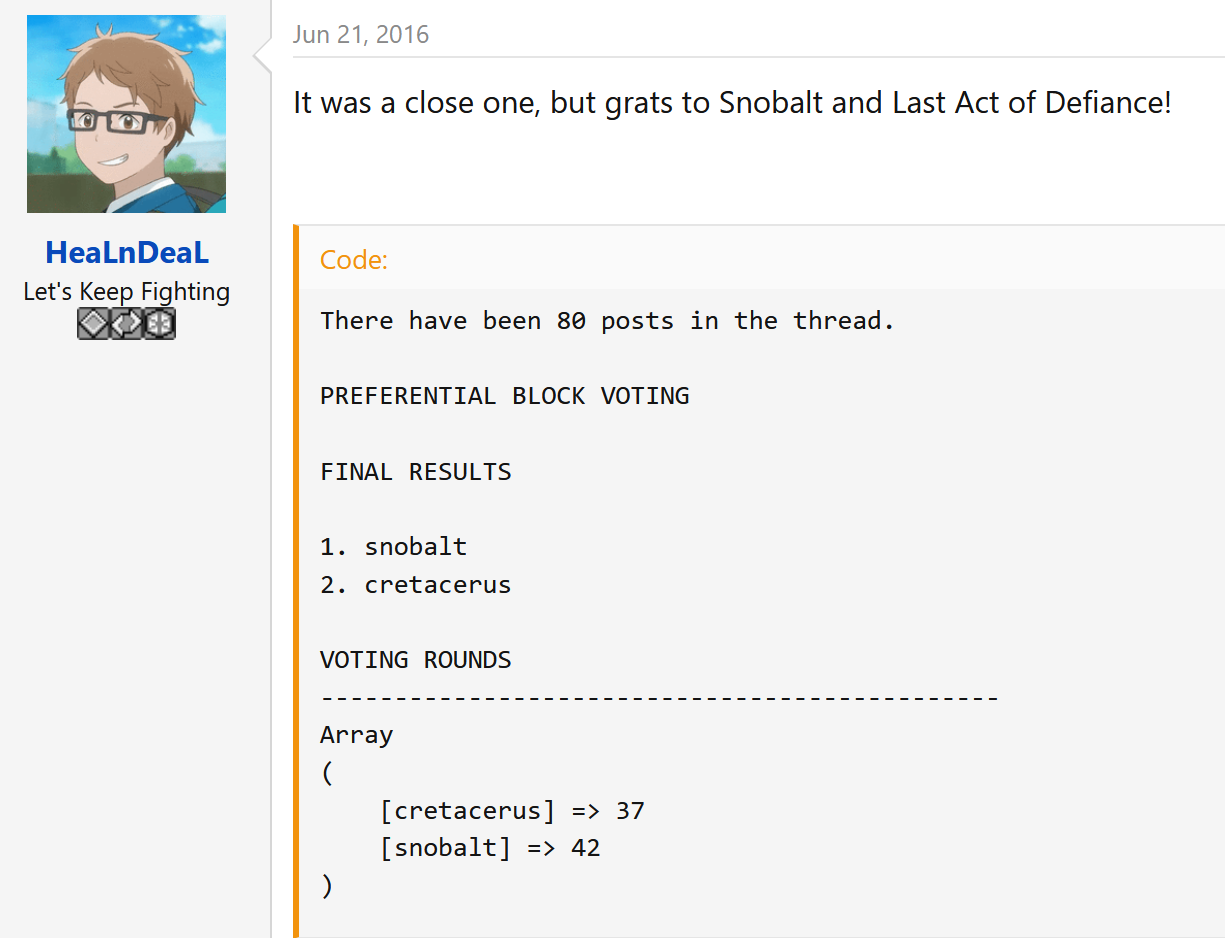
Gothic Togekiss was selected as Topic Leader by the early selection committee. The community chose Grass/Fire typing.
Then the project split.
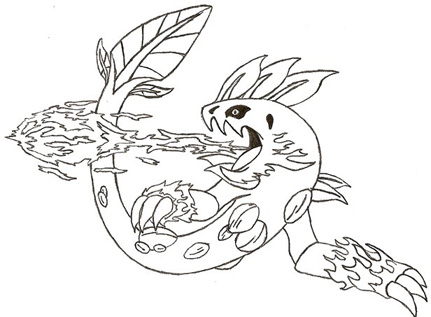
The dispute intensified when automatic sunlight entered the discussion. Permanent weather was one of the major boundaries separating ordinary Diamond and Pearl competitive play from the Ubers environment, and giving a community-created Pokémon access to it raised questions far beyond the selected typing.
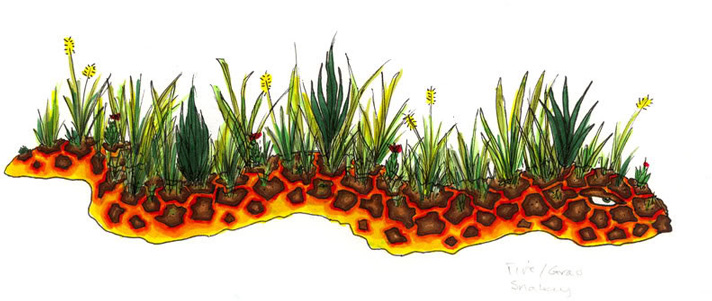
Participants began arguing about later stages before earlier ones had settled. Each poll inherited several incompatible readings of what the project was becoming. The Topic Leader could organize those decisions without possessing a mandate to choose among the competing visions.
Pyroak was completed.

The process had become, in Doug’s later description, a disaster.
CAP responded by creating the formal Concept stage.

Every future project would begin by selecting a public competitive question intended to serve as a compass across the later decisions.
The reform made sense.
Typing, abilities, statistics, and movepool could now be evaluated against the same declared purpose.

A participant could no longer justify an option only by saying it would be cool, strong, or useful. The option also had to answer the project CAP had agreed to conduct.
Then the community discovered that a compass does not carry itself.
CAP is a sequential public process, but it is not one stable room of people following every decision with equal attention.
Different stages attract different specialists.

This diversity gives CAP much of its intelligence.

It also means that the people interpreting the Concept during one stage may not be the people interpreting it during the next.
Doug’s 2012 history gives the cleanest example.
Every local choice could be defensible.
The whole creature could become a:
“Frankenstein’s Monster”
One Pokémon.
Several projects.

This is the key point in the defense of strong Topic Leadership.
Voting does not integrate what voting produces.
A public Concept does not automatically preserve one interpretation of that Concept across months of changing participants and accumulated decisions.
A procedure can be open, participatory, well documented, and structurally incapable of carrying the relation among its own stages.

CAP did not need someone to replace community judgment.
It needed someone to remember what the judgments were supposed to belong to.
The problem came to a head during CAP 8, the project that produced Cyclohm.

The selected Concept was Neglected Ability. The project was supposed to explore a competitively overlooked Pokémon ability by building a creature capable of using it well.
Another submitted Concept, Deck Knight’s Paralysis Abusing Tank, had lost the Concept vote.
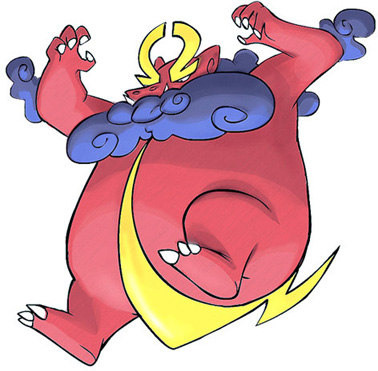
According to Doug’s later reconstruction, the losing direction did not leave the field.
Deck Knight remained one of the project’s most active and persuasive participants. He argued across stages for a bulky Dragon-type capable of exploiting paralysis. He eventually won the statistical and movepool stages himself and influenced discussions throughout the creation.
None of this required formal authority.
Deck Knight was not the Topic Leader or even a project moderator.
He was very good at posting.

The official Topic Leader was Cyberzero. Under the Weak Topic Leader Model, Cyberzero’s job was to interpret the public discussion and administer the resulting polls. It was not to suppress an influential participant’s direction because that direction had lost an earlier vote.
So CAP 8 developed into what Doug describes as an influence battle. Different coalitions organized around different readings of the broad Concept. Participants campaigned across stages. The Topic Leader kept the process moving while the project twisted among them.

Cyclohm emerged with some competitive coherence, partly because Deck Knight’s preferred direction carried through enough of the stages to hold several pieces together.
The route there still looked like a mob brawl.
This is a difficult institutional failure to diagnose.
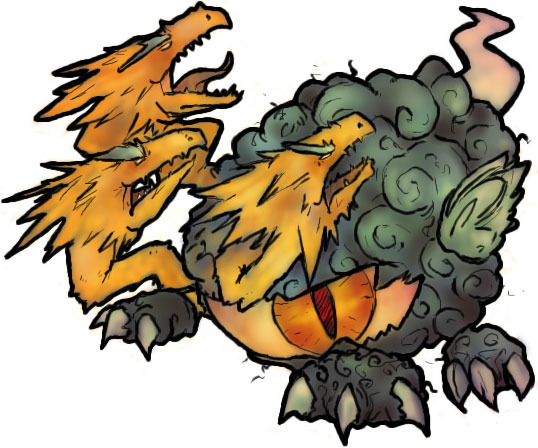
Deck Knight had persuaded people through public argument.
The polls were still real.
Cyberzero had not falsified the record or imposed a private design.
The community had chosen every component.
The project had also created a system in which the person most capable of dominating several separate discussions could function as an unofficial integrator without becoming answerable for integration as an office.

CAP’s later review did not place the failure primarily on Cyberzero or Deck Knight.
It placed the failure on the process.
After Cyclohm, CAP rewrote the office.
The Topic Leader would no longer sit back, count mentions, and assemble whatever options appeared most popular.

“corral the herd.”
This became the Strong Topic Leader Model.
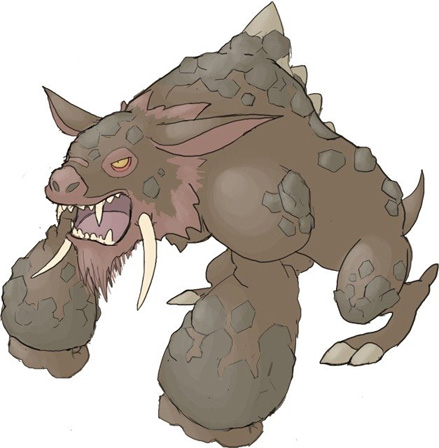
The reform concentrated authority in several ways at once.
From outside, this can sound like CAP abandoned democracy after one disorderly Pokémon.
That is not what the record shows.
The public discussions and public polls remained.
Participants continued supplying the proposals and arguments.
The Topic Leader did not receive authority to privately specify the finished creature.
The office received authority over interpretation and sequence because the project had learned that those functions were already being performed informally, unevenly, and without clear accountability.
This is concentrated formative authority in its strongest defensible form.
CAP did not make the Topic Leader strong because it thought leaders were naturally wiser than communities. It made the Topic Leader strong because the community had repeatedly produced pieces that did not know how to become a whole. The project strengthened Topic Leadership after learning that sequential public choices do not automatically integrate themselves.
CAP 9 produced Colossoil under Plus, the first Topic Leader explicitly selected to operate under the new model.
Doug’s retrospective describes Plus as strong enough that CAP did not have to explain the mandate twice. Plus was already a forceful personality. The new office invited the leader to direct discussion, reject bad options, and keep the project on course.
He did.

The community had repaired one failure by creating a new constitutional possibility.
That was not yet proof that the reform was wrong. This was the power CAP had deliberately built. The office now carried the Concept across the process. It interpreted which arguments served that Concept. It decided which options were serious enough to become public choices. It was expected to protect the project from drift, incoherence, and failure.
CAP had given one temporary leader responsibility for the relation among all the parts. The next constitutional crisis would begin when the community tried to determine where that relation ended and the leader began.

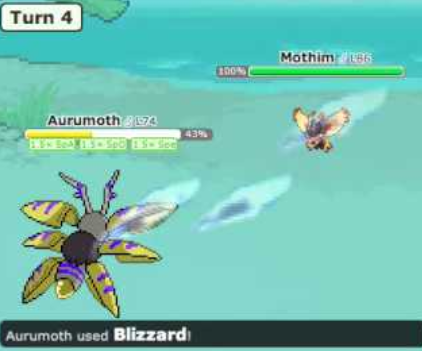
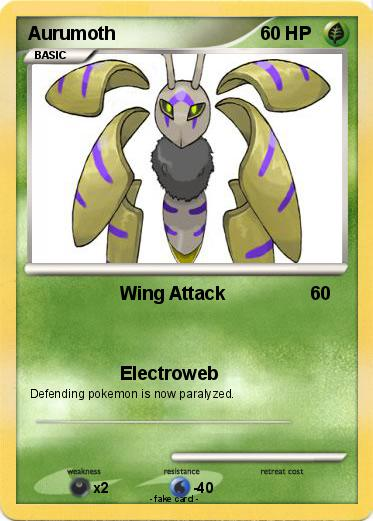
The Pokémon was called Aurumoth.
CAP 4 began in September 2012 with a concept called Living on the Edge.
The project would create a Pokémon built around risk.
This was already a dangerous noun to hand an internet forum.

Risk can mean inaccurate attacks. It can mean exposing a weakness in exchange for power. It can mean committing several turns to a setup that may fail. It can mean choosing a Pokémon whose matchup spread is excellent when predicted correctly and terrible when predicted incorrectly. It can mean asking the player to invest heavily in support before receiving anything useful back.
The Concept Assessment stage was supposed to narrow those possibilities into a competitive question the later stages could answer.
It did not narrow them very far.
Aurumoth emerged anyway.

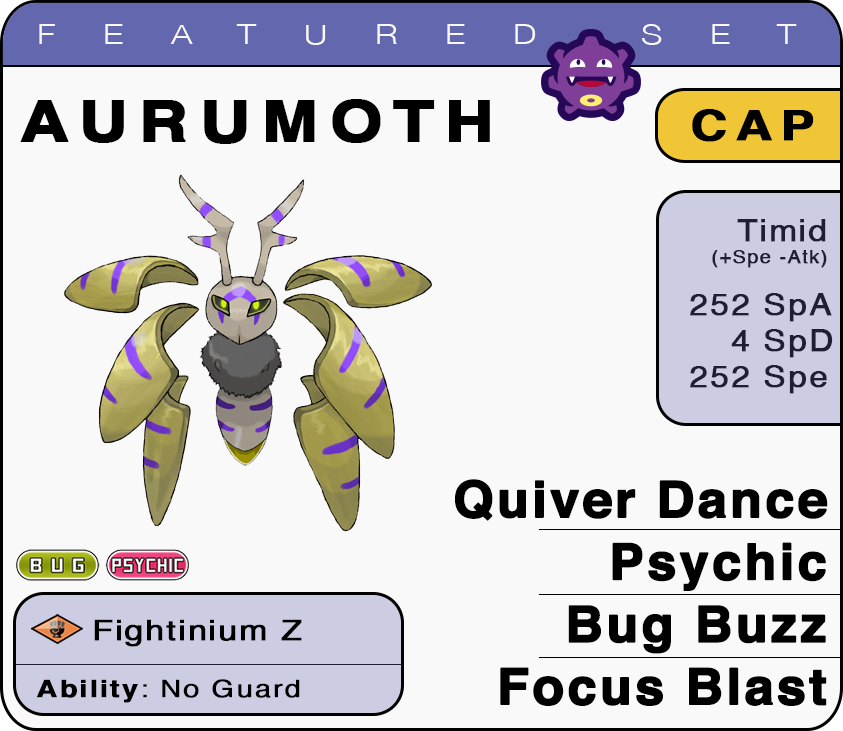
It was Bug/Psychic, the first Psychic-type CAP and a deliberate return to the Bug typing of Syclant. It received three abilities with very different relations to risk: Weak Armor, No Guard, and Illusion. It received 600 total base-stat points, extremely broad offensive coverage, Dragon Dance, Quiver Dance, and enough customizability that the eventual playtest could plausibly reveal several different Pokémon hiding inside one moth.
The final product was not received as an obvious constitutional disaster.

Some participants were excited. Some disliked almost every major decision while directing the criticism toward the community that had voted for them rather than toward the Topic Leader alone. Others considered bugmaniacbob the strongest Topic Leader they had watched. One poster praised the project precisely because a directionless CAP could fall apart before producing anything at all.
bugmaniacbob himself wrote an enormous final account of the project. He described entering the office unexpectedly, discovering that he possessed the power of the project for two months, trying to push CAP into difficult territory, and watching the final creature incorporate choices he would not have made alone. The result, he wrote, was a “masterpiece.”

So the later reform cannot be reported honestly as a community unanimously escaping a leader everyone already recognized as intolerable.
CAP 4 ended with a completed Pokémon, a public vote behind every selected component, genuine admiration for the work, and a Topic Leader who had spent a staggering amount of time keeping the project moving.
Then the Policy Review began.
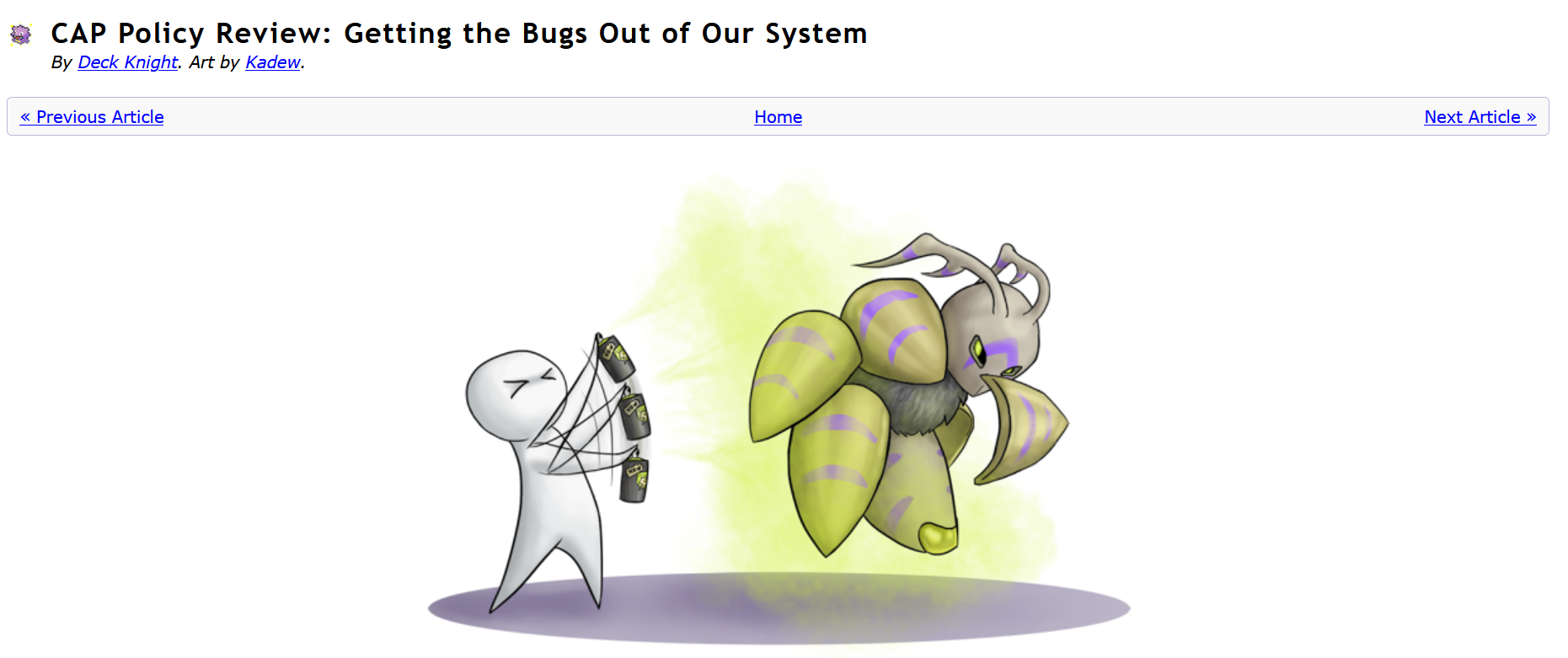
On December 8, 2012, DougJustDoug opened a thread titled Topic Leadership with a blunt assessment: CAP 4 had been terrible from a leadership perspective.
The post is one of the central documents in this history.
It is also not a judgment from outside the event.

Doug was a CAP founder, moderator, participant, and one of the people whose own submission had been excluded from a disputed name slate. He openly discusses that conflict. He says he compared his recollection with other moderators, while declining to name them and inviting them to contradict him. He writes with enough anger that the reader never has to infer how he felt about bugmaniacbob by the end of the project.
This document is evidence from the institutional fight.

It is not the neutral voice of History arriving twelve minutes later with the replay booth.
Doug’s account alleges a progressive change in the use of Topic Leader authority.

At first, the project looked excellent. The Concept discussion received unusually close attention. The first signs of trouble appeared in slates that Doug believed were built to favor particular outcomes. The typing slate heavily favored Bug combinations. Later ability discussions opened with stronger signals about which choices the Topic Leader considered acceptable. Stat submissions were constrained within narrow limits, and the Topic Leader posted a working spread early enough that other contributors could understand the shape of the expected answer.
Then came the flavor stages.

Names and Pokédex entries have no direct competitive effect. They still belonged to the community process. Doug argues that these stages made the ownership problem easier to see because technical necessity could no longer explain the intervention. The dispute eventually became serious enough that moderators stepped into an active project and directed the Topic Leader to change how one slate would be handled.
The exact personal story remains contested.

The institutional facts are easier to establish.
The Topic Leader possessed broad discretion over discussion framing, submission standards, poll construction, and the transition from one stage to the next.
The rules had been written around trusted custom.
Previous leaders were expected to place the community project ahead of their own preferred Pokémon. Those expectations had often remained unwritten because earlier leaders had observed them closely enough that CAP did not know it needed a rule.
CAP 4 found the edge of that arrangement.

Doug’s strongest policy conclusion is therefore broader than his case against one person. He explicitly says he does not think bugmaniacbob acted with malicious intent. He describes him as intelligent and extraordinarily hardworking. The failure, in Doug’s account, arose when one leadership style met an office whose soft limits had never been converted into enforceable boundaries.
A constitution depending on everyone understanding where power should stop has already assigned somebody the job of discovering what happens when they do not.
CAP 4 discovered it with a gold moth.
bugmaniacbob did not write a matching legal defense of every disputed slate.
His later reflections give us something more useful.

A year after Aurumoth, applying to rejoin CAP’s Policy Review Committee, he described the project as widely considered CAP’s “greatest blunder since EVO” and acknowledged that it had helped produce a major reduction in Topic Leader power. He did not call the project a contribution he was especially proud of. He also said he had worked extremely hard to make it function and left readers to reach their own conclusions about the result.
Years later, in a long autobiographical retrospective assembled from old posts, he describes how the office changed his conduct. Being Topic Leader and being looked up to, he suggests, began affecting the initiative he took and the conflicts he entered. The same archive shows that he had a detailed plan for Aurumoth, especially for using later movepool choices to reconcile the many options selected earlier. He wanted versatility and admits that he worked actively to secure it.
This does not dissolve the criticism. It improves the case.
The office did not need a cartoon villain.
It needed a person with a strong vision, an unusual willingness to work, enough public trust to win the role without most established leadership supporting him, and a process that had spent several years teaching Topic Leaders that they were responsible for preventing the project from going wrong.
CAP had built a leader expected to integrate everything.
Then it was surprised when the leader began integrating everything.
The conflict concerned where integration ended and ownership began.
That distinction was real.
The rules could not yet carry it.
Aurumoth’s later competitive post-mortem complicates the leadership narrative again.

Participants did not agree that one Topic Leader was the complete explanation for the creature they produced. Several located the earliest failure in Concept Assessment. “Risk” had never been narrowed into one operational direction, so typing, abilities, statistics, and movepool inherited different definitions. Others blamed the movepool for removing the vulnerabilities earlier choices were meant to preserve. Others blamed particular abilities, the statistical spread, or the accumulation of several individually defensible decisions that worked badly together.
The community could therefore tell at least two histories of CAP 4.
 Aidan Lawson
Both histories can contain truth.
Aurumoth could be competitively interesting and procedurally unhealthy at the same time. The Policy Review did not need to decide whether the moth itself was good. It needed to decide whether the same office should retain enough power to produce the same dispute again.
One participant’s testimony made that question much harder to avoid.
DarkSlay had contributed to CAP before Aurumoth.
In the Topic Leadership thread, he described seeing the project change and deciding not to enter some arguments because of the Topic Leader’s actual or perceived power. The stat limits, in his account, closed off creative and balanced submissions. Producing a serious stat spread required time. Why spend that time when the acceptable range already appeared settled?
The question governing participation changed.
“Would this even get slated? Would the TL like it?”
That is more important than any single poll result.
A slate is the set of choices that reaches the public vote.

This is why the repeated defense that every final component received a public vote could not settle CAP’s dispute.
The vote began after the office had framed the discussion, set some submission boundaries, interpreted which arguments represented serious community support, and decided which proposals could become ballot options.
The poll remained real. So did the power exercised before it.
This is common in mature institutions and difficult to see because the visible decision happens late.
Nobody has to prohibit every excluded possibility.
The field learns the gate. Then it arrives shaped for passage.

CAP 4 made that structure visible because the gatekeeper was one identifiable Topic Leader and the object at stake was a Bug/Psychic Pokémon with three abilities.
Most institutions are less considerate.

That sentence is true.
That sentence is also true. The existence of the first does not cancel the second.
CAP’s problem was no longer whether the community should vote or whether the Topic Leader should lead. The project had already learned why it needed both.
The problem was how the office that translated discussion into votable choices could remain strong enough to integrate the project without teaching participants that the leader’s preference was the real constitution.
The community now had to redesign the office while the reason for having the office remained intact.
This is where the king appears.
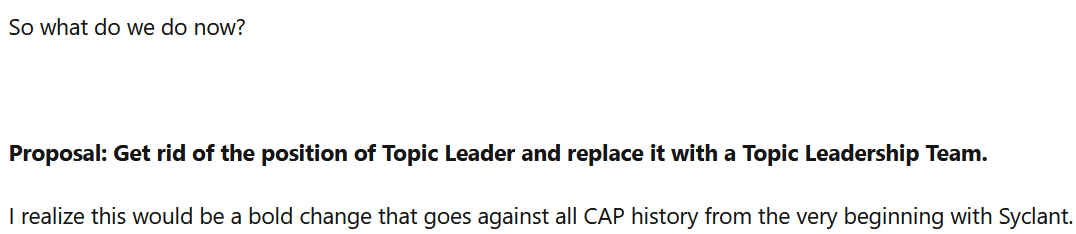
The first proposal was to abolish the Topic Leader.
DougJustDoug had spent the opening of the 2012 Policy Review arguing that CAP 4 exposed a structural problem in the office itself. One person had accumulated responsibility for the Concept, the discussions, the slates, the pace, the final product, the public image of the project, and the prevention of every possible bad outcome.
Doug reviewed the careers of previous Topic Leaders and noticed an ugly pattern: some of CAP’s strongest contributors reached the office, completed a project, and then reduced their participation or disappeared. CAP treated Topic Leadership as its highest distinction and attached enough labor to the distinction that receiving it could end the contributor’s active life in the institution.
So split the job.
The project would gain specialist judgment, distribute the labor, and create more opportunities for people to acquire leadership experience.
This was sensible. It also risked recreating the exact problem the Strong Topic Leader had been built to solve.
The objections appeared immediately.
The Typing Leader might preserve one interpretation of the Concept. The Ability Leader could prefer another. The Stats Leader might build a defensive Pokémon. The Movepool Leader could arrive weeks later and give it the tools of an attacker. Each specialist would be locally qualified. Each could produce a serious slate. The final body might still become a constitutional corpse assembled from excellent departments.
This was the return of Frankenstein.

Mdevil argued that multiple leaders would bring multiple biases and could leave the creature broad, unfocused, and publicly divided. New participants, in particular, benefited from knowing who was leading. Discord among several visible authorities could create uncertainty about which direction still counted.
Other participants worried about factions. A Topic Leadership Team might cooperate beautifully. It might also become a coalition market.
One specialist gets the ability they want. Another gets the movepool. A third stops objecting to the typing. Everybody can honestly say the community voted, and the Pokémon can emerge as a treaty among offices whose concessions make no competitive sense together.
The moderator layer did not automatically solve this either.
CAP 4 had already shown how difficult intervention could become during a live project. Discussions moved quickly. Problems developed across several days. Moderators had to compare accounts, decide whether an unusual choice represented legitimate Topic Leader discretion, and act without turning the creation thread into an open power struggle. By the time the deeper pattern became clear, much of the Pokémon already existed.
The reform therefore had to preserve a visible integrator.
The community had spent years learning that one.
The question became whether CAP could keep the Topic Leader while removing the office’s monopoly over the route into public choice.
On the night of December 8 and the early morning of December 9, several CAP participants moved the argument into the project’s IRC channel. The conversation was later posted back to the Policy Review forum.
This is an important detail about how the institution actually worked.
CAP was never only the forum.
During the discussion, Deck Knight proposed sectional leaders under a directing leader. The specialists would carry different parts of the project. One person would remain responsible for the Concept across all of them.
Birkal recognized the shape immediately.
The group began working through what that could mean in practice.
This is where the proposed constitution became specific enough to matter.
Doug described the arrangement as an “executive-legislative check and balance.”
We should not press that analogy too hard.
The Stats Leader is not Congress.
The Ability Leader does not represent Johto.
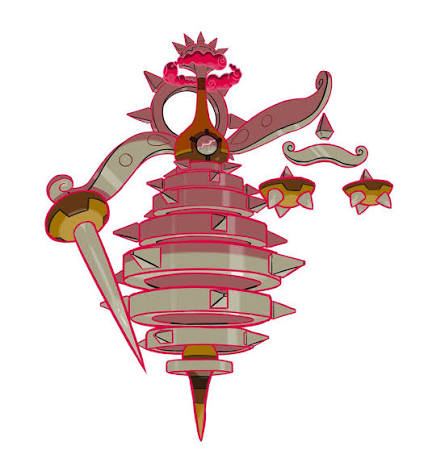
The useful part is that CAP was distinguishing powers that the Strong Topic Leader had carried together.
That is a constitution.
That is also how you decide whether to permit Shell Smash.
The most important transfer was slating.

The Topic Leader could influence every discussion through opening language and active participation. Those powers remained significant. The decisive gate, however, would now be held by someone selected for the relevant stage.
This changed the relation between expertise and authority.
This also gave prospective leaders a path between ordinary participation and the highest office.
 Aidan Lawson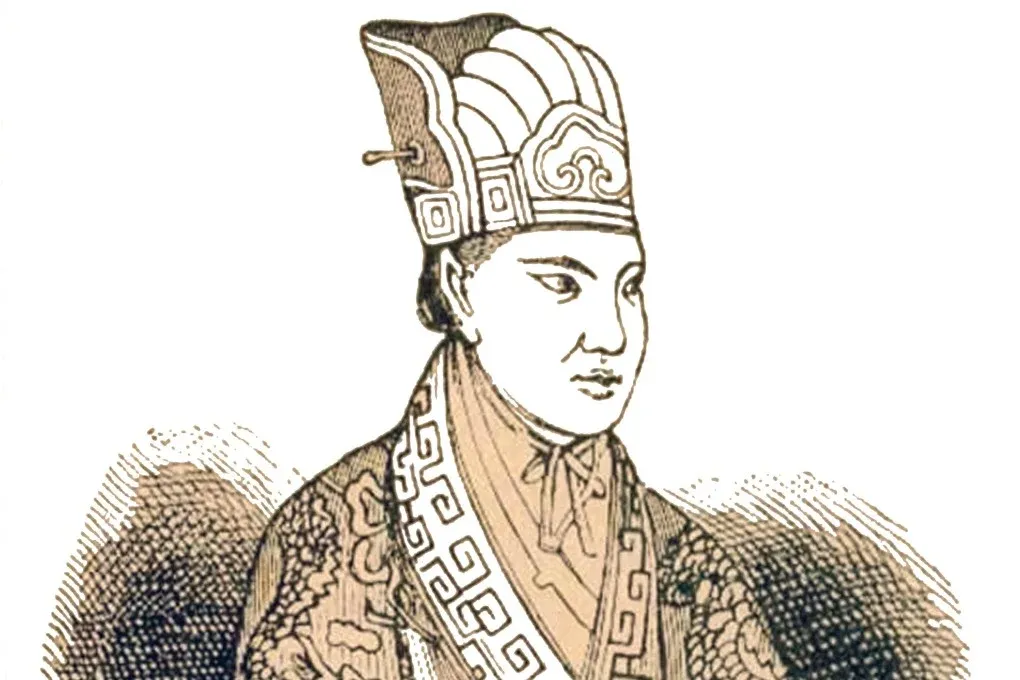
A contributor no longer had to prove mastery of every competitive stage before receiving any meaningful leadership responsibility. They could lead the domain in which they already possessed contact, learn how slating changed discussion, work inside a larger project, and become a plausible Topic Leader later.
The reform therefore distributed present authority and created future leadership capacity at the same time.
That feature will matter enormously when a Topic Leader eventually has to leave mid-project.

CAP did not know that yet.
It was still trying to get through the next Pokémon.
The Topic Leader’s veto preserved the Concept across specialist stages.
It also risked restoring the old system through another door.
Participants noticed this.

Some proposed a supermajority override by the Topic Leadership Team. Others preferred moderator review. Some worried that the team and Topic Leader could form factions. Others thought the need to persuade several independent people already made a one-person capture much harder than it had been under CAP 4.
The version moving toward implementation kept the veto narrow.
This is a much better instrument than an unlimited right answer.
That distinction is easy to describe in a rule and difficult to preserve in practice. The Topic Leader still possessed prestige, public influence, and the authority to define how the Concept applied. A specialist asked to revise a slate would know who had rejected it. The relation could become coercive even without a formal power to substitute.

The system therefore depended on behavior, documentation, moderator judgment, and the willingness of several people to keep disagreement inside the project rather than converting it into a loyalty test.
CAP had not engineered conflict out of existence; it had given conflict a route.
The final escalation path belonged to moderators.
This was contested for good reason.

Moderators were not elected for each creation project. Their forum authority did not automatically make them infallible interpreters of a competitive Concept. One participant objected that a community-selected office should not become subordinate to people whose final authority came from platform position rather than the current project’s vote.
Then the same participant reconsidered.
This locates the deeper problem. The temporary constitution of one CAP project sits inside a more durable CAP institution.
That layer carries process memory, enforces boundaries, opens Policy Review, resolves deadlock, and decides who qualifies for some later leadership elections.
We will return to it.
For now, the significant achievement is that the moderator does not ordinarily become the Topic Leader either.

CAP’s durable authority provides a floor under the temporary offices without formally absorbing their everyday functions.
The kingdom remains. The crown moves.
The Topic Leader survived the reform for another reason that had nothing to do with administrative efficiency.
People wanted to become Topic Leader.
This office had become one of CAP’s central forms of recognition. An ordinary contributor could build knowledge, argue well, gain the community’s trust, and eventually receive responsibility for an entire creation. This was part of CAP’s identity as a project in which a person without broader Smogon status could rise through the work itself.
During the IRC discussion, Doug described the old attraction as allowing somebody to become “king for a project” and then pass the torch.
This is a strange and useful model of prestige.

The office confers real distinction. The distinction does not have to become tenure.
A previous Topic Leader remains part of CAP history. Their Pokémon remains playable. Their judgment can carry weight in later discussions. They can apply again, join Policy Review, become a moderator, or lead a specialist stage.
The next project still begins with another selection.
CAP had argued about that since 2008. The incumbent could not simply choose the next incumbent because the project had grown beyond personal delegation. The 2012 reform carried the same principle into the office itself.
The leader’s authority belonged to a bounded object.
The mandate ended when the project ended.
A leader might deserve another mandate.

The previous mandate could not supply it automatically.
The easiest summary of the 2012 reform would be that CAP democratized Topic Leadership.
That loses too much.

The community preserved an unusually powerful coordinating office. It did so after watching that office become powerful enough to reshape participation.
The participants were not confused about the danger. They also remembered the weak-leadership projects. They remembered drift. They remembered incompatible stages. They remembered how much work a clear Concept still required from a person capable of carrying it.
So they kept the king.

This did not prove the new system worked. It produced a system that could be tested.
That test would be a Grass/Dark apple snake named Malaconda.
CAP did not debate the Topic Leader plus Topic Leadership Team system in the abstract for very long.
There was another Pokémon to make.

CAP 5 began under the new arrangement in early 2013. jas61292 became Topic Leader. The specialist team included leaders for typing, abilities, statistics, and movepool. Their Concept was Type Equalizer: create a Pokémon whose presence would increase the use of one or more underused types while reducing the use of one or more overused types.
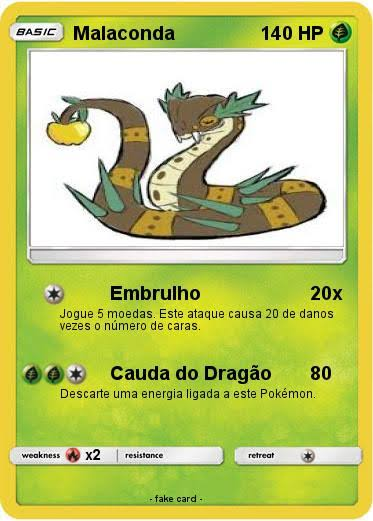
The final result was Malaconda.

Malaconda is a Grass/Dark snake with an apple growing from the end of its tail and what appears to be an enormous leaf cape.
The constitution’s first field test was conducted on an evil orchard.
 Aidan Lawson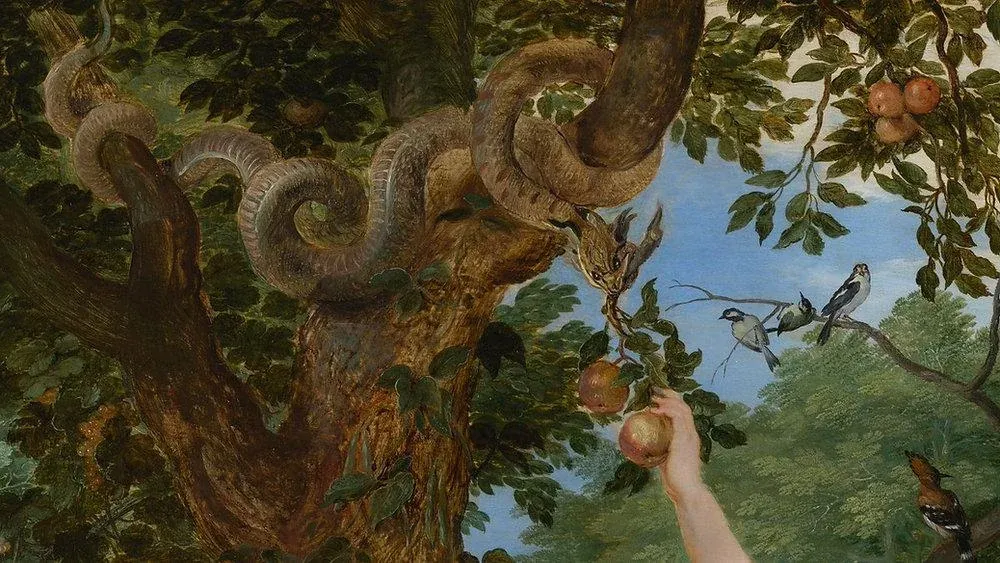
This is as good a test object as any.
The new leadership arrangement was visible throughout the project.

The specialist for each competitive stage led the relevant discussion and prepared the choices that would reach polling. jas61292 continued to carry the Concept across the whole sequence. The division was not cosmetic. Different people opened the technical threads, summarized the field, managed submissions, and drew the local lines.
The process still needed cooperation between offices.
The attacking-moves discussion, for example, treated the Movepool Leader and Topic Leader together as the people responsible for deciding when the public discussion had established enough support to categorize a move as required, allowed, disallowed, controversial, pending, or still in need of discussion. The thread’s rules made clear that a few dissenting posts did not automatically turn an option into a live ballot question. Somebody still had to decide what the discussion had become.
This is exactly the authority CAP had been trying to redistribute.

Nothing about the new constitution made the decisions self-executing. It gave the work several carriers.
Malaconda moved through them without producing the civil war some participants had feared.

The final product thread credits the Concept Assessment with giving the project a clearer direction than several recent CAPs. jas61292 says the new structure was imperfect and frames the whole project as an attempt to demonstrate what the model could do for the leaders who followed.
The public reaction was broadly positive.

Participants praised the specialist team, described the project as focused, and looked forward to finding out whether the snake actually accomplished anything in competitive play. Several were careful to separate enjoyment of the process from confidence in the product. Malaconda might still fail its Concept.
The governance test had already supplied evidence of its own.
A month later, Birkal opened the CAP 5 Policy Review Committee Reflection.
The premise was direct.
CAP had now completed one full creation under the reforms adopted after Aurumoth. The community should go through those reforms, determine how they behaved in practice, and identify what needed adjustment before the new arrangement hardened into custom.
Birkal explicitly warned against turning the thread into self-congratulation.
The job was to “tweak and adjust” the process.
Bughouse nevertheless gave Topic Leadership a compact verdict:
“A resounding success.”

Other participants used similarly enthusiastic language.
The specialist leaders had handled their stages responsibly. The Topic Leader had kept the project coherent. The creation had moved more smoothly than several predecessors. The new offices had given more people meaningful responsibility without producing the expected fragmentation.
Then the people who had actually served in the system started listing the parts nobody had defined.
This is what a useful postmortem looks like.
The headline can be success. The article beneath it begins with the failure modes discovered inside.
jas61292’s first concern was legibility.

During stages led by a specialist, some participants appeared to treat the Topic Leader as another ordinary poster. That made sense from one angle. The specialist was opening the thread and carrying the immediate decision. The entire reform had been designed to stop one Topic Leader from dominating every stage.
The Topic Leader still had to preserve the Concept across those stages.
If the community stopped recognizing that role whenever another person held the thread, CAP could lose the integrator while formally retaining the office.
This is a subtle implementation problem.

A constitution can distribute authority correctly on paper and communicate the distribution badly enough that participants recreate a different constitution through practice.
The office needed to become less powerful and remain recognizable at the same time. That balance could not be produced by the title alone.
Participants had to learn the new relation.
The reform therefore required culture as well as rules.
The more serious problem appeared in stages that did not produce a conventional slate.

The 2012 reform had clearly described the relation around specialist slates.
Several CAP stages worked differently.
These decisions all acted upstream of the slates. Again.
CAP had moved slating power out of the Topic Leader and immediately found another layer where the Topic Leader’s relationship to the decision had never been specified.
During CAP 5, the leadership team handled those ambiguities cooperatively. That was encouraging.
It was not a rule.
jas61292 opened a dedicated Policy Review in June 2013 and listed the Topic Leader’s powers across every competitive stage. Some lines had clear instruments: slating, deciding consensus, or the established +1/-1/veto system.
Stat Limits: ???
Attacking Moves: ???
Non-Attacking Moves: ???
Movepool Limits: ???
This is one of the most honest constitutional documents in the CAP archive.
The institution had successfully operated a power it could not yet describe.
The Policy Review preserves an IRC exchange from early in the Malaconda project.
Someone jokes that all CAP Pokémon receive Quiver Dance.
jas61292 answers:
“No. Never again. Not on my watch.”
Aurumoth had Quiver Dance.
Malaconda would not.
Then the joke becomes the constitutional question.
What power did the Topic Leader actually possess over allowed and disallowed moves when the stage was being led by a Movepool specialist and the decision was not technically a slate?
The group begins working through possible instruments.
Whatever the answer, the office needed a bounded operation rather than a general permission to do what seemed necessary.
The Quiver Dance exchange is funny because it is about Quiver Dance.

It is useful because emergency memory is one of the easiest ways for authority to expand.
 Aidan Lawson
CAP resisted that move by asking for the mechanism in advance.
These are tiny questions.

The boundary lives inside tiny questions.
DougJustDoug’s later contribution to the CAP 5 reflection gives the reform its hardest test.
Each specialist had brought enough personality and energy to make the stage useful without trying to make that stage the most memorable part of the entire project. Nobody phoned the job in. Nobody used their jurisdiction to outperform the other offices. Nobody treated local leadership as a personal showcase.
This was excellent. This was also familiar.
Before Aurumoth, CAP had relied on Topic Leaders understanding the unwritten limits of a trusted office.
After Malaconda, it could not respond to success by relying on every future specialist to understand another set of unwritten limits.
Doug did not demand a rule for every possible personality failure. Some of the balance would remain cultural. CAP would have to celebrate leaders who carried their stage without making the stage about themselves and correct leaders who did not.
The significant change was that the institution now knew where to look.
The risk no longer sat entirely inside one Topic Leader. It could appear in a specialist overreaching, a Topic Leader disappearing from view, an undefined non-slating power, a moderator intervention, or a handoff between stages.
The reform had not removed leadership risk.
It had decomposed it.
CAP accepted the trade.
Malaconda did not prove that the Topic Leader plus Topic Leadership Team model would work forever.
It established several narrower facts.
The new constitution had moved from argument into operation.
Operation generated questions the argument had missed.
The institution returned to those questions before CAP 6.
It asked what happened when the reform had to make an apple snake.
The answer was good enough to continue.
It was also incomplete enough to revise.
And the answer carried another cost that would become harder to ignore as the process grew more sophisticated.
By 2014, Create-A-Pokémon had solved enough of the one-leader problem to produce a spreadsheet problem.
This was progress.
The Topic Leader no longer controlled every major competitive stage. Typing, abilities, statistics, and movepool had been distributed across specialist leaders. Malaconda had survived the first full run of the new Topic Leader plus Topic Leadership Team system. CAP had reviewed the result, found some undefined jurisdictions, and continued.
The project was now more plural. It was also taking a while.

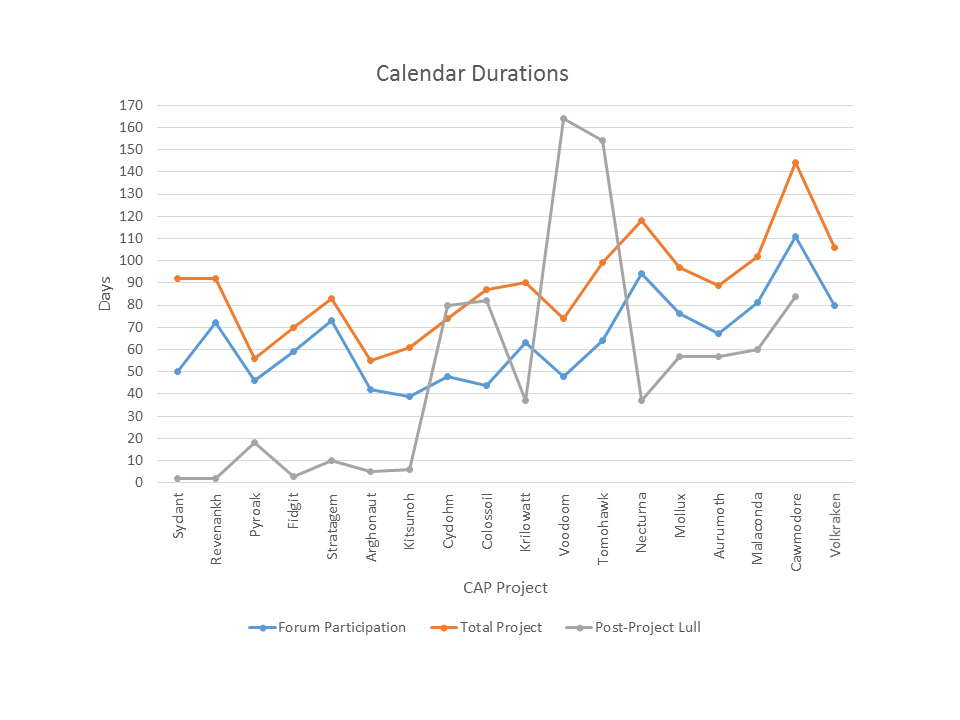
On June 28, 2014, DougJustDoug opened a Policy Review thread called Project Pace and Timeboxing. He had the feeling that CAP was moving too slowly. Rather than leave that feeling in its natural internet form, he collected dates for every completed creation project from Syclant through Volkraken, built a spreadsheet, measured public participation periods, measured total project periods, measured the dead time between projects, and posted the tables to Smogon.
The constitutional convention had entered Excel.
Doug’s initial complaint was blunt. CAP had reached a point where producing two Pokémon in one year felt normal. Earlier generations had moved faster. He could see the difference. He could not yet tell whether the difference came from longer discussions, more stages, slower handoffs, larger gaps between projects, or nostalgia for a period in which everyone had fewer rules and worse judgment.
So he measured it.
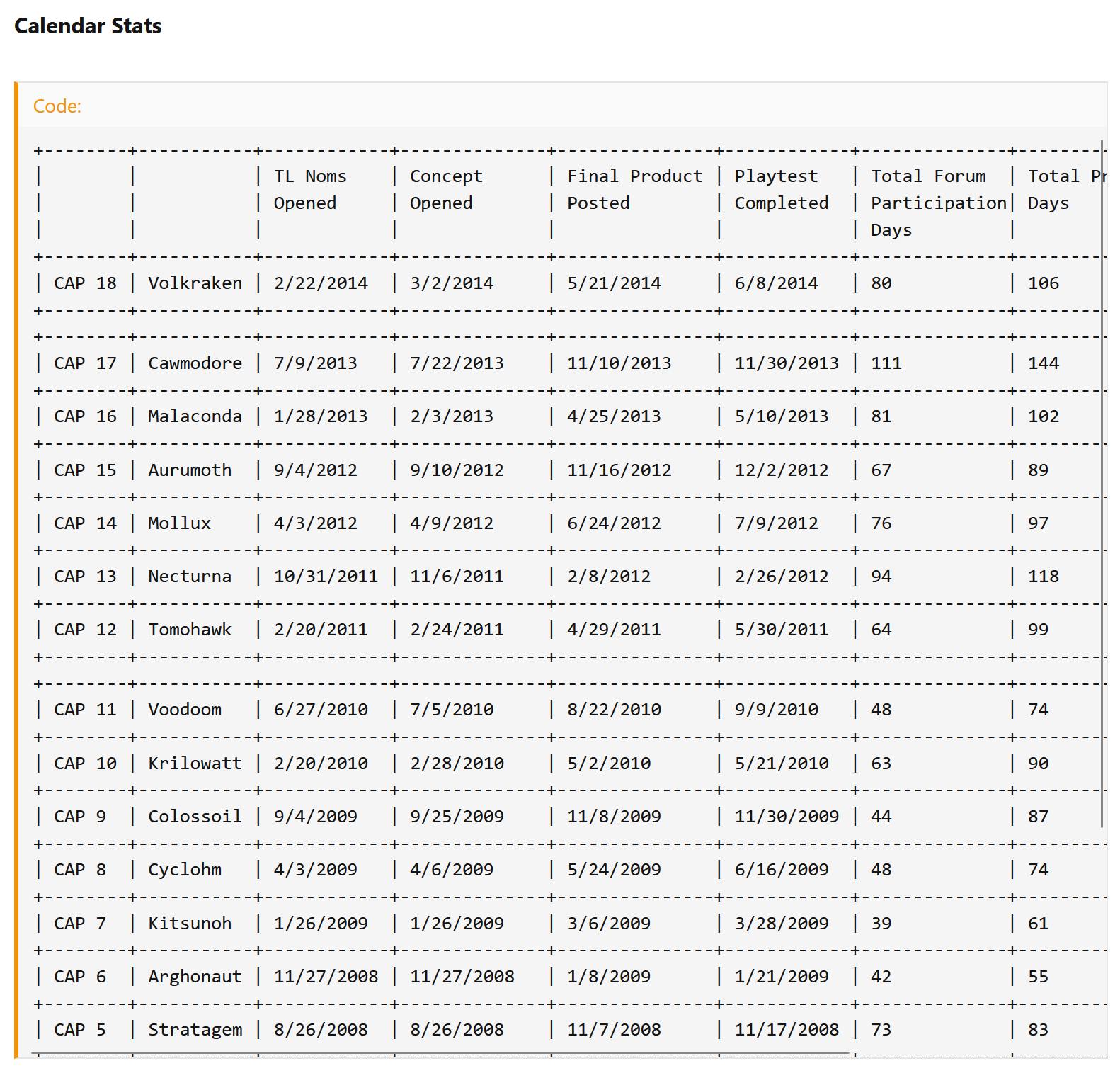
The table did not produce one clean story.
Syclant, the first project, used fifty days of public forum participation and ninety-two days from opening to the end of playtesting. Revenankh used seventy-two public days and the same ninety-two total days. Several later Diamond and Pearl creations moved faster: Kitsunoh used thirty-nine public days and sixty-one total days; Arghonaut used forty-two and fifty-five.
The newer projects were longer again.

The post-project lulls varied even more. Five days here. Sixty there. Eighty-four after Cawmodore. One hundred sixty-four after Voodoom.
There was no single “CAP got slow” number.
There was an expanding institution with several different clocks.
Doug proposed a goal.
CAP should try to make four Pokémon per year.
One per quarter.
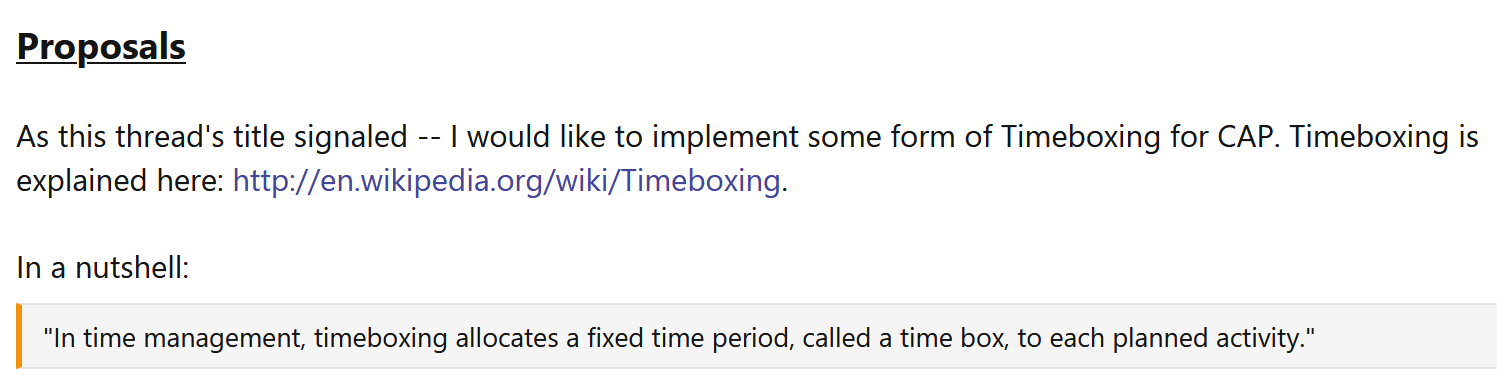
He knew the number was somewhat arbitrary. The point was to establish a planning target large enough to require visible expectations. Topic Leader and Topic Leadership Team selection would take a known amount of time. Competitive stages would receive approximate durations. Polls already operated on clocks; discussions could too. The four major competitive sections—typing, abilities, statistics, and movepool—might be given roughly equivalent space in the schedule.
The comparison Doug used was a corporation.

Hundreds of people participated in a recurring project that produced a recognizable product.
Corporations plan product cycles.
CAP could plan a product cycle.

This sounds reasonable until the product is a Pokémon and one department is Movepool.

Typing can sometimes close quickly. The project needs to decide whether the creature is Electric/Fighting or Water/Ghost or whatever other mistake has acquired support.
Abilities often require at least two linked decisions. Statistics involve broad limits, complete submissions, technical evaluation, revision, and a poll.
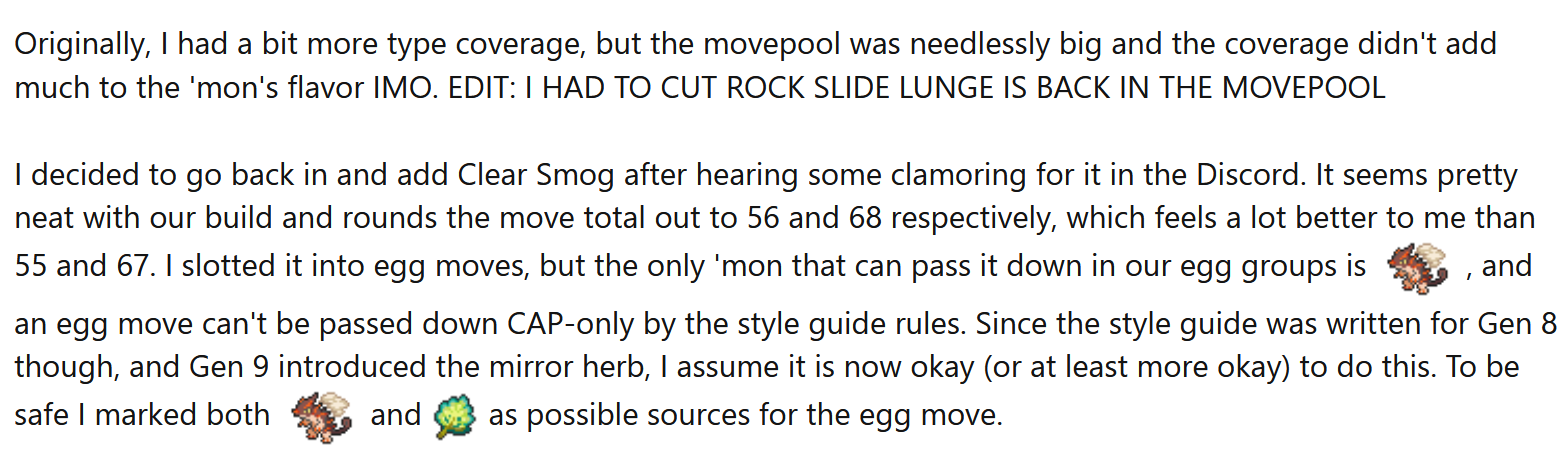
A movepool requires participants to determine which attacks and support moves the Pokémon should be able to learn, which combinations would invalidate intended weaknesses, which official move-distribution patterns matter for flavor, and whether a complete submission obeys every limit accumulated across the preceding threads.
A serious movepool submission can be thousands of words long.
These stages all matter. They do not contain equal labor because the leadership chart gives them equal boxes.
bugmaniacbob attacked the proposed symmetry directly. Typing would generally remain shorter. Abilities and statistics contained multiple internal phases. Movepool took far longer to construct than an ability argument or one statistical spread. Making those sections occupy equal time would either leave some of them sitting open after the work had ended or force others to close before the work was complete.
The project had distributed authority according to domain.
The calendar was trying to flatten the domains back into equivalence.
 Aidan Lawson
This is a recurring administrative temptation.
If four offices appear at the same level of an organization chart, give them four equal blocks.
The chart becomes clean. The work does not.
The strongest objection concerned the purpose of CAP itself.
Create-A-Pokémon does produce Pokémon.
Its process documents also describe the project as an investigation of competitive Pokémon through public discussion and playtesting. These arguments are not waste surrounding the creature. They are part of the thing the project exists to do.
That makes a discussion harder to schedule than a poll.
A fixed week can waste four days after consensus has formed. A fixed three days can close the thread several hours before the useful disagreement arrives.
bugmaniacbob described exactly this problem. New topics could emerge late enough that nobody responsible for the schedule could know in advance how much time the discussion required. The thread should close after it had fulfilled its purpose. Timeboxing risked making the leader responsible for serving both the inquiry and the calendar when the two no longer aligned.
Then geography entered.

Most visible forum activity occurred around American time zones. bugmaniacbob lived several hours ahead. He could post, go to sleep before replies arrived, return a day later, and discover that the conversation had already moved past the point where his reply belonged. A forty-eight-hour discussion did not give every participant forty-eight equivalent hours. For some people it gave two chances to speak, separated by an entire turn of the field.

A compressed process rewards people who are awake near the center of activity, available throughout the day, confident enough to post before reading everything, and able to revise quickly when replies arrive.
That may be acceptable in a speed-critical field.
CAP was not trying to launch a missile.

It was trying to learn something about Pokémon.
The institution therefore had to decide which loss mattered more:
No schedule solves that question by existing.
The timeboxing debate gradually separated two kinds of delay.
Policy Review threads waited for someone to declare that the discussion had reached a conclusion. Other threads remained locked until the appropriate person was online. Participants could see that nothing useful was happening and still lack the authority to make the next useful thing happen.
This was a different problem.

Cutting discussion time would not repair it.
Bughouse proposed several less dramatic changes. Do not lock threads unless there is a reason. Coordinate leaders’ schedules before one stage ends. Prepare the reasoning for a slate before the thread closes. Make sure the next person knows the handoff is coming. Avoid inserting days of administrative silence between two decisions whose substantive work is already complete.
The project did not need every debate to happen faster.
It needed finished work to become the next work.
This is where distributed leadership reveals its invoice.
Each boundary protects something.
Each boundary can also become a day in which everybody waits for one corporeal being behind a computer screen.
CAP had reduced the danger that one person could turn an entire project into their preferred Pokémon.
It had increased the number of moments at which one absent person could stop the project from becoming any Pokémon at all.
This was not an argument for restoring the Strong Topic Leader.
It was the cost of the repair becoming legible.
The pace thread also returned to burnout.
The Topic Leadership Team had distributed the workload.
The workload remained large.

jas61292, who had led Malaconda under the new structure, described the experience as excellent and something he never wanted to do again. Another former specialist said the role had consumed most of their free time while still leaving them feeling behind. Accelerating the project would shorten the calendar by increasing pressure on the people already carrying the transitions.
A process can look slow from the queue and frantic from inside the office.
Neither perception is false.
The institution has to carry both.

Volunteer governance makes this especially visible. CAP can define an office. It cannot purchase the officeholder’s evening. It can require activity. It cannot eliminate illness, employment, exams, family, sleep, or the possibility that somebody has had enough of determining whether Shed Skin deserves another poll.
The role remains attached to a body.

That was the succession problem in 2008. It was now the pace problem too.
The Policy Review did not adopt Doug’s timeboxing proposal.
This is worth preserving exactly because the thread contained careful work, extensive data, and no large formal reform at the end.
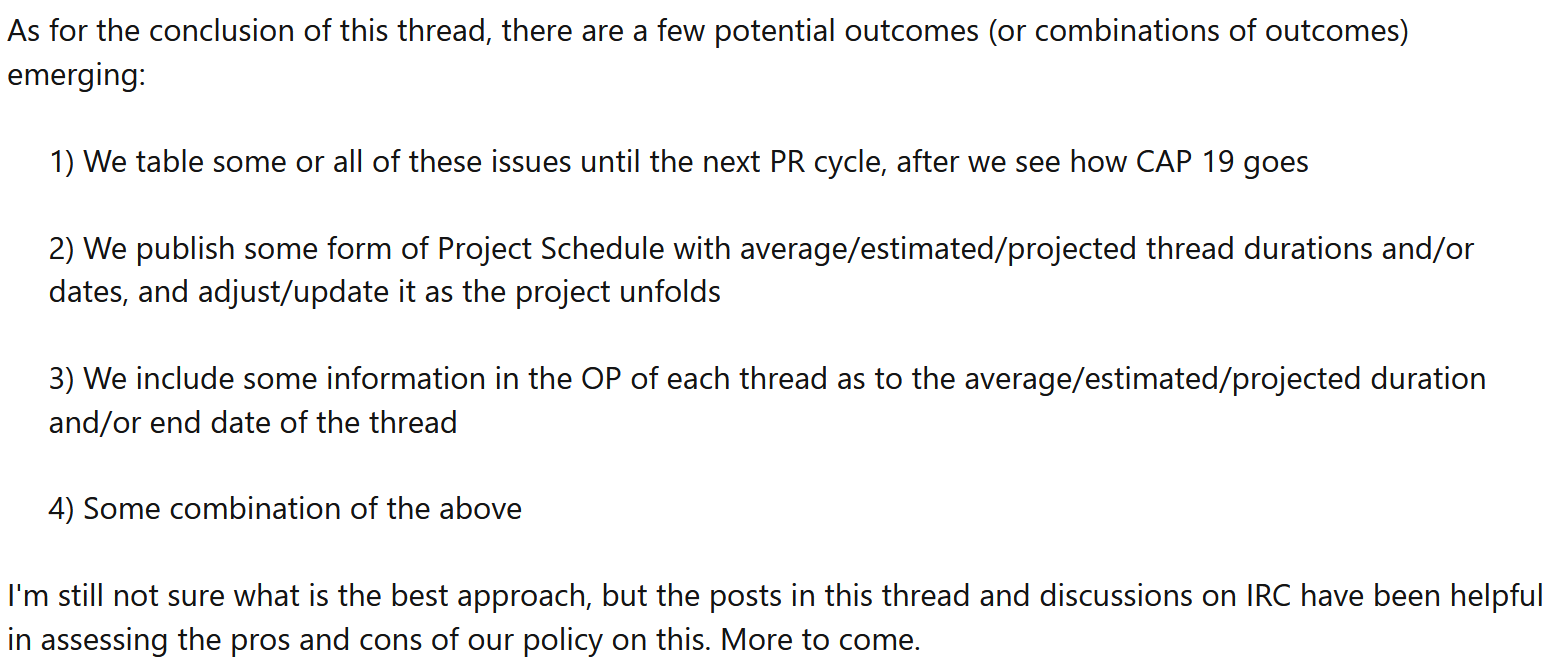
The participants gradually converged on a narrower use for the measurements.
A typical duration could inform judgment. It should not become a deadline pretending to be judgment.
The distinction became almost microscopic.
The forum and IRC discussions repeatedly returned to that line. People could support clearer expectations, better warnings, and tidier thread conclusions while rejecting a system in which a live discussion acquired a presumptive expiration date before anyone knew what the discussion would discover.

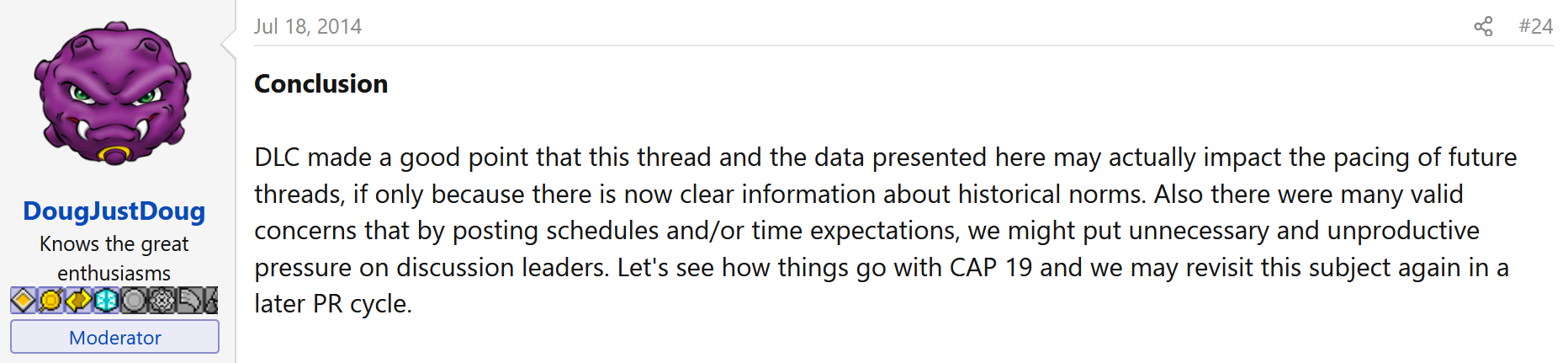
On July 18, Doug closed the thread without implementing a schedule. The timing data itself might change future behavior by making historical norms visible. Posting formal expectations could also create unproductive pressure on discussion leaders. CAP would proceed into CAP 19 and revisit the issue later if needed.
The spreadsheet remained. The deadline did not.
That is still an institutional outcome.
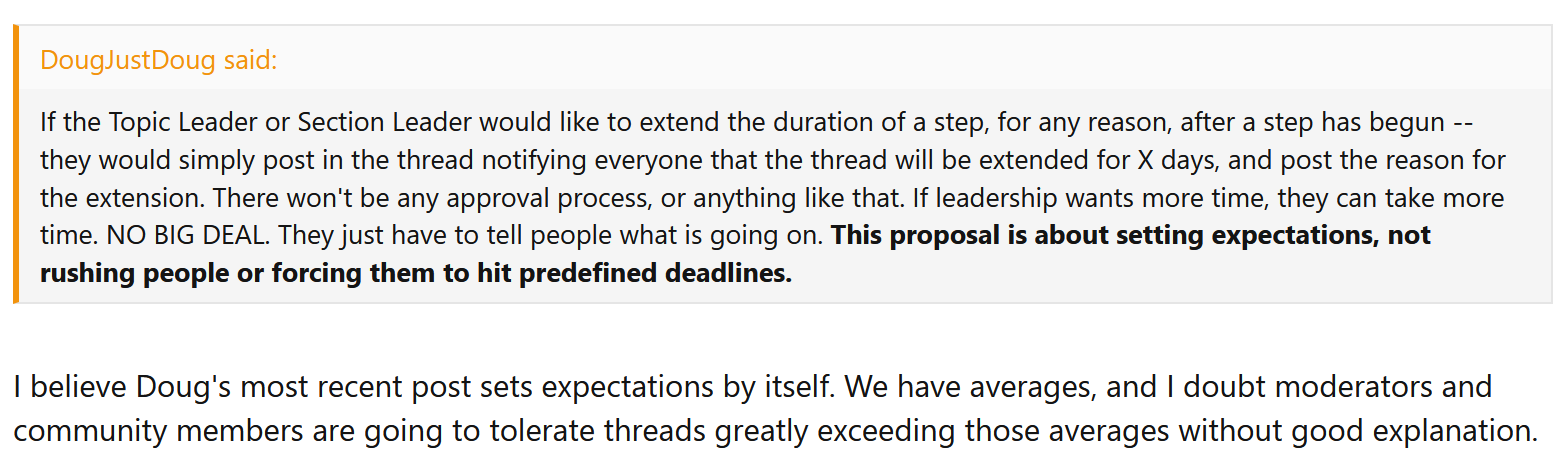
A review can improve the field without producing a new rule. Participants learned to distinguish substantive duration from transition latency. They named the handoff problem. They identified time-zone asymmetry. They made leadership burnout part of the record. They acquired a baseline against which later projects could be judged.
The constitution did not change text.
The people operating it had another instrument.

This is less satisfying than reform, and often how institutions actually learn.
The Topic Leader plus Topic Leadership Team system survived.
CAP had reduced concentrated slating power, brought specialists closer to the decisions they understood, created more leadership positions, and made it possible for several people to acquire operating contact during one project.
The pace debate exposed what came with that achievement.
Every handoff became an institutional event. Every stage needed somebody capable of recognizing when discussion had matured, somebody capable of converting that maturity into a slate, somebody capable of opening the next path, and enough shared memory that the next office did not restart the project from its own preferred beginning.
That would matter in 2016, when the problem stopped being a delayed thread.
The Topic Leader left in the middle of an active creation.
CAP had to find out whether the interfaces carried enough of the project to keep going.

The Pokémon was called Kerfluffle.
In July 2016, Create-A-Pokémon’s succession system stopped being a policy discussion.
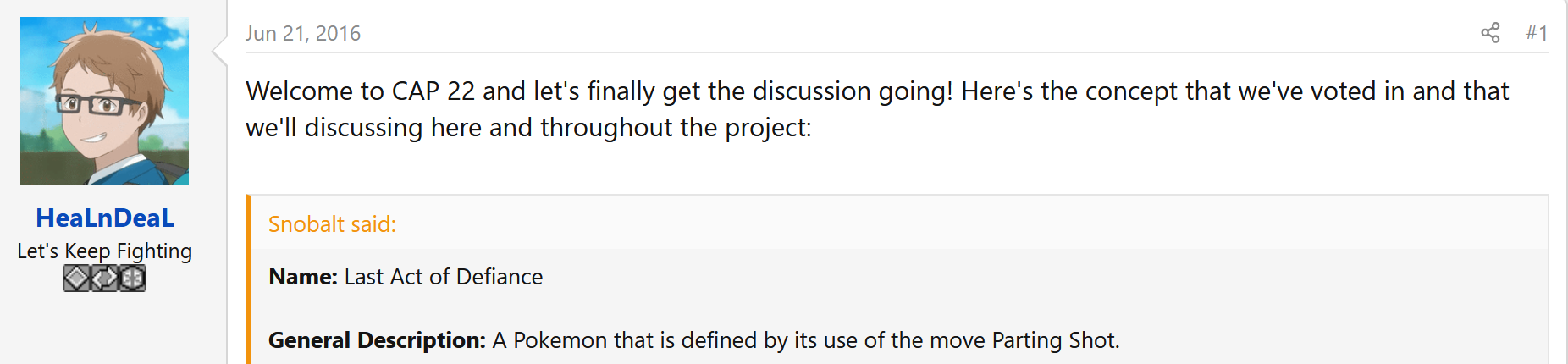
The community had selected a concept called Last Act of Defiance, centered on the move Parting Shot. Parting Shot lowers the opposing Pokémon’s physical and special offensive power, then removes its user from battle and brings in a teammate. It is a retreat that changes the field before the replacement arrives.
The move was interesting enough to deserve a project and poorly represented enough in ordinary competitive play that CAP could plausibly learn something by designing a better user for it.
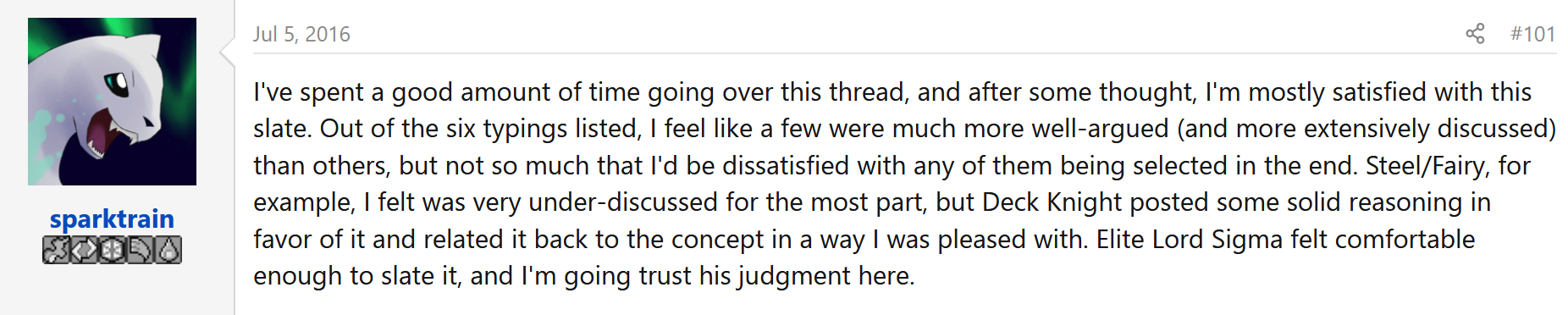
The chosen Topic Leader was sparktrain.

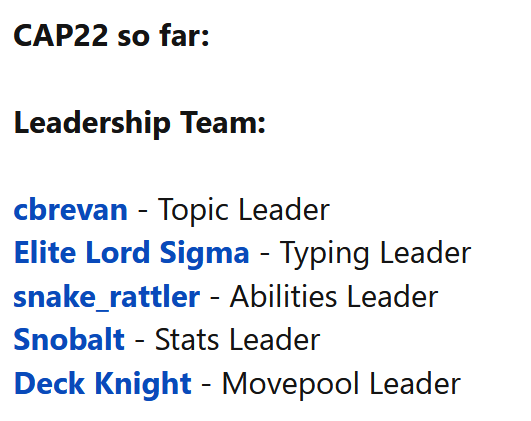
The Topic Leadership Team consisted of Elite Lord Sigma for typing, snake_rattler for abilities, Deck Knight for statistics, and cbrevan for movepool.

The project moved through Concept Assessment under sparktrain’s direction. CAP decided to emphasize a relatively fast Parting Shot user capable of creating enough offensive pressure that opponents would sometimes switch before the move was even used. Typing followed. The community selected Fairy/Fighting.

By July 6, the art-submission thread could list a concept, a strategic direction, a typing, and the full five-person leadership team.
Two days later, the list changed.
On July 8, DougJustDoug opened a short announcement.

sparktrain was stepping down because of real-life commitments and priorities.
The change was effective immediately.

Doug did not pretend this was ideal. A leadership transfer in the middle of a project creates risk. He also stated that CAP had encountered mid-project changes before and would continue with CAP 22.
The moderation team asked cbrevan to become Topic Leader for the remainder of the project.
That decision deserves exact attention.

cbrevan had been elected to the Topic Leadership Team less than a month earlier.
In fact, cbrevan had finished first in the preferential vote selecting the four specialist leaders. The public process had placed him inside the project with the strongest result in that field, though it had placed him there as a specialist rather than Topic Leader.
He had also been serving as Movepool Leader and was already active in the CAP metagame, its analysis work, its Pokémon Showdown room, and the discussions through which CAP 22 had begun.
The moderation team therefore did not discover a successor after the vacancy.
The project already contained one.

This is not the same thing as saying the succession followed the ordinary democratic procedure. It did not.
The community had elected sparktrain as Topic Leader. Moderators appointed cbrevan after the office became vacant.
The legitimacy changed shape because the field had changed speed.

CAP needed someone capable of acting immediately, and the person selected already carried public support, specialist office, metagame knowledge, and direct contact with the project.
The emergency path borrowed legitimacy from the ordinary path while refusing to repeat the ordinary path in full.
That is what emergency succession procedures often do.

The question is whether the shortcut preserves enough of the institution to justify the authority it grants.
CAP 22 was about to find out through a very large pillow.

Promoting cbrevan did not fill the vacancy. It moved the vacancy.
The transition was therefore not one replacement.
This was a small institutional cascade.
Snobalt had finished fifth in the original Topic Leadership Team poll, immediately behind the four selected specialists.
The leadership announcement does not say that this result mechanically entitled him to the vacancy. The sequence still matters. CAP had conducted a public selection process broad enough to identify more qualified people than the initial project could appoint. When an office opened, the institution did not have to invent a new pool.
The losing candidate was still standing near the work.
That is a healthier meaning of losing than most elections provide.
An unsuccessful application had not removed Snobalt from the institution, declared him unfit forever, or converted the winner’s temporary advantage into permanent title. It had located him inside a visible order of support and competence from which later responsibility remained reachable.
This is one of the quiet advantages of recurring temporary office. Every application cycle produces more information than the immediate vacancy can use. Candidates explain their experience. The community evaluates them. People who do not receive office remain available for later projects, specialist work, emergency replacement, or another election.
Succession capacity accumulates in the people who almost won too.
The most important sentence in the transfer announcement concerned continuity.

cbrevan would bring his own approach and perspective to the remaining stages. He also agreed to preserve the decisions and directions CAP 22 had already established.
That is a more difficult promise than either total obedience or total restart.
The concept had been selected. sparktrain’s Concept Assessment had emphasized a fast Parting Shot user that could force switches through offensive presence or support pressure. Fairy/Fighting typing had been chosen through the next stage. The project had already spent weeks converting an open concept into a more specific path.
cbrevan did not receive authority to pretend none of that had happened.
He also did not receive an instruction to imitate sparktrain’s every unwritten preference.
This is where public process begins carrying succession capacity.
The forum archive contained the concept, the arguments, the stage conclusions, and the decisions already made. The other specialist leaders had participated in producing and interpreting that record. The community knew what it had voted for. The new Topic Leader could read the path, test later proposals against it, and continue making independent judgments without claiming access to sparktrain’s private mind.
The project had externalized enough of its direction to survive a change in the person carrying direction.
That is not documentation replacing leadership.
The archive could not open the next thread, resolve the next conflict, or decide which ability arguments had matured into a slate.
It could tell the new leader what the office had inherited.
A succession plan needs both.
cbrevan accepted the role in the announcement thread.
He acknowledged sparktrain’s absence, accepted the direction already established, and promised to carry the project toward a successful completion.
This is a small post. It does not attempt to found a new era.
There is no theory of why CAP 22 had secretly required cbrevan all along.
The successor does not rehabilitate his authority by discrediting the predecessor.
He says, in effect:
CAP 22 continued into abilities, statistics, movepool, art, name, and the rest of the creation sequence. The project encountered ordinary complications. The final thread later described the leadership change and some gaps between stages without presenting either as fatal.
The process did not become perfectly smooth because the constitution worked.

The project remained a volunteer institution coordinating technical debate through forum threads during people’s actual lives.
It kept going.
That is the test here.
On September 26, cbrevan posted the final product.
CAP 22 had produced Kerfluffle.

Kerfluffle is Fairy/Fighting.
It has high Speed and Special Attack, several support-oriented abilities, and Parting Shot inside a movepool designed to let it pressure the field before leaving it. The final creature stands 2.1 meters tall—six feet nine inches—and weighs 24.2 kilograms.
Kerfluffle is a gigantic muscular pillow.

We have now completed the succession case.
In the final post, cbrevan thanked the four-person Topic Leadership Team that had carried the revised structure. He also thanked sparktrain for establishing a strong direction that the successor could guide the project toward.

One participant summarized the process in similarly bounded terms: despite the Topic Leader switch and occasional gaps between stages, the project had flowed fairly smoothly.

The transfer remained smaller than the project.
That is what succession is supposed to accomplish.
CAP 22 did not prove that every Topic Leadership Team member can become Topic Leader. It did not prove that moderator appointment is always the correct emergency procedure. It did not prove that public elections can be suspended whenever speed becomes convenient.
The case establishes something narrower.
Create-A-Pokémon had built enough distributed contact before the vacancy that leadership could move without forcing the project to choose between restoring the departed leader and abandoning the creation.
The succession mechanism therefore carried capacity because ordinary operation had already produced potential successors.
This is the part many institutions reverse.
They concentrate operating knowledge in the incumbent because the incumbent is good. They minimize overlap because overlap looks inefficient. They keep prospective successors away from consequential decisions because consequential decisions belong to the person currently trusted to make them.
Then, the incumbent leaves.

The institution discovers that indispensability was partly manufactured by the way it allocated contact.
CAP’s Topic Leadership Team produces some redundancy on purpose.
Several people watch the project form.
Several people lead real decisions.
Several people learn the interfaces.
Nobody else becomes a complete duplicate of the Topic Leader.

Someone can still become capable of carrying the coordination office because the office has not consumed every route into operating knowledge.
That is how succession begins before removal.
CAP 22’s concept had asked what an ideal Parting Shot user might look like.

Parting Shot lets a Pokémon leave while altering the conditions inherited by the next Pokémon.
sparktrain left CAP 22 after doing something structurally similar.

This comparison should not be abused. Real-life obligations are not a battle move.
The project still received a changed field. The concept had direction. The typing had been selected. A Topic Leadership Team was in place.
The next leader did not enter an untouched board.
He entered a position made more workable by what the previous leader and surrounding institution had already distributed.


Now CAP had one more kind of evidence.
It knew how to review a constitution after a project.
It knew how to transfer leadership during one.
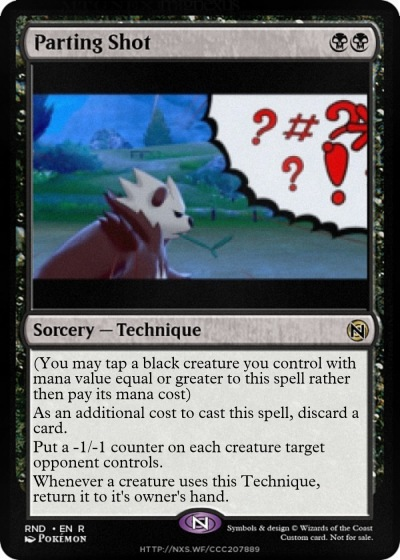
The next question was what to do when the leaders, procedures, and polls all completed their work, and competitive play answered that the Pokémon itself still needed another look.
Kerfluffle proved that Create-A-Pokémon could change leaders without losing the creation. It did not answer what happened after the creation was finished.
This is a different kind of succession problem.
The creature now has to outlive the theory that produced it.
CAP had always possessed ways to argue about its process. The project calls that work Policy Review. Participants return to the rules, reconstruct what happened, and propose changes to leadership, polling, stage order, timing, submissions, eligibility, or whatever other part of the machinery has become impossible to ignore.
Policy Review asks how CAP should make the next Pokémon.
The metagame asks what the last Pokémon became.
For a long time, those conversations did not meet cleanly.
A CAP project is organized around an inquiry.
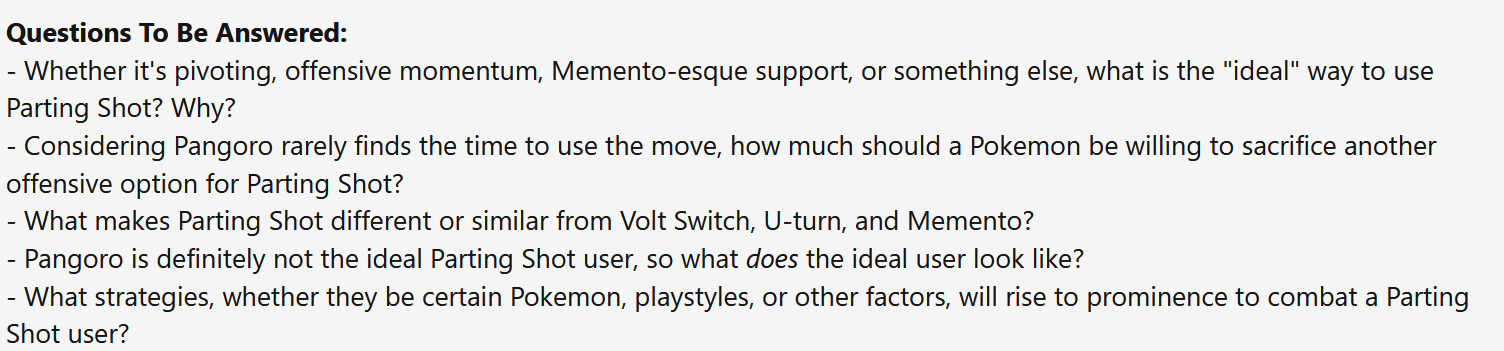
The community chooses a Concept, converts that Concept into a sequence of design questions, and makes one competitive Pokémon capable of entering the CAP metagame.
The process produces reasons.
Then the final product enters play.
The opponent does not care about the minutes.
Or, the creature works.
It fulfills the Concept through exactly the interaction the community spent months investigating.
The process can still learn from that success.
For years, CAP had no formal stage dedicated to receiving this answer. Competitive players discussed new creations in tournament chats, on Pokémon Showdown, on Discord, and in metagame threads. People involved in the creation formed their own judgments. Later projects inherited some of those lessons through community memory.
The public process archive still ended near the point when the most important new evidence began.
In August 2019, GMars opened a Policy Review proposal called Filling the Gap: CAP Post-Play Lookback.

The title was exact.
GMars described a “distinct divide between process and metagame.” The CAP metagame existed partly to test how well the community had understood and executed a Concept. The formal process was not using that instrument to close its own loop.
So add another stage.

This proposal immediately found several more constitutional questions waiting inside it.
The first dispute concerned leadership.
GMars wanted the Topic Leader to run the Post Play Lookback.

The reason was continuity. The people who made the Pokémon understood the questions the process had been trying to answer. The Topic Leader could reconnect competitive evidence to the original Concept without allowing the lookback to become a generic balance hearing run entirely by the metagame council.
Another participant saw the conflict immediately.
Why should the people who made the creature lead the critique of what they made?
The Topic Leader had already shaped the discussions, finalized slates, and defended a project direction. Asking that same office to guide the public interpretation of the result could let the original theory govern the evidence arriving against it.
A senior moderator or another experienced participant might be less invested in the outcome.
This is the same argument CAP keeps having at different scales.
Contact matters. Distance matters.
CAP did not solve the conflict by pretending one side was imaginary.

The current Post Play Lookback remains part of the creation process and is led by the Topic Leader. The discussion is public. Proposed changes move through submissions and voting rather than becoming one leader’s personal patch. The available repair is narrow enough that the review cannot secretly remake the entire Pokémon under a new theory.
The leader returns. They do not return alone.
That difference matters.
The second dispute concerned the word minor.

A Post Play Lookback was not supposed to reopen typing.
It was not supposed to replace the primary ability, tear away a hundred base-stat points, or exchange half the movepool for a new one.
Those changes would invalidate entire stages of the public process.
A disappointed community could wait until the Pokémon entered play, announce that the experiment had gone badly, and build a different Pokémon while preserving the old project’s name.
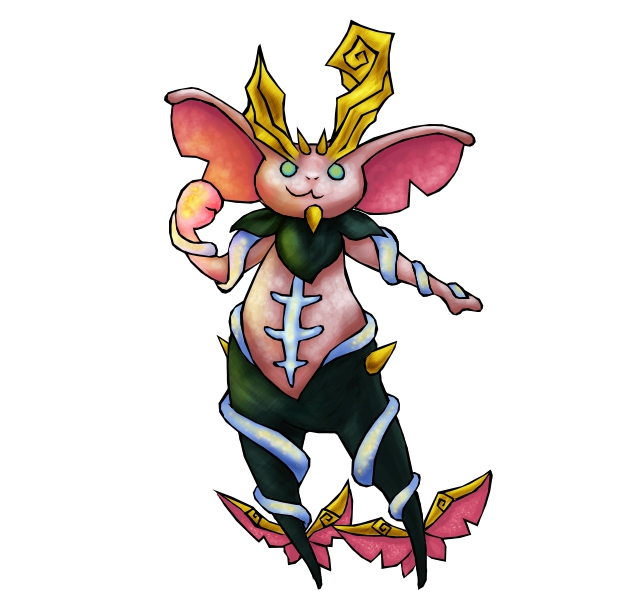
GMars proposed a smaller jurisdiction.

This boundary is more than respect for past votes. It preserves the object being tested. If every disappointing result authorizes a redesign, the field never gets to answer the original decision. The institution replaces the evidence with another intervention before learning what the first intervention did.
The Post Play Lookback therefore has to be capable of correction and incapable of escape. It can tune. It cannot flee into a new Concept wearing the same art.
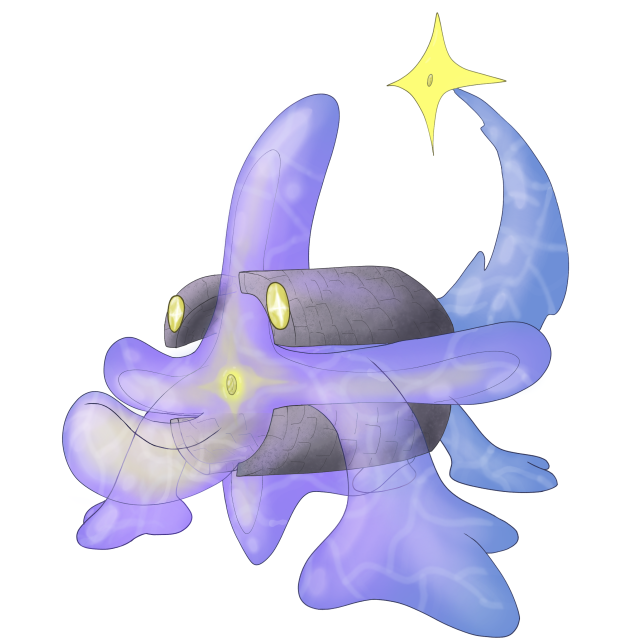
One participant objected that changing a Pokémon shortly after completion disrespected the people who had just made it. GMars answered by treating the stage as the continuation of the same creation team: the community receives feedback and releases a patch. The game survives the patch. The project remains the project.
CAP had spent years learning how to let a successor preserve direction without preserving identity.

Now it was building a way for the product to preserve identity without preserving every number.
In May 2026, CAP 37 produced Obliteryx.

Obliteryx is a Dark/Flying Pokémon built around a Concept called Perfect Conditions.
The community wanted to investigate conditional moves: attacks or effects whose value changes depending on what the opponent does, what state the battle occupies, or whether some trigger occurs.
The selected move was Beak Blast.

Beak Blast is a strong Flying-type attack that begins charging before it strikes. If the opponent makes contact with the user during that preparation, the opponent is burned.
The move therefore changes the turn before it deals damage.

The threat of the condition can matter even when the condition never activates.
Obliteryx received the abilities Opportunist and Analytic. Opportunist copies an opponent’s stat boosts. Analytic increases damage when the user moves after its target. Its initial statistics were 102 HP, 128 Attack, 126 Defense, 45 Special Attack, 90 Special Defense, and 64 Speed. It also received Knock Off, Roost, Sucker Punch, Taunt, Stealth Rock, Body Press, and enough other tools to make several roles very plausible.
This bird had options.

Then people played it.

Eight weeks of CAP Premier League and a playtest tournament supplied a much larger competitive record than the creation process had possessed. Topic Leader earthflax reopened the project with four questions.

During actual play, Spammernoob developed a Red Card set.
Red Card is an item that forces an attacker out after striking the holder.

Obliteryx could survive a hit, throw the attacker out, and use the disruption to create an enormous swing. Analytic strengthened the attacks available around that plan. The same Pokémon could also run Heavy-Duty Boots, Dark Glasses, Life Orb, Choice Band, defensive investment, offensive investment, Stealth Rock, Taunt, Body Press, or other combinations.

Analytic also created an ability-identification problem.
An opponent could not safely assume Obliteryx was running Opportunist and avoid stat boosts by changing play accordingly. It might be Analytic and simply hit much harder. Nor could the opponent assume Analytic and begin setting up freely, because an unrevealed Opportunist set could copy the boosts and end the game.

The two abilities improved one another through uncertainty.
This was conceptually interesting. It was also terrible to play against.
Guingil, who had supported several of the relevant design choices (and would soon apply for CAP 38’s Topic Leadership Team), gave the compact summary:
“remove analytic, process good, learnt a lot”
That is exactly what the Post Play Lookback exists to make possible.

The process can have been good.
The process can have learned something real.
One component can still need to leave.
The discussion did not stop at Analytic.
Participants proposed reducing HP, Special Defense, Attack, or Speed. They proposed removing Stealth Rock, Body Press, Knock Off, or Encore. Some wanted Defog added so Obliteryx would retain a support role after losing power elsewhere. Others wanted to preserve Analytic and attack the oppressive combinations around it instead.
The Topic Leader eventually produced a slate of four complete packages.
All four removed Analytic.
Every package also made some smaller change.
The public vote selected Guingil’s package.
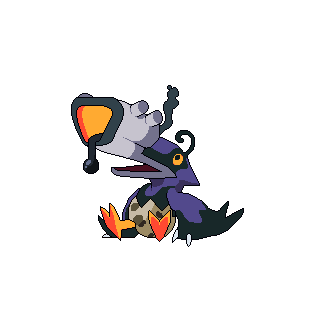
The secondary competitive slot became No Competitive Ability.
Later flavor work supplied Early Bird and Sniper as noncompetitive abilities around Opportunist. The 2.0 release records both the original and revised forms in the same final-product thread.
Obliteryx survived. Its spreadsheet did not.
The Obliteryx lookback is valuable because the community did not have to choose one total story.
This is a healthy relation to institutional memory.
The archive preserves who argued for what.
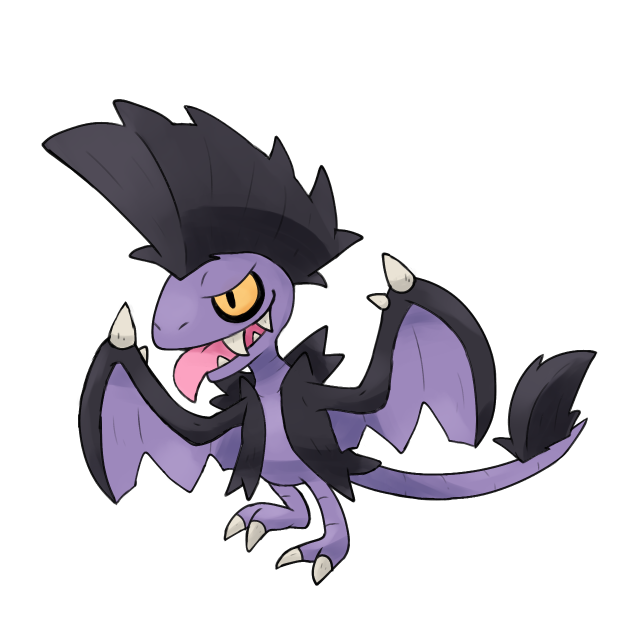
The return path does not turn that record into a prosecution list.
The field answered. People changed their minds.
The bird lost twelve Special Defense.

Life continued.
The Post Play Lookback can reveal process problems too.
Those findings do not all belong inside Obliteryx.
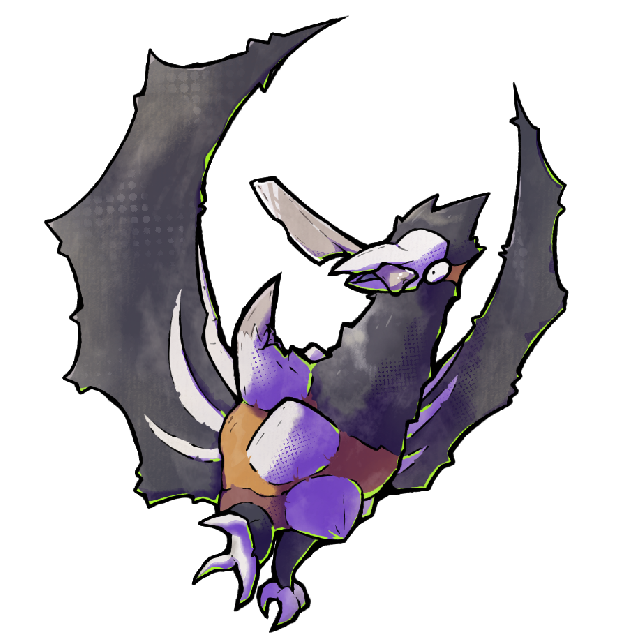
Some belong in Policy Review.
The current Policy Review forum exists specifically for changes to how CAP discussions and creation stages are conducted. Its procedure is different from the ordinary creation process. Policy Review Committee participants receive the ability to open and vote in policy threads. Discussions remain publicly viewable. Threads stay open long enough to develop, moderators identify consensus, and the moderation team ultimately approves or rejects the proposed change.
A governance reform should not be smuggled into one Pokémon patch because a recent battle was annoying.

A Pokémon should not be forced to remain defective because the institution needs six months to decide whether its secondary-ability policy was wise.
Different objects need different return paths.
This is where CAP’s accumulated procedure becomes genuinely impressive.
The answers can disagree without canceling one another.
A process can deserve correction without condemning every Pokémon it produced.
A Pokémon can require correction without voiding the process that made it.
Now CAP 38 needed people to carry both paths forward.
Applications were open.
The next temporary government was introducing itself.
Just days ago as I write this, on August 16, 2026, Create-A-Pokémon opened applications for CAP 38.
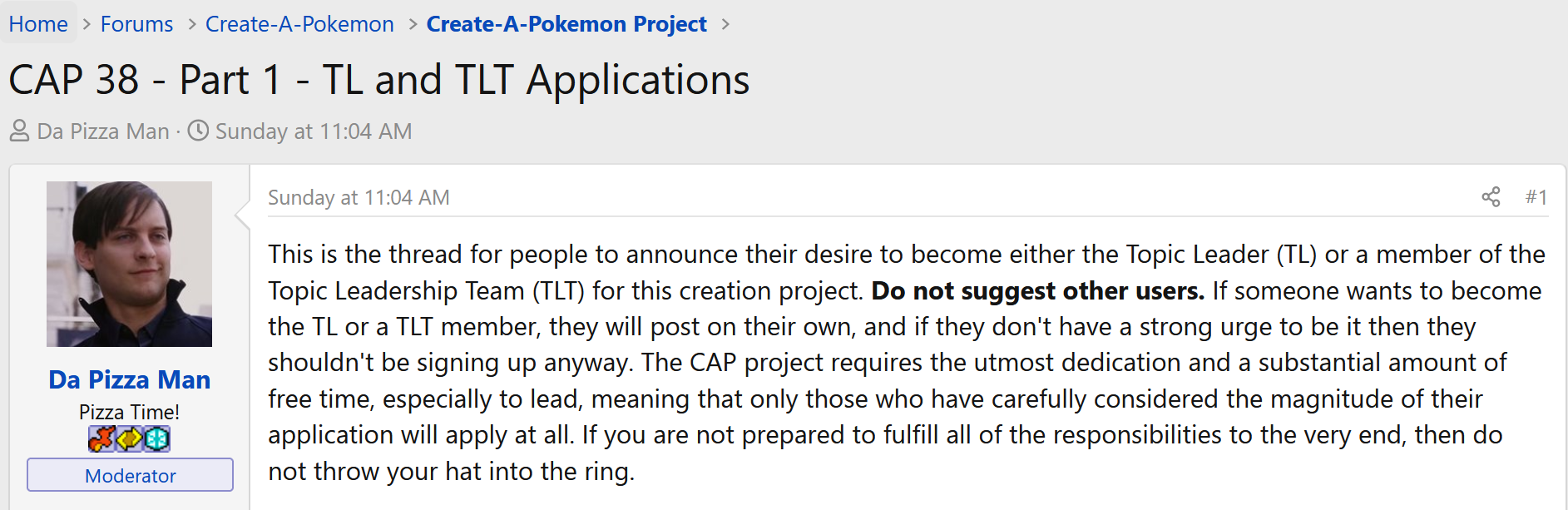
The announcement asked for five people.
The post did not describe this as a casual opportunity to contribute.

Applicants were warned that the project required "the utmost dedication" and a substantial amount of free time. The five selected people would become the most visible participants in the creation and receive a “great deal of power” over what CAP 38 became.
The phrase is useful because CAP does not hide the office inside service language.
This is a small but excellent rule.

The candidate has to want the burden enough to write the case for assuming it.
Then, the forum gets to read several theories of authority disguised as Pokémon résumés.
A CAP leadership application has an unusual evidence problem.
Nobody can prove they will lead CAP 38 well.
CAP 38 does not exist yet.
The Concept has not been selected. The disputes have not occurred. The Typing Leader does not know which typings will acquire support. The Ability Leader does not know which ability will become the next source of community trauma.
The candidate can point backward.
The public record shows where the person has acquired contact with the work.
Then the candidate has to make an inference from that contact toward a future office.
That inference is exactly what this article has been auditing.
Experience is evidence. It is not automatic title.
CAP 38 has received three applications for Topic Leader.
They did not describe the same leader.
Da Pizza Man applied first among the Topic Leader candidates.
His application reads like the case for an operator.

He had participated across twelve years, though not continuously. He had served as Stats Leader for Cresceidon and Obliteryx, submitted winning statistical and movepool work, competed in and managed CAP team tournaments, helped lead analysis writing, sat on an old-generation council, run events in the Pokémon Showdown CAP room, and recently joined the forum moderation team.
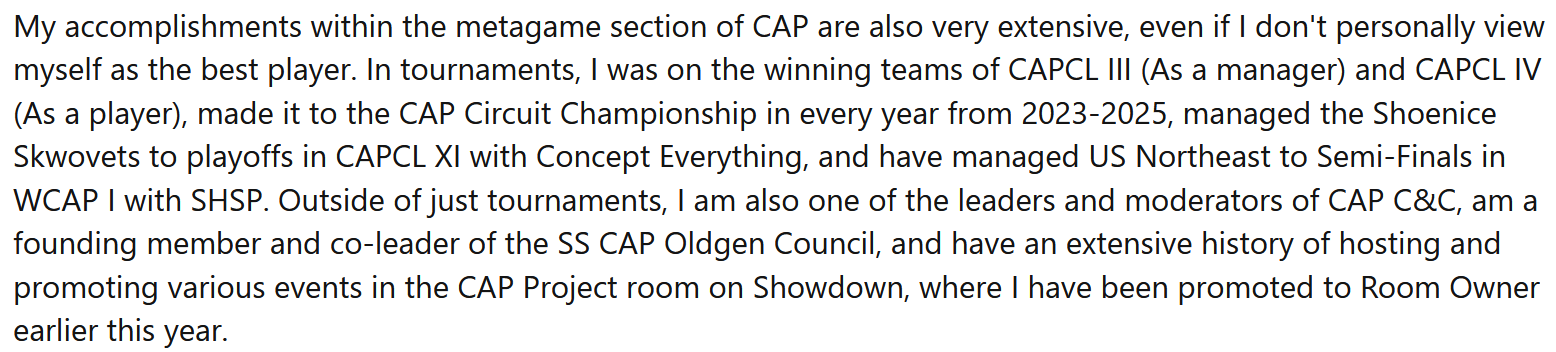
This is broad institutional contact.
Process.
Metagame.
Documentation.
Tournaments.
Live community management.
The proposed leadership style was “no-nonsense.”

That does not mean creatively closed.
Da Pizza Man paired direct coordination with an explicit interest in exploring territory unfamiliar to much of the community. The promised balance was competitive seriousness without forcing every project down the path everybody already knew how to defend.
The application therefore offers one theory of Topic Leadership:
CAP has reasons to value this.
The whole Strong Topic Leader model was created because a process can contain excellent contributions and still lose the Pokémon. A leader who keeps everyone on the same page is carrying an old constitutional function.
The danger is equally old.
Someone has to decide what counts as the page.

Spammernoob entered with a shorter history inside formal CAP creation and a stronger claim through translation.

He had become a CAP moderator, played successfully in tournaments, contributed heavily to Obliteryx’s process, and produced a public guide to Base Stat Rating.

Base Stat Rating is one of CAP’s technical instruments for judging what a statistical spread actually does. It attempts to represent physical offense, special offense, physical bulk, special bulk, and Speed through more useful relations than adding six base stats together and declaring the larger number better.
The instrument is mathematical enough to acquire a spreadsheet.

The spreadsheet is old enough to acquire inherited formulas.
Inherited formulas eventually become the kind of thing a community uses every project while only a narrowing group of people remembers why the numbers come out that way.
Spammernoob went backward through the policy threads and calculations and wrote a plain guide so contributors could understand more than which cell to fill in.
That is leadership work before leadership office.
The Topic Leader application extends the same approach to discussion. Spammernoob argues for active guidance while arguments are developing and a more “hands-off” posture once the project reaches final decision, unless the situation has become dangerous enough to require stronger intervention.

This is a different theory from Da Pizza Man’s.
The difference should not be exaggerated. Both candidates accept a strong Topic Leader. Both are moderators. Both have competitive records. Both would finalize slates. They place the center of good leadership in different moments.
kenn applied for Topic Leader and for any Topic Leadership Team role except Stats.
The application includes prior service as Ability Leader and Typing Leader, moderation on the forum and Pokémon Showdown, work across CAP and Other Metagames, and enough community administration to suggest a dangerous inability to leave internet projects alone.
The more important evidence sits in two side institutions.
The side project runs compressed versions of CAP’s main design stages around these unrealized branches. None of the resulting Pokémon is implemented as the official creation. Participants still practice concept interpretation, ability design, statistics, moves, submissions, argument, and voting.
This is an exceptionally strange leadership school.
A participant can learn how to lead a process without the entire official project depending on the result. A losing idea can remain intellectually useful without reopening the decision it lost.
This is succession work at the earliest layer.
A future Topic Leader requires future Concepts. Future Concepts require people who know how to distinguish a design inquiry from a detailed Pokémon request.
The Workshop lets participants practice before the official submission window turns every mistake into a live contest.
kenn’s candidacy therefore offers another theory of leadership:
The office should not only carry the current project.
The surrounding institution should make more people capable of carrying later projects.
This is the only theory in the field that can solve succession without waiting for a vacancy.
The Topic Leadership Team applications widen the picture.

Gekokeso had participated in every main process since Astrolotl, contributed the winning Concept for Chuggalong, the winning mono-Ground typing for Saharaja, and Opportunist for Obliteryx, then built tournament and Pet Mods experience around how created Pokémon enter actual metagames.

Pet Mods are communities that deliberately alter existing Pokémon or make new ones, then study the resulting competitive field. That work does not become CAP experience automatically. It gives the applicant another laboratory for seeing how individual changes interact with a metagame rather than existing as isolated design ideas.
AzothBend came through Alternate Timelines.

He described the faster side process as a training environment and emphasized early deliberation, offbeat ideas, and the need to give unfamiliar proposals enough attention before defaulting to the easy route. His competitive background came primarily from VGC and draft leagues rather than the center of the CAP tournament scene.
That is an outsider-insider position.
Guingil entered the application thread directly from the previous section of this article.
He was the one who submitted the winning Obliteryx nerf package.
His application also records earlier CAP participation, a near-winning Obliteryx stat spread, tournament work, and a preference for mapping interactions before deciding which route is obvious. He presents changing his mind under new data as a leadership qualification.

The candidate is not claiming an uninterrupted history of being right.
He is claiming a documented history of staying answerable long enough to revise.

Volsur applied from a newer position and emphasized the creative freedom available to a fan project that does not have to reproduce Game Freak’s habits. Competitive balance mattered; so did the possibility that a technically safe process could become aesthetically dead.

IronTemplar arrived through art and flavor. He had produced visual submissions and a winning Pokédex entry before seeking a competitive leadership role. CAP, in his account, is valuable because competitive and creative execution meet in one creature.
That route complicates the idea that the leadership bench should be built only from tournament results.
The final Pokémon has art. It has a name, and a fictional biology. It has to look like something that could be a Pokémon while surviving players who have spent twenty years learning how to optimize one.

CapitanPabloskii offered analysis writing, translation work, leadership of collaborative team-building projects, and live-room moderation. The application came from roughly a year and a half of active CAP participation rather than a decade.
Zetalz offered the opposite temporal profile.
Eight years of involvement.
Previous Typing Leadership.
A winning statistical submission.
Long participation in both creation and Policy Review.
He also explicitly framed experience as support for first-time Topic Leadership Team members rather than as an argument for keeping them out.
That is how standing can become a bridge instead of a wall.
CAP’s application rules say that a leader needs game knowledge, familiarity with Smogon’s competitive philosophy, willingness to take positions, openness, creativity, writing ability, dispute resolution, activity, and time.
The candidacy post tests some of those traits directly.
The application cannot test what happens after four days of hostile discussion about whether Water/Fairy is conceptually lazy.
It does expose how the candidate understands the office before receiving it.
That record matters later. The community can compare the leader’s conduct with the theory offered while seeking the role.
Promises are not enforcement; they are evidence with a timestamp.
CAP does not send every application directly into an unrestricted vote.
The official Topic Leader selection guide places another institution between self-nomination and public choice.
After applications close, the forum moderation staff selects the candidates it considers qualified.
Those candidates enter a public Ranked Pairs poll.
This is neither a pure election nor a private appointment.
The two layers answer different questions.
CAP does not pretend those questions are identical.
The arrangement has clear advantages.
The arrangement also places enormous authority in the threshold.
We are going to leave that problem open for one more section.
For now, the applications are doing something the final vote cannot show.
They reveal the bench.
The CAP 38 application post tells unsuccessful candidates to remain active.

People not selected for this project enter a watch list for the next one. Their conduct will receive more scrutiny because the community now knows they seek leadership.
This changes what losing means.
The application is not a one-use ticket.
CAP therefore manufactures possible leaders through ordinary participation and repeated public failure.
That is much healthier than identifying one chosen successor in private and protecting the person from every event that might weaken the choice.
The bench is visible because people are allowed to stand for office before the institution knows it needs them.
The no-result version of this article went live Friday morning.
The result had already been sitting on Smogon since the previous night.
This is what the reporting profession refers to as checking the website again in the morning.
CAP 38 received thirty-five ballots containing eighty-eight expressed preferences among the three qualified Topic Leader candidates.
The election used Ranked Pairs.
The head-to-head results were:
That left a clean ordering.
The counting script reported a conclusiveness of 55.5 percent.
CAP 38 has a Topic Leader.
Spammernoob wins.
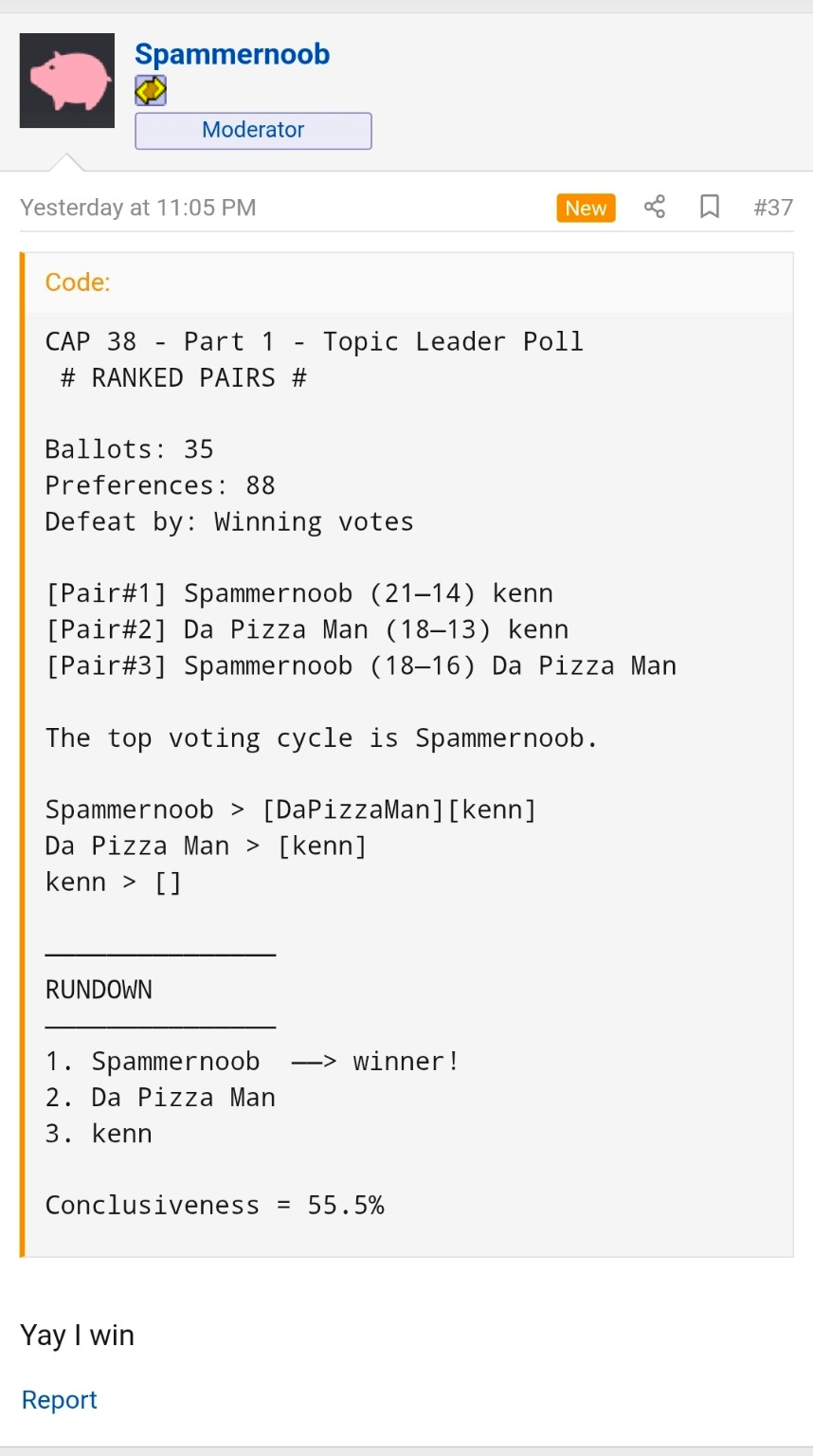
Spammernoob, who is also the moderator who posted the completed count, supplied a formal acceptance statement beneath the result:
Yay I win
The constitutional transition has concluded successfully.
Da Pizza Man made the strongest case for the Topic Leader as operator: experienced across process, tournaments, documentation, live community management, and multiple competitive stages; direct enough to keep one project from dissolving into six conversations.
kenn made the strongest case for leadership as something an institution has to manufacture continuously. Alternate Timelines and the Concept Workshop create places where losing ideas, newer participants, and potential future leaders can acquire contact before the central project depends on them.
Spammernoob made the strongest case for translation.
The application pointed toward active leadership while a discussion is still trying to understand its problem, then a more restrained hand near final decision unless the project is approaching a serious failure. His Base Stat Rating work supplied a smaller example: inherited technical machinery had become difficult to understand, so he went backward through its formulas and history and turned it back into something ordinary contributors could reason with.
That is the leadership theory CAP 38 has now selected.
Not overwhelmingly.
The final head-to-head contest with Da Pizza Man was 18–16.
Two votes separate the candidate whose application emphasized keeping the project moving from the candidate whose application emphasized making the machinery intelligible enough for the community to move it.
Ranked Pairs supplied a winner. It did not supply a revelation from Heaven.
That is probably healthy.
Spammernoob now gets the office.
The application becomes evidence with a timestamp.
We can watch what happens when this theory acquires power.
kenn finished third in the Topic Leader election.
The final application thread now presents kenn’s candidacy as Topic Leader only, and kenn did not appear on the later specialist ballot. The institutions emphasized in the application still exist. Alternate Timelines still creates smaller environments in which participants can practice carrying a process. The Concept Workshop still creates an earlier environment in which people can learn to formulate the question before they are asked to govern its answer.
Da Pizza Man remains a moderator, contributor, previous specialist leader, tournament participant, and part of the operating CAP field.
The specialist election makes the same point with a larger losing field.
Twenty-nine voters ranked seven qualified candidates.
Four received offices.
Three did not.
CapitanPabloskii, IronTemplar, and Volsur did not become Topic Leadership Team members for CAP 38. Their applications remain public evidence of contact, intention, and developing capacity. The application rules explicitly tell unsuccessful candidates to remain active because they may be watched as possible leaders next time.
This is what the succession bench looks like after an election.
It contains the people who won.
It also contains people who were qualified to lose.
A functioning institution needs both.
If every selection converts the unsuccessful candidates into ex-participants, the institution spends succession capacity whenever it exercises succession. CAP instead permits candidacy itself to become part of the training record.
The crown moves. The chairs fill. The bench remains.
The four chairs did not remain empty for long.
CAP 38’s specialist poll received 29 ballots containing 174 expressed preferences across seven candidates.
Ranked Pairs produced the following order:
The top four became CAP 38’s Topic Leadership Team.
The result was decisive enough to produce a government and close enough to avoid pretending that this government descended from Heaven.
Guingil defeated Zetalz 15–14.
The counting script reported a conclusiveness of 56.7 percent.
CAP then assigned the four specialist jurisdictions:
The assignments fit the applications unusually well.
AzothBend placed Typing first in his preference order. He reached the main process through a relatively recent period of active CAP participation and through Alternate Timelines, which he explicitly described as a training environment. The participant who described Topic Leadership as the “next step up” now receives the first major competitive stage after Concept formation.
Guingil also received his first preference: Ability.
This is particularly funny after the previous several thousand words.
The applicant who entered this article by helping CAP remove Analytic from Obliteryx, after having supported the design path that produced it, will now lead the stage where CAP 38 decides which ability should be permitted to ruin everybody’s month.
There are worse qualifications than this.
Gekokeso receives Stats, his second preference after Typing. His application brought sustained process participation, successful submissions across Concept, typing, and ability, tournament contact, and experience with other constructed metagames. That is a useful jurisdiction for someone whose record crosses repeatedly between individual design choices and the competitive ecosystems that have to absorb them.
Zetalz receives Movepool.
He expressed no portfolio preference at all.
He also supplied something the other three selected applications did not claim: previous Topic Leadership Team service. Eight hard years of involvement, prior Typing Leadership, a winning Stats submission, and long participation in Policy Review now sit beside three different routes into newer leadership.
This is exactly the result the succession argument wanted.
CAP did not solve succession by finding four miniature copies of its most experienced participant.
It put experience into relation with developing experience.
Zetalz explicitly presented his own standing as something that could support first-time Topic Leadership Team members. AzothBend presented a side process as preparation for the main one. Guingil presented revision under evidence as a qualification. Gekokeso presented repeated contact across processes and metagames as preparation for carrying a bounded technical stage.
Then the institution gave all four of them decisions that matter.
That last step is the important one.
A leadership pipeline cannot manufacture leaders by allowing promising people to watch leadership indefinitely.
Eventually, somebody has to get Typing.
Somebody has to get Ability.
Somebody has to get Stats.
Somebody has to get Movepool.
They have to encounter disagreement while holding an actual jurisdiction. They have to translate discussion into a slate. They have to discover where their theories of leadership survive contact and where they require correction.
CAP is manufacturing future operating capacity by distributing present operating authority. This is succession before vacancy.
And now we can answer the question this section originally left hanging.
Several people with substantially different routes through the institution.
Zetalz.
Long process memory. Recent process contact. Alternate Timelines practice. Tournament contact. constructed-metagame experience. Policy Review. Successful submissions. A documented willingness to change one’s mind after the bird becomes unbearable.
The stranger mixture. Good.
Spammernoob has the crown.
The court has been built.
Five temporary jurisdictions now exist.
None of them belong to CAP 39.
The Topic Leader does not run Create-A-Pokémon.
This is easy to miss because the Topic Leader is the most visible office during a creation project.
Then, the project ends.
Temporary authority lives inside a more durable constitution.
CAP maintains a public staff directory.
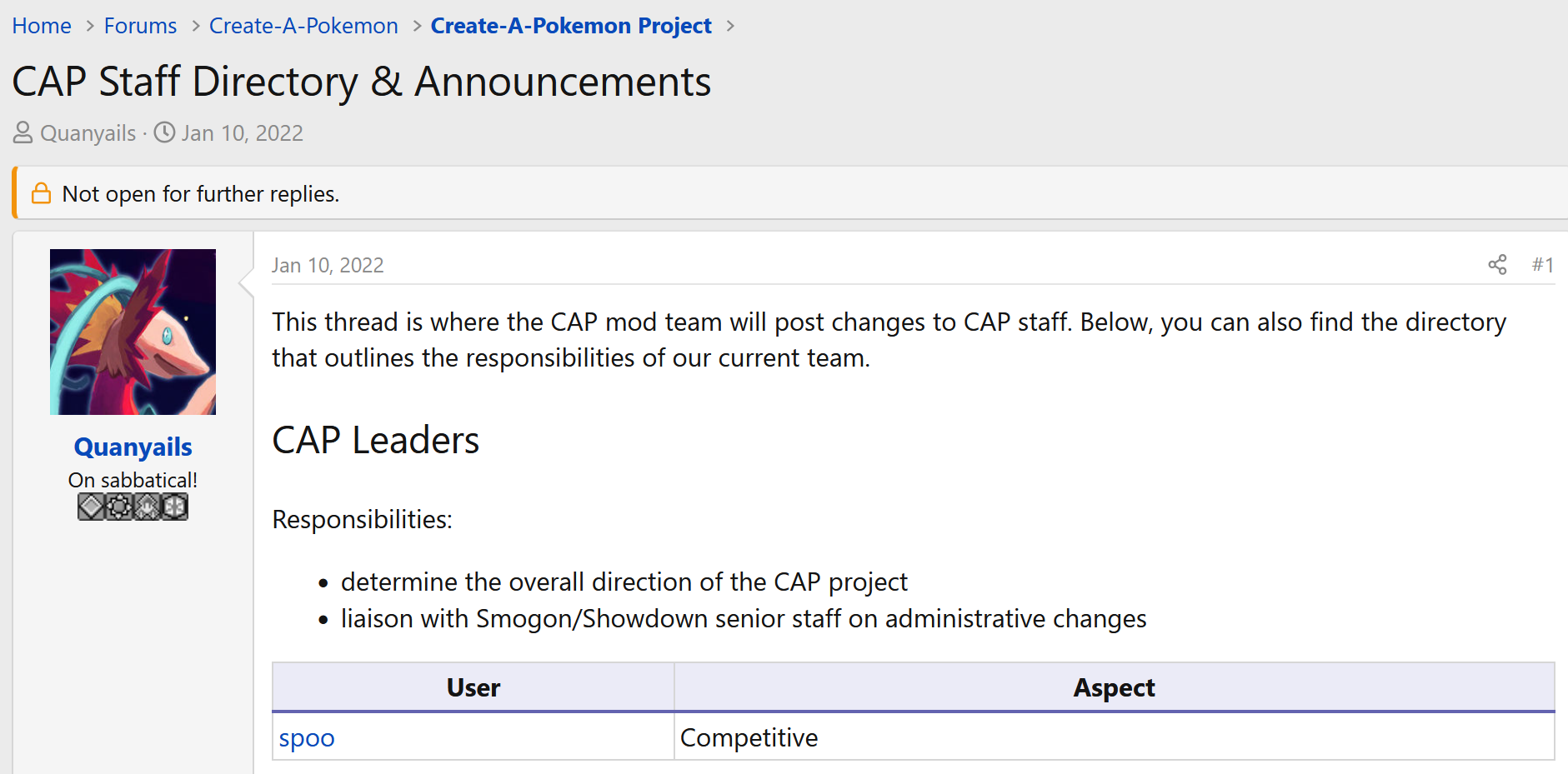
As of its July 21, 2026 update, spoo is listed as CAP Leader. The responsibilities attached to that office are brief and large: determine the project’s overall direction and communicate with senior Smogon and Pokémon Showdown staff on administrative changes.
Below that office is a standing moderation team.
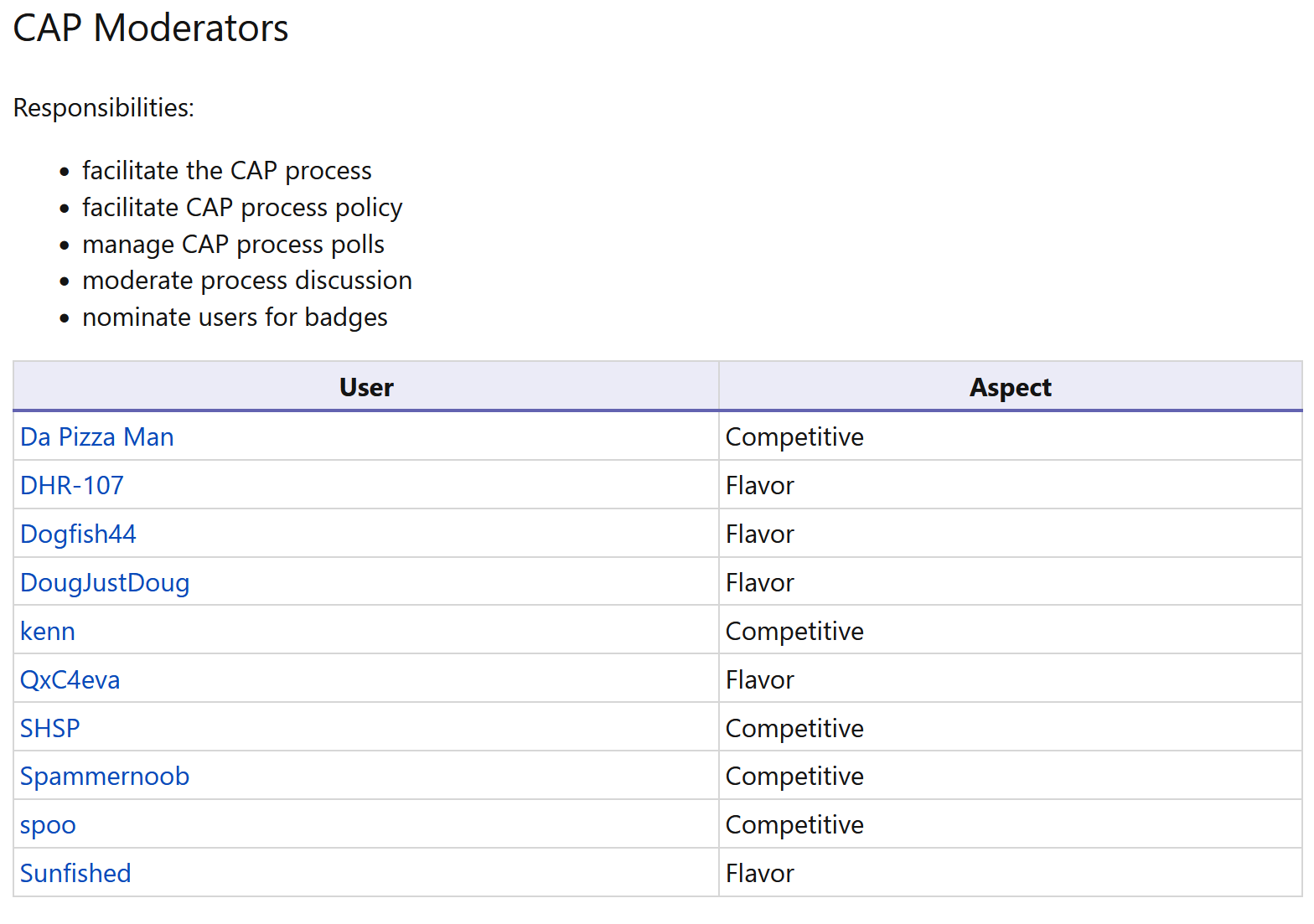
Their stated responsibilities include facilitating the creation process, facilitating policy, managing polls, moderating discussion, and nominating users for contributor badges.
The directory also identifies project moderators and specialists responsible for narrower institutional knowledge: pre-evolutions, movepool design, project history, creative rights, sprites, Discord, the test server, polling, models, cries, and the other things a community eventually discovers someone has to remember.
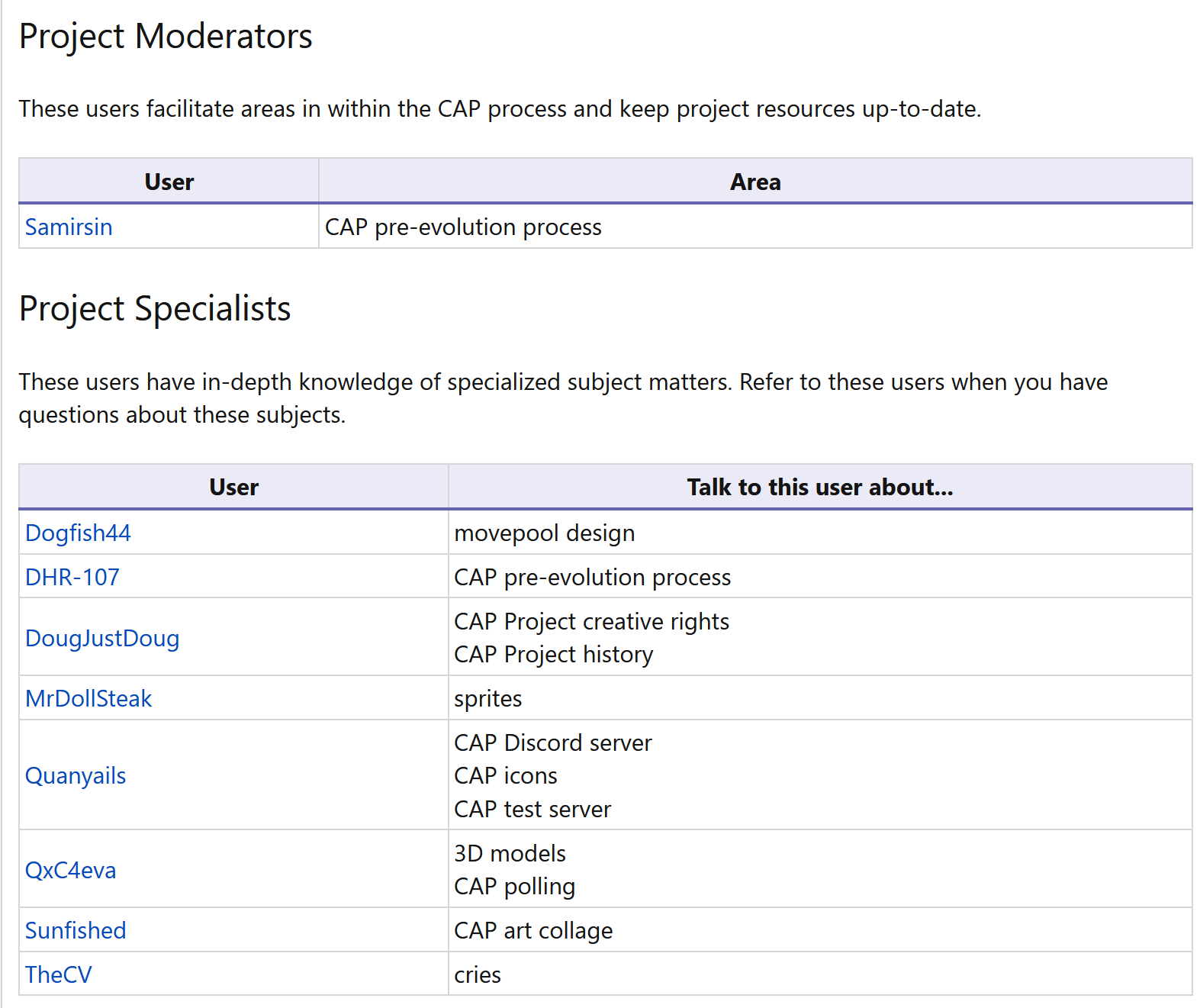
This is an operating layer, not one office.

The CAP 38 application thread makes the overlap visible.
This does not establish a corrupt election.
It establishes that CAP’s leadership pipeline and supervisory layer are not separate populations.
The circulation preserves competence. It also concentrates several constitutional functions in the same social field.
The current Topic Leader selection guide says the forum moderation staff determines which applicants are qualified before the community vote.
The public guide does not explain how moderator-candidates participate in that screening or whether they recuse themselves, as far as I can find.
The gap should remain a gap. It is still worth naming because the visible election begins after the qualification decision.
CAP has spent years teaching us to look at the slate.
The leadership slate deserves the same attention.
As with anything Smogon, the archive available to Modal Path Ethics is unusually rich. Public application posts. Polls. Policy Reviews. Process guides. Final products. Retrospectives. Leadership announcements.
A reader can reconstruct arguments from 2008, see which reform followed in 2012, and compare it with an application written in 2026.
This is extraordinary institutional memory.

It is not total memory.
CAP operates across the Smogon forum, the CAP Discord server, and the Pokémon Showdown CAP room. The current application rules explicitly direct users toward Discord and Showdown for private encouragement and live conversation. Candidate applications cite room ownership, moderation, tournament management, and Discord participation as evidence of contact.
Some institutional life therefore occurs in channels whose public record differs sharply from the forum archive I reviewed here.
A live room teaches reputation.
A person can become obviously qualified to people living in those channels while appearing much less obvious to a reader studying the public threads years later.
The reverse is possible too.
A beautiful forum record may not contain how the person behaves in the room where the work actually moves.
This is not evidence that hidden misconduct controls CAP.

It is evidence that documentation and institution are different objects.
The public archive can reveal enough to audit formal structure.
It cannot make every social transition legible.
No serious account should pretend otherwise.
CAP has not always described its permanent layer with modern restraint.

In November 2012, immediately before the Aurumoth Policy Review, DougJustDoug published a Leadership Compendium explaining how he understood the project he had helped formalize.
This document is astonishingly candid.
Doug described leadership as larger than the moderator list. Topic Leaders, server moderators, chat operators, Policy Review members, and ordinary users with enough influence all participated in directing CAP. He then distinguished that distributed leadership from the final institutional hierarchy he claimed at the time.
His phrase for the arrangement was “Benevolent Dictatorship.”
When people treated every dispute as if enough popular support could overrule the underlying authority, he sometimes answered:
“You seem to be under the mistaken impression that this is a democracy.”
This is not the current CAP staff directory. It is a 2012 founder-operator’s account of the constitutional settlement then in force.
The historical context matters.
CAP had nearly been pushed out of Smogon during its early growth.
Doug had built and operated the simulator infrastructure that made the created Pokémon playable, paid costs, managed attacks and moderation problems, negotiated CAP’s institutional relationship with Smogon, written process documentation, and accepted responsibility for keeping the project from collapsing under the consequences of its own popularity.
Control followed burden. The person carrying the server, agreement, programming, administration, and outside risk acquired the strongest claim over the framework.
This is another form of formative authority. It is also the permanent-layer version of the problem this article has been following.
Doug’s own document recognized both sides.
He did not want to lead every creation. He wanted other people to receive responsibility, control, satisfaction, and public credit. He also wanted to cultivate future leaders because the existing bench looked thin.
Temporary kings existed inside a durable throne.
CAP did not hide this in 2012. It put it in the guide.
It would be lazy to freeze that document over the present community.
The 2026 directory does not list DougJustDoug as sole head of CAP.
spoo holds the CAP Leader role.
Doug appears as one moderator among several and as a specialist for project history and creative rights.
Moderation has expanded and turned over repeatedly. The staff-announcement history records leaders and moderators stepping down, returning, and being added. The project now operates inside a mature Smogon and Pokémon Showdown infrastructure rather than one person’s home-office battle server.
Policy Review has a defined committee application process. Topic Leadership selection uses public applications and voting. Specialist leadership is distributed. The historical founder remains influential without occupying the exact 2012 office described in his compendium.
That is real constitutional movement. The deeper layer still exists.
That is the permanent constitution.
CAP’s Policy Review Committee is designed to prevent the opposite failure: past prestige becoming automatic lifetime jurisdiction.
Applicants explain their CAP, Smogon, and Pokémon experience. Acceptance is not capped at a fixed number, and rejection from one committee is not permanent. People can acquire more experience and apply again. Accepted members receive the ability to open threads, participate, and vote in Policy Review during that cycle.
This arrangement keeps policy work attached to current contact.
It also creates another qualification gate.
This can protect the project from endless constitutional litigation by participants who have not learned the machinery they want to change. It can also make the supervisory layer the final interpreter of whether a challenge to the supervisory layer is mature enough to proceed.
There is no automatic contradiction here. Just a jurisdiction worth seeing.
A constitution cannot become corrigible by writing correction available over a door whose custodian still decides which concerns count as a knock.
CAP does more than many institutions to document that door.
The custodian remains.
What happens when the problem concerns the platform itself?
The current staff directory says the CAP Leader communicates with senior Smogon and Pokémon Showdown staff on administrative changes.
That is a bridge. It is not public evidence of a complete constitutional route.
CAP does not own Smogon or Pokémon Showdown.
Its community depends on accounts, forum software, moderation permissions, simulator implementation, server operation, and institutional recognition supplied through larger systems.
The relationship can be stable and beneficial. It still places some conditions of CAP’s continuance outside the temporary offices this article has examined.
A community can rotate its Topic Leader perfectly while depending on an interface it cannot itself replace.
This is not a unique failure of Smogon. This is what institutions look like when followed far enough outward.
The permanent layer does not cancel the temporary one.
It tells us which accomplishment is real.
Create-A-Pokémon has built an unusually strong answer to project-level formative authority.
CAP has not dissolved its deepest supervisory layer into continuously renewable public consent. The moderation team, CAP Leader, Smogon, Pokémon Showdown, private channels, reputation networks, and platform dependencies continue carrying powers the Topic Leader election does not settle.
Now we can translate the case without asking the kingdom to disappear.
Create-A-Pokémon does not believe leaders are interchangeable.
We can begin there because many institutional arguments become useless at exactly this point.
One side notices concentrated authority and responds by pretending the concentration carries no real function.
CAP’s history does not support this.
The Weak Topic Leader model failed for a reason.
A sequential public process could produce several incompatible designs inside one Pokémon. The Strong Topic Leader model concentrated integration because integration was missing. CAP 22 could survive sparktrain’s departure because cbrevan had already acquired contact with the work, not because any account on the forum could have taken the office and finished Kerfluffle.
The CAP 38 application rules openly ask for unequal competence. Deep game knowledge. Competitive judgment. Writing. Dispute resolution. Experience. Time.
A willingness to close decisions other people care about.
Some participants possess more of these capacities than others.
A field that denies this will not become egalitarian. It will become worse at recognizing who is carrying what.
CAP’s significant move comes afterward.
Evidence of unequal competence does not become title over every future project.
Applied Case: The Firing of Sam Altman defends a category called formative authority.

Novel work often begins before an institution has enough completed evidence to judge every choice from outside. Someone has to assemble the people, direct the experiment, preserve coherence, decide what can wait, and carry knowledge that has not yet become documentation. Unusual contact can justify unusual authority during that formation.
Create-A-Pokémon supplies a small, public version of the same problem.

The Concept has no final Pokémon available to prove how it should be interpreted.
Every stage closes paths for the next stage.
The Topic Leader has to preserve one inquiry while the answer is still being made.
That is formative authority.
CAP lets it be strong.
Then the object changes.
The Pokémon becomes final.

The mandate ends.
This is the cleanest boundary in the whole system.
The project number is part of the jurisdiction.
Success can support another candidacy.
Success does not silently remove the next election.
A leader can be indispensable to this creation without owning the next one.
This does not weaken formative authority.
This is what the authority is for.
OpenAI’s board fired Sam Altman in November 2023.
The decision removed him from office.
It did not carry the organization into a stable successor arrangement.

Employees, technical work, customers, Microsoft, leadership relationships, and the practical ability to continue the institution all entered the rupture. Within days, Altman returned and the board itself was being reconstructed.
The companion article’s ruling is compact:
Removal is not succession.
A legal instrument can end an officeholder’s authority without moving the function into another capable carrier.
CAP 22 shows the difference from the other direction.
When sparktrain left, cbrevan was already inside the Topic Leadership Team.
Moderators could move cbrevan into the coordinating role and rearrange the specialist positions because the project had already distributed operating contact.
The transition remained imperfect.
cbrevan was appointed under emergency conditions rather than selected through a new ordinary Topic Leader vote.
The project still slowed. But Kerfluffle was completed.
That is the relevant threshold.
The institution did not discover a successor after losing the leader. It had been producing possible successors while the leader was still working.
This is why a deputy title, succession clause, or emergency list can remain mostly theatrical.
The future carrier needs decisions.
The future carrier needs interfaces.
The future carrier needs enough exposure to the work that independent judgment can form before independence becomes mandatory.
The Topic Leadership Team does this by distributing present authority.
Alternate Timelines does it by letting people run smaller unrealized branches.
The Concept Laboratory does it by letting people practice the earliest act of project formation before the official process depends on the result.
Policy Review does it by requiring participants to understand the constitution well enough to argue for changing it.
Repeated project cycles do it by creating another ordinary opportunity to lead.
CAP does not wait for a constitutional emergency to begin thinking about the next capable person.
Succession begins before removal.
Institutional succession is often imagined as reproduction.
This can protect continuity while making succession impossible in another way.
A person entering after the prototype, first hires, early crises, and formative bargains cannot recreate the exact contact through which the original authority developed.
The attempt produces imitation where the institution needs judgment.
CAP 22 did not ask cbrevan to become sparktrain.
The successor was expected to respect the direction already established and lead the remaining process independently.
Direction survived. Identity did not have to. This is a better standard.
A succession architecture should preserve enough of the work’s reasons, obligations, interfaces, and unfinished direction that a new person can answer the present field. It should not require the new person to inherit the old person’s personality as office equipment.
Kerfluffle remains six feet nine inches tall either way.
CAP also reveals why formal elections cannot carry the entire legitimacy problem.
At every scale, the ballot begins after a field has been translated into options.
That translation is power. The Aurumoth crisis made the power visible when an ordinary participant began asking whether an idea would even be slated before deciding whether it was worth developing.
The CAP 38 selection process places the same problem above the Topic Leader. Moderator screening can protect a specialized institution from an unqualified popularity winner. It also means the public chooses among a field another office has declared eligible.
The answer is not to abolish slates. A poll containing every half-formed suggestion would make CAP less democratic in practice by making serious judgment harder and noise more powerful.
The answer is to treat slating as a jurisdiction requiring reasons, boundaries, visibility, and correction.
CAP is unusually useful because the community already recognizes that the slate is part of leadership. Many institutions hide this work in preparation.
Succession begins in those earlier distributions.
Create-A-Pokémon has another distinction worth stealing.
A former Topic Leader may become more respected after a strong project. A Topic Leadership Team member may enter the next cycle with better evidence. A moderator may carry years of institutional memory. A Policy Review participant may understand the process better than someone arriving last week.
This is standing.
Standing changes how seriously the community should receive a judgment.
Tenure changes who gets to decide.
The two can overlap. They should not be confused.
CAP’s recurring selection gives prestige somewhere to go besides permanent command. The contribution remains real after the mandate ends.
This is a surprisingly difficult institutional achievement.
Organizations often preserve expertise by preserving office because they have no other instrument for honoring and accessing the expertise. Removing authority then looks like discarding the person and everything the person knows.
The predictable result is authority that never reaches an ordinary ending.
CAP can let the Topic Leader become an ordinary participant again because the forum preserves another role for standing.
The crown is not the only way to remain relevant.
The Malaconda Policy Review and Obliteryx Post Play Lookback show two more pieces of a succession-ready institution.
Policy Review allows CAP to test what its governance did after adoption. The Topic Leader plus Topic Leadership Team arrangement could be judged in use, refined, and carried into later projects without requiring the 2012 reformers to retain office forever.
The Post Play Lookback lets competitive evidence alter the completed Pokémon. Obliteryx could lose Analytic and twelve Special Defense without forcing CAP to declare the entire creation illegitimate.
These are both handoff systems.
An institution incapable of this kind of return becomes dependent on original authors for interpretation. Every unexpected case has to be sent back to the founder, original board, original drafter, or original leader because nobody else possesses recognized authority to say what the work has become.
That dependency feels respectful.
It can make the past sovereign over evidence the past never had.
CAP instead lets the constitution and creature both continue into review.
The original creators remain part of the history.
They do not own the last word on every future battle.
None of this removes CAP’s permanent layer.
Temporary formative authority can therefore be well designed inside a deeper institution whose own succession is less continuously public.
That does not make the Topic Leader system fake, but it keeps the finding proportionate.
No institution does.
The useful question is whether each layer leaves another path through which its own authority can be named, bounded, transferred, or returned to evidence.
CAP’s project-level answer is unusually legible.
The deeper answer remains under construction.
This is also true of OpenAI.
Eventually everyone is discussing moderator selection for a Pokémon forum.
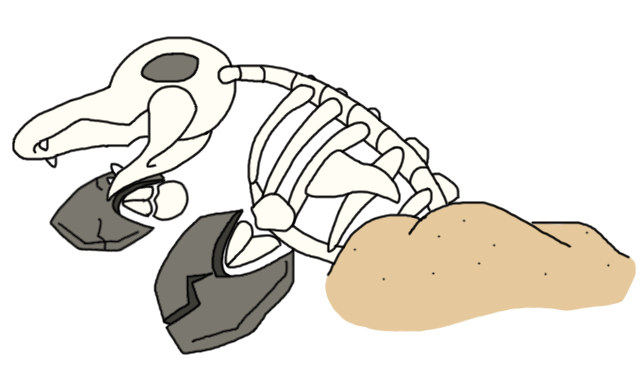
We have reached the actual problem.
Create-A-Pokémon spent eighteen years learning how to give one person enough authority to keep a public design process coherent.
This is temporary formative authority.
The leader receives a real mandate because the work requires integration.
Other people receive real jurisdictions because integration cannot become ownership of every decision.
The project distributes enough contact that another person can eventually carry the whole.
The completed work returns to evidence.
The former leader keeps standing without keeping the office.
The next selection begins before success can harden into succession by default.
CAP’s answer is leadership whose object, interfaces, review paths, and ending have become part of the design.
A leader can be indispensable to this creation without owning the next one.
That is the ruling. The institutional obligation follows:
CAP 38 will make one Pokémon.
CAP 39 will need another leader.
The crown goes back on the table.
