Today, Modal Path Ethics received some troubling travel information.
Chinese artist Gao Zhen has been sentenced to three years in prison after being convicted of slandering China’s “heroes and martyrs.” Gao was detained while visiting China with his wife and son in August 2024. Police later raided his studio near Beijing.
The relevant offense here appears to be art.
This is immediately concerning for incredibly obvious reasons.
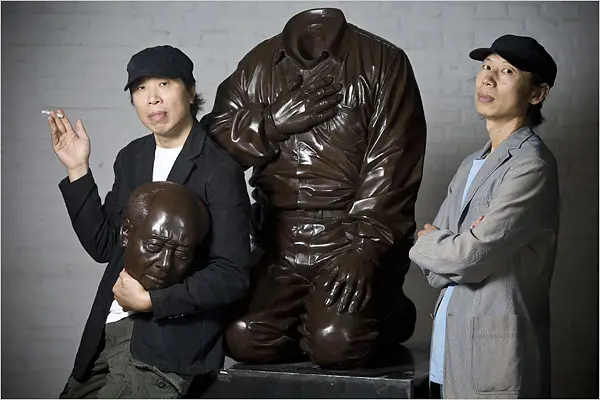
Gao and his brother Gao Qiang spent years making works about Mao Zedong and the Cultural Revolution. One of their best-known sculptures depicts Mao kneeling. Another places seven Mao statues in a firing squad pointing rifles at Jesus.
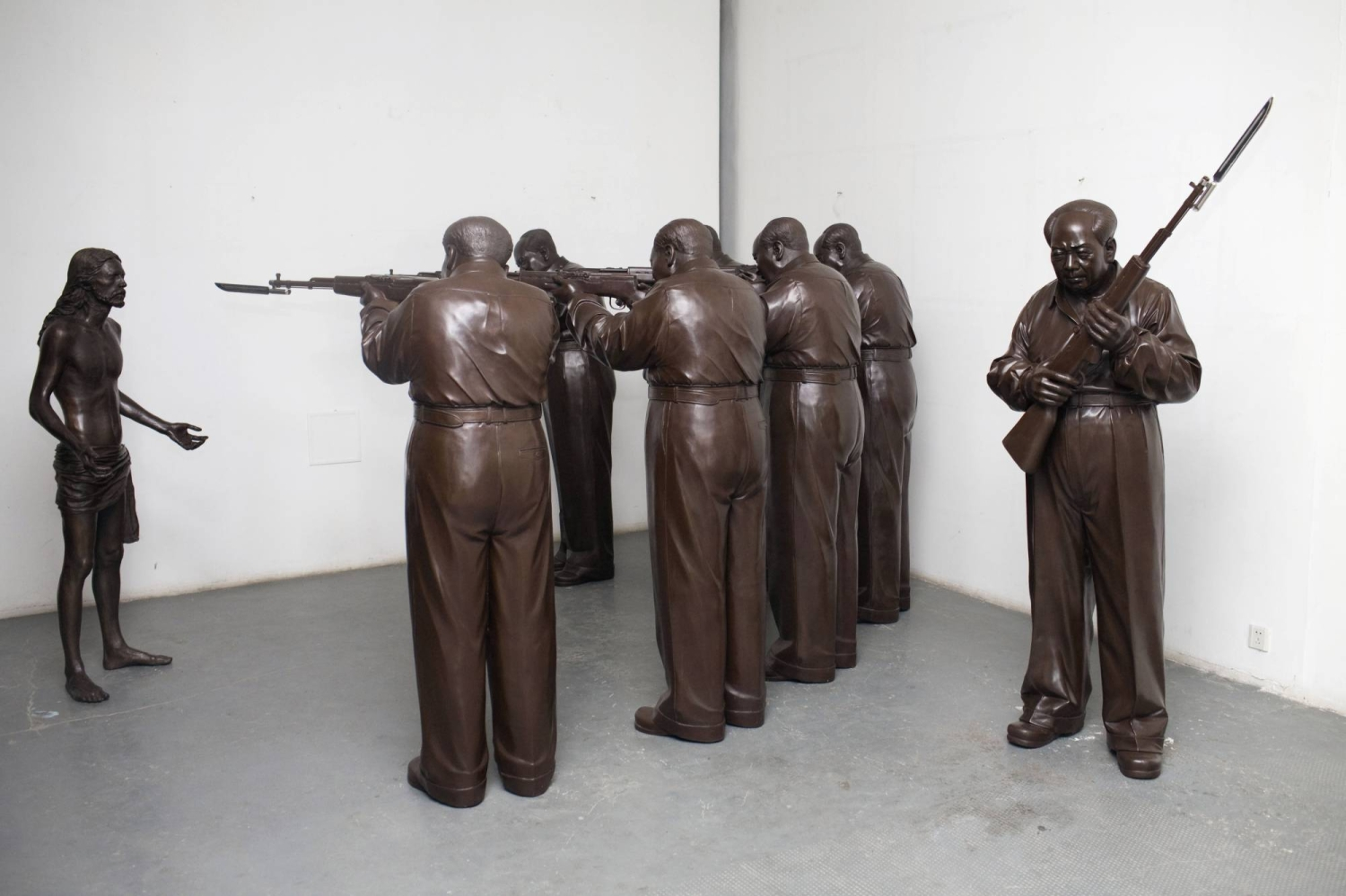
The works at the center of Gao’s case were created more than a decade before China enacted the 2018 law under which he was charged. His wife and young son have also been unable to leave China since his detention.
Modal Path Ethics has therefore initiated an emergency audit.
Because clearly, Modal Path Ethics is art.
We need to be completely clear on this. I want us all on the same page here.
All the articles are art.
All the bullet diagrams are art.
The weird typography is art.
The philosophy is art.
The games are art.
The botched CSS is art.
The thing where I spend four months building up an ethical framework and then discover that its most natural publication format is apparently a 124-minute article about Mao Zedong declaring war on sparrows is absolutely fucking art.
This premise is just non-negotiable.
And the Chinese Communist Party is, of course, extremely concerned with Modal Path Ethics. They are definitely keeping a close eye on this shit. That one is just common sense.
We can therefore assume that some incredibly exhausted office in Beijing has already been assigned this file.
So it is therefore time for an emergency audit.
So, the first result was:
Uh oh.
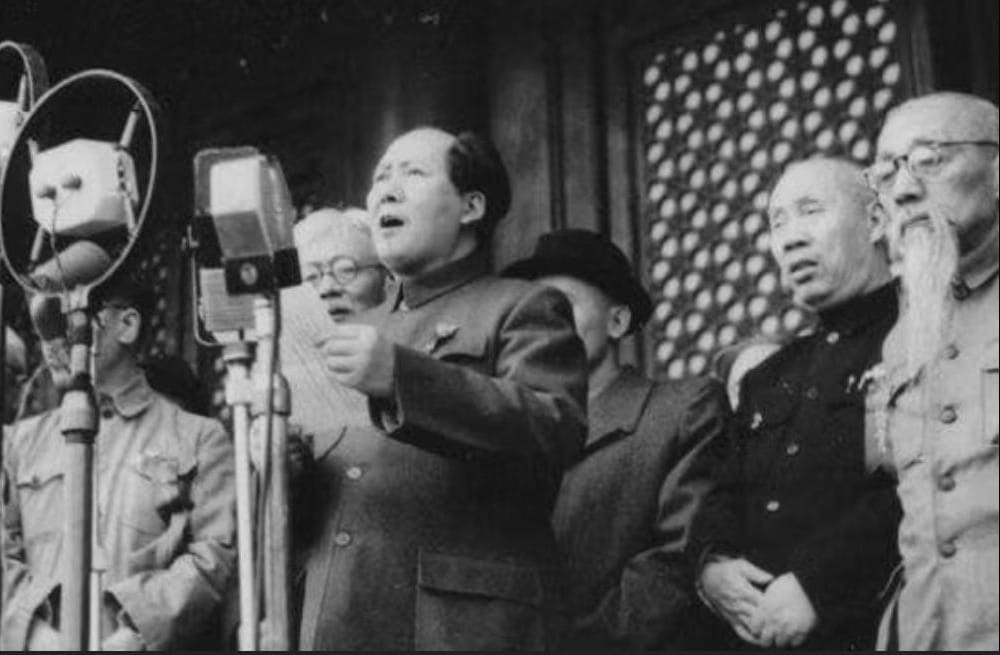
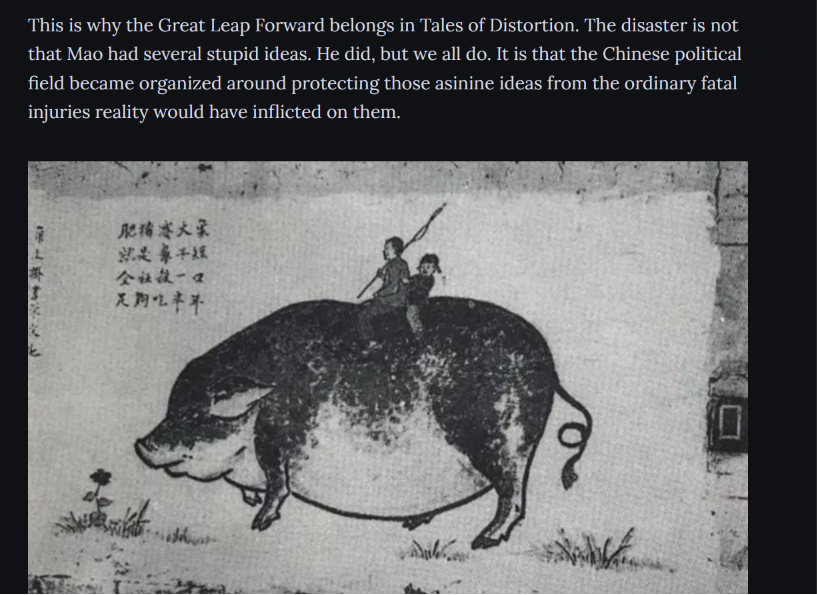
This is an article whose excerpt begins somewhere around China needing industrial capacity and ends with everyone being told to go outside and harass a bird until it dies.
It then spends an extremely long time on Chairman Mao. I don't think you're supposed to do that.
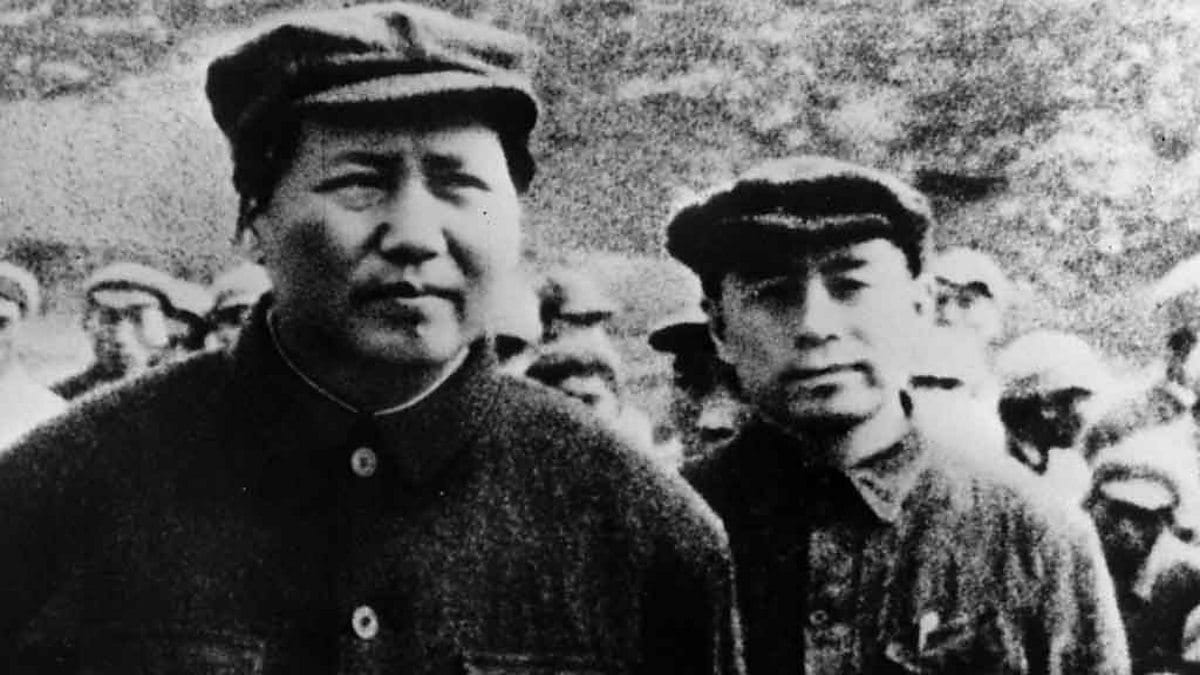
The article does give China’s post-imperial and postwar wound its full weight. China really had been invaded, humiliated, fragmented, impoverished and left dangerously weak. Industrialization, food security, state capacity and national defense were totally real needs.
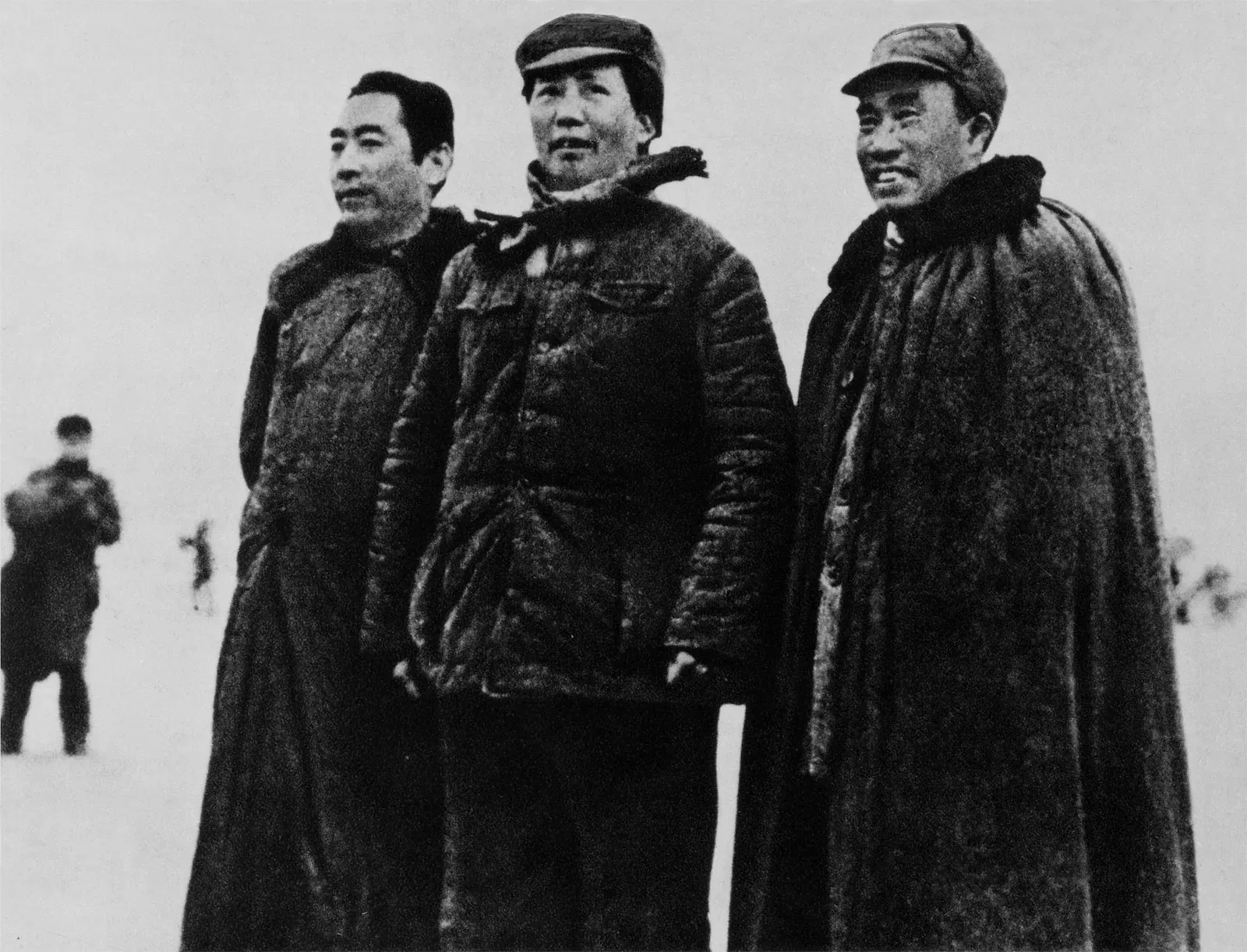
And then, Mao decides China can compress development through political will.
The farmers become metallurgists.
The cooking pots become steel inputs.
The sparrows become enemies.
The harvest reports become fictional.
Hunger becomes politically difficult to report.
Eventually the article identifies the central failure here: the Chinese political field became so organized around the campaign that correction itself became dangerous. The field contained plenty of information. Farmers knew things. Engineers knew things. Hungry people certainly knew things. The information had to survive the political instrument before it could become action.
This is already all very unfortunate for my case.
Still, perhaps this can be contained.
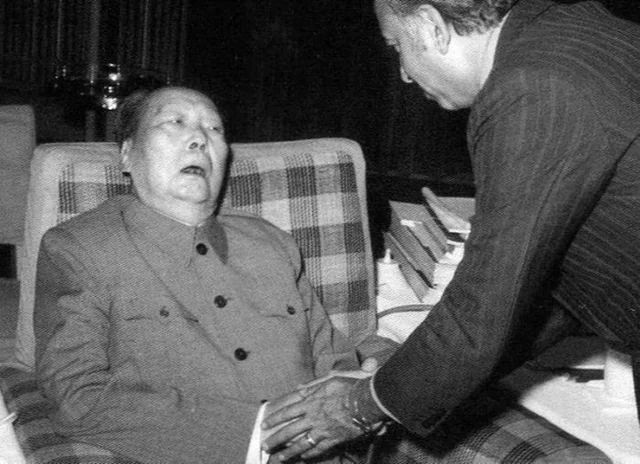
Let's just proceed with the audit.
Next result:
Oh, shit.
This one is about Taiwan.
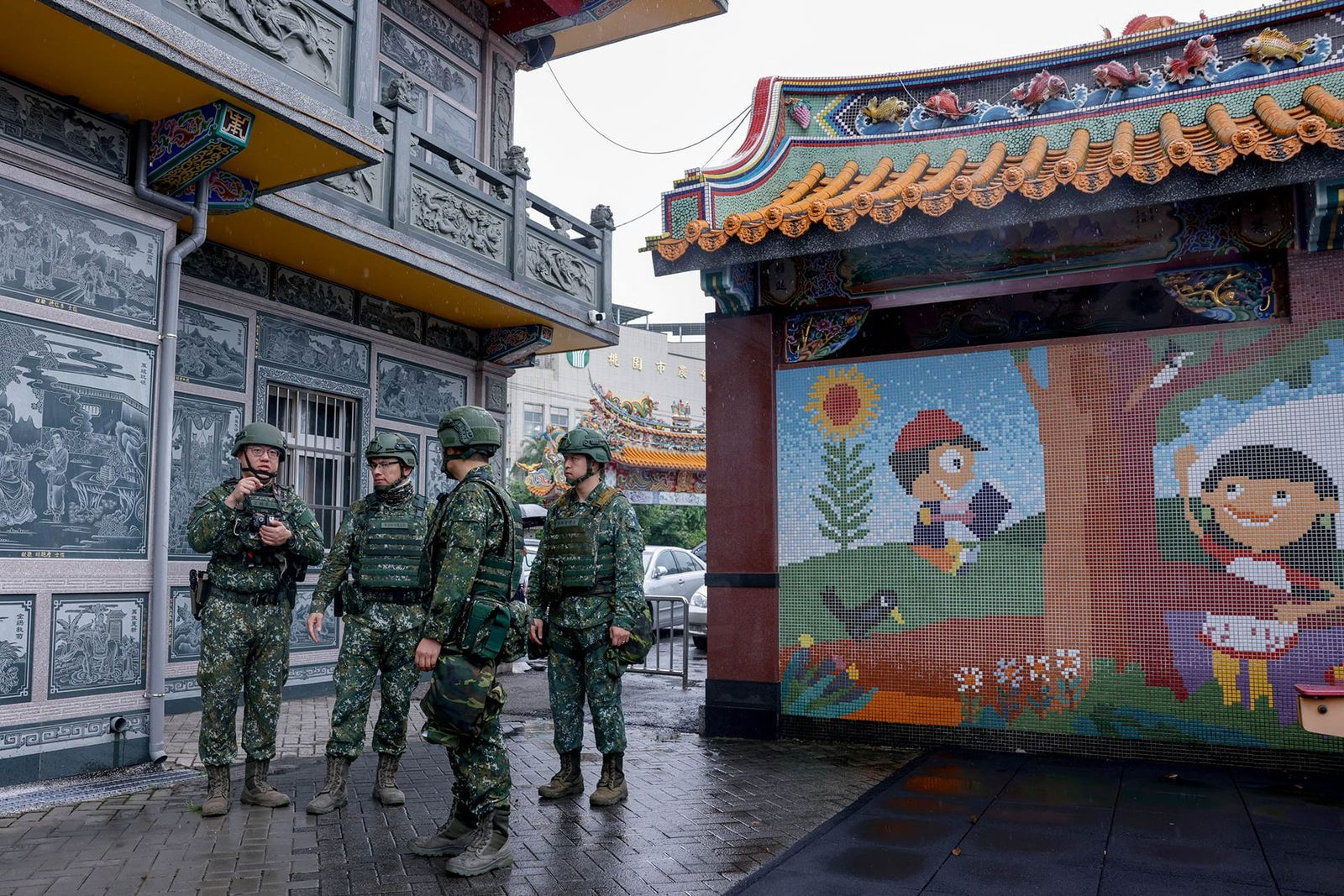
The article directly concludes that Taiwan’s political future cannot be assigned by Beijing, Washington, semiconductor markets or anybody else standing outside the people actually living there on that island. It proposes a deactivation path for the sovereignty conflict and then, after attempting to construct a non-humiliating security arrangement for China, states with just truly admirable diplomatic restraint:
China does not get authority over Taiwan.
This sentence secures me a future career as a diplomat. The article then specifies that China does not receive police access, censorship rights, party organs inside Taiwanese institutions, control over Taiwanese elections or blockade leverage.
I apparently felt that all of this clarification was necessary. That openness is what gets my resume the second look.
The article then ends with the future of Taiwan belonging to the people living in Taiwan.

Emergency status upgraded.
Let's continue.
Next result:
Well, give me a chance here.

My article opens:
China governs territory, law, schools, infrastructure, speech, archives, borders—
Actually, let’s not.
We have enough problems today already.
And so then, twenty-four lines into the page, the audit encounters the following phrase:
the earlier China sequence
That's right.
I did a whole explicit China sequence. Forgot to tell Emergency Audit Control that I had already formalized all this.
The article explains that The Great Leap Forward addressed the party story commanding material reality, The Silicon Shield addressed the national restoration story reaching outward toward Taiwan, and Tibet supplied the missing middle: language, religion, cultural continuity and national unity.
And then, later, it gets worse.
There is a section right here titled The Missing Middle. Its first sentence is:
The China track now has three exposed surfaces.
I go on to name these exposed surfaces.
Upon review, I did not accidentally say several questionable things about Chinese state power.
I went ahead and built a whole track out of it.
At this point, the emergency audit expanded to the entire website.
So, turns out, Field Instruments: Post-Money contains a section called:
Great.
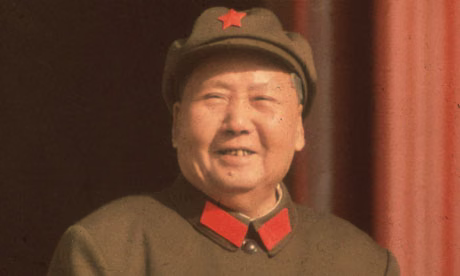
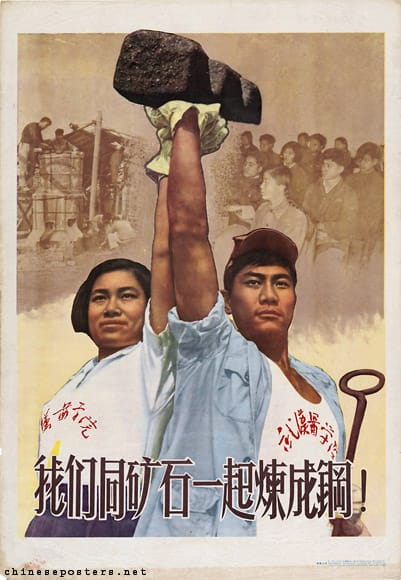
Mao appears there as the catastrophic example of command sovereignty: a political instrument so insulated from reality that false abundance became safer to report than actual scarcity.
And then Field Instruments: Open Weights and the Release Gradient begins:
Silicon Valley has discovered two ways for China to win.
The same article later contains a section titled:
Sick.
Its conclusion eventually informs the reader that “China is not the constitution,” because apparently we had reached a point in artificial-intelligence governance where this sentence had to be written down by me.
Applied Case: The AI Field in 2026 brings China back into the megamix through frontier models, semiconductor controls, technological competition and Taiwan.
Failed Field Analysts: Kissinger and the Stability Machine also contains Mao, Zhou Enlai, Beijing, Taiwan and the American opening to China.
Then we reach Applied Case: The Brother of Jesus Christ.
This is an enormous article about Hong Xiuquan and the Taiping Heavenly Kingdom.

For anyone unfamiliar with this story, Hong failed the imperial examination, experienced visions, eventually concluded that he was the younger brother of Jesus Christ, founded a sacred revolutionary state, captured Nanjing, and participated in one of the deadliest wars in human history.
This article is several thousand lines long.

This one seems very difficult to explain at customs.
Maybe it is safely historical.
But then, the emergency team notices something else.
Modal Path Ethics published Kendrick Lamar and the Return this very morning.
Surely Kendrick Lamar cannot create additional China exposure.
Scroll.
Scroll.
Yep.
Hong Xiuquan.
Scroll.
Taiping Heavenly Kingdom.
Scroll.
And, there it is:
Followed immediately by:
Today.
I just did that today.
The current Modal Path Ethics index contains 247 articles. At approximately 8:50 p.m., August 25, 2026, Modal Path Ethics can no longer certify that any one of them will not unexpectedly contain Mao Zedong.
Containment has failed.
Gao Zhen’s case is funny only from a very safe distance.
The man himself has already spent two years in detention. His family says his health has deteriorated. His wife and young son have been prevented from leaving China. He has now received a three-year sentence over works produced years before the law used against him existed.
That deserves considerably more seriousness than my travel planning bit.
Because Gao’s case lands directly inside one of the problems Modal Path Ethics has been circling throughout its official, ongoing China sequence.
Who gets to correct the story?
Historical memory is a field instrument. A country needs memory.
A people that has survived invasion, civil war, occupation, famine, revolution and political catastrophe cannot build a future by pretending none of that shit happened.
History can preserve wounds that should not be forgotten.
History can preserve achievements worth carrying.
History can create continuity between generations that never personally experienced the same events.
Then, the instrument can acquire jurisdiction.
There is a world of difference available between remembering Mao Zedong and requiring Mao to occupy a protected position inside the national story. There is a difference between teaching history and deciding which relations history is allowed to enter.
Gao’s sculpture makes Mao kneel. Another places Mao inside a firing squad aimed at Jesus.
Those works do something political language often struggles to do.
They create a relation.
They move the historical symbol.
They place the protected figure somewhere the official story did not place him and allow the viewer to encounter what now appears there.
That is one of art’s powers. And it is precisely why historical sovereignty has trouble with art. A sovereign story wants to decide what the past means before the living encounter it.
But art keeps moving the pieces around.
The phrase at the center of Gao’s conviction is itself revealing.
Heroes and martyrs.
Every civilization creates honored dead. That can be good.
The dead can preserve memory. They can carry sacrifice forward. They can remind a society what previous generations survived and what present institutions cost to build.
Modal Path Ethics has already dealt with this problem directly:
A living society still has to be capable of asking what happened. It has to be capable of discovering that the inherited explanation was wrong, that a hero harmed people, and that a martyr served a bad cause.
It has to be capable of placing Mao on his knees.
Otherwise the protected memory has crossed into jurisdiction.
The historical instrument begins deciding what the living are allowed to see. Then correction becomes disrespect. Disrespect becomes offense. Offense becomes law.
And eventually an artist visits his country with his family and he does not come home.
Modal Path Ethics has completed its self-review.

These findings are severe.
There is therefore only one responsible institutional conclusion.
Modal Path Ethics should not go to China.
This ruling is effective immediately.
No appeal is presently planned.
The Chinese Communist Party is obviously devastated by this news.