Applied Case: The Negative Boat
Who owns a liability after it stops being an asset?
 Aidan Lawson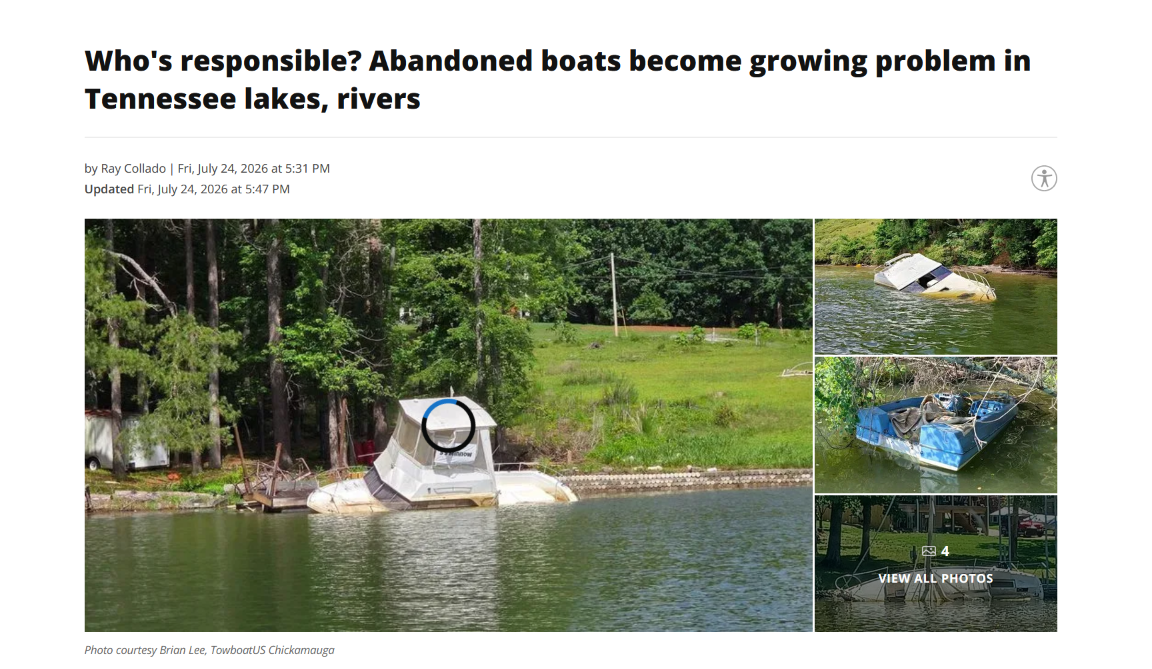
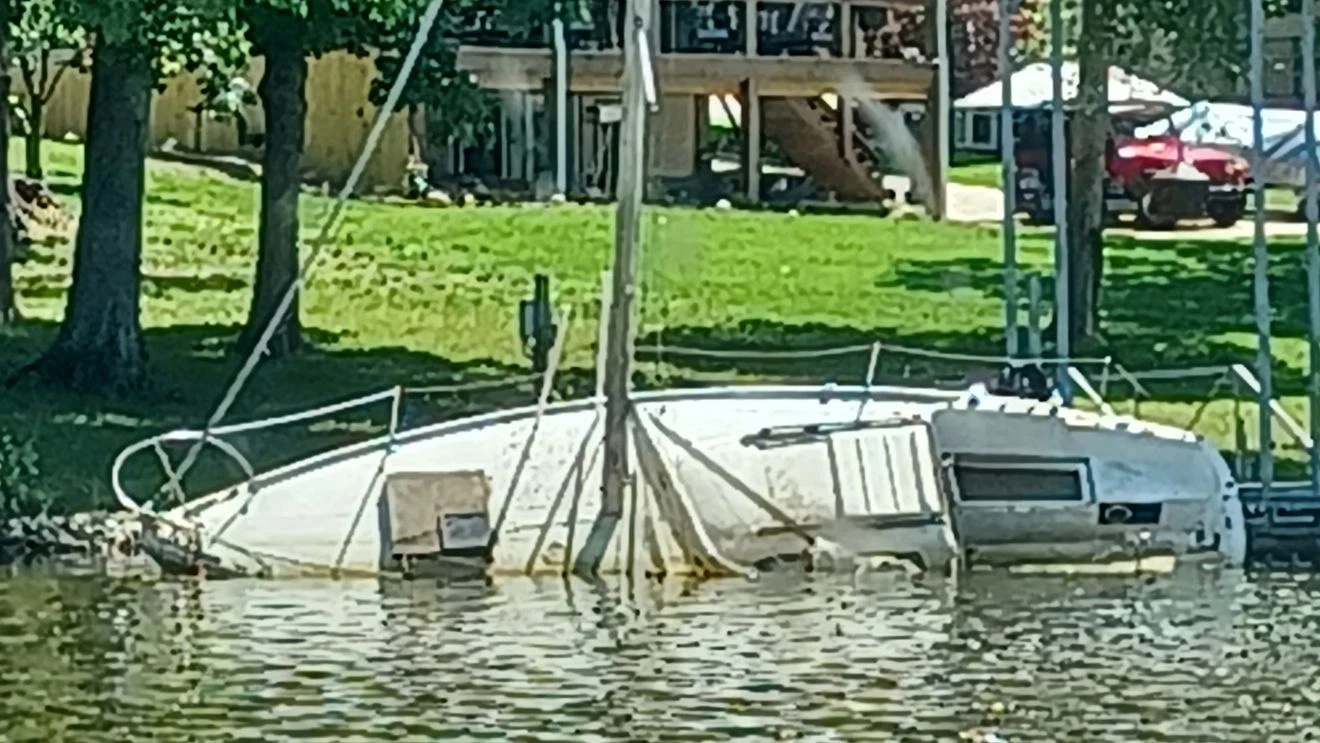
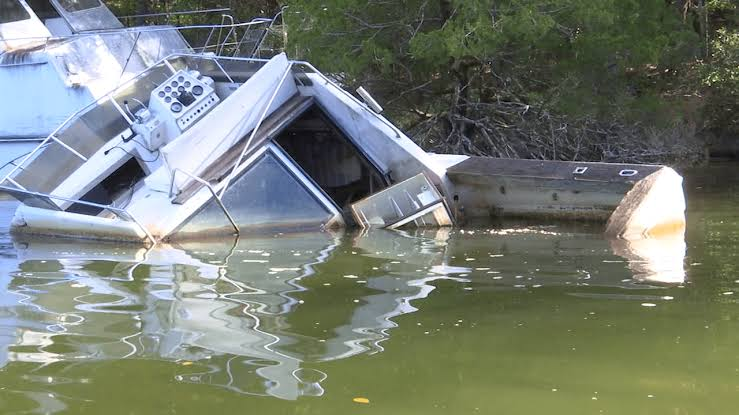
We have met this boat before.
Aidan LawsonIn The Negative Boat, the vessel crossed zero. Its private value fell below the cost of repair, storage, recovery, or responsible disposal. The owner’s incentive weakened. The physical object did not. Property lost the thread precisely when stewardship became expensive.
The private account closed. The lake kept the books.
Tennessee even built a serious proposed answer: persistent title, transfer records, abandonment rules, a prevention fund, removal grants, administration, reporting. Then the proposal reached finance, where the cost of remembering the boat became visible.
That was the earlier case.
I demand to return to the boat now for a different reason.
This is not an argument against accounting.
Accounting is one of the ways an institution remembers after the people who made the promise have left.
The Tennessee proposal made its own requirements unusually visible.
That is responsible public accounting. The repair was not allowed to arrive wearing the costume of a good intention. Someone had to put numbers beside it.
The problem appears in the comparison.
The existing field also contained work, cost, deterioration, risk, delay, and responsibility. We already followed those relations in the first Negative Boat. They were distributed across different institutions, private parties, waterways, equipment, budgets, and future decisions.
But they did not arrive at the finance committee as one competing total labeled:
COST OF CONTINUING TO HAVE THIS PROBLEM.
That asymmetry can make a repair look expensive without making the alternative cheap.
An account has to make a cut. Otherwise it cannot finish.
These are not signs of fraud. They are how accounting becomes usable.
An account containing every causal relation at equal resolution would not be an account. It would be an unfinished attempt to reproduce the world.
The constitutional problem begins afterward.
What the account preserves can return with force.
What falls outside the account has a harder journey back.
The relation may still exist.
It may still be carrying the result.
It may still be absorbing the burden.
But another institution now has to notice it, name it, preserve it, translate it, and somehow make it consequential again.
If that never happens, omission begins to behave like absence.
Call this surrounding field the dark sector: the people, capacities, conditions, histories, and risks that help produce or absorb an institutional result while remaining outside, delayed, softened, or misclassified in the account guiding the next decision.
Dark does not mean hidden crime.
Bright does not mean good.
Brightness means institutional recognition.
They had names, amounts, dates, categories, and places inside the institution’s memory.
A burden can remain fully real without receiving that kind of light.
The point is not that every omitted thing belongs in every account.
It does not.
The fiscal memorandum for a vessel-title program should not attempt to quantify every fish, every memory attached to a shoreline, every future boat trip, every hour of human attention, and every possible consequence of every hull in Tennessee.
That would not make the account morally complete.
It would make it unusable.
Worse, the institution deciding how to count everything would acquire extraordinary power over what everything is.
“Count more” is therefore not enough.
Some burdens should be measured.
Some should be described.
Some need testimony.
Some need physical inspection.
Some need another institution entirely.
Some should remain private unless a particular public function can justify crossing the boundary.
And some uncertainties need to remain uncertainties instead of being converted into a convenient zero.
The constitutional demand is narrower:
Do not let a known omitted burden acquire the institutional status of nothing.
If a consequential decision compares a counted proposal against an existing field, the field needs enough presence for the comparison to remain honest.
That might mean another schedule beside the fiscal account.
Not a grand moral balance sheet. A record of what the ordinary account cannot carry but the decision cannot safely forget.
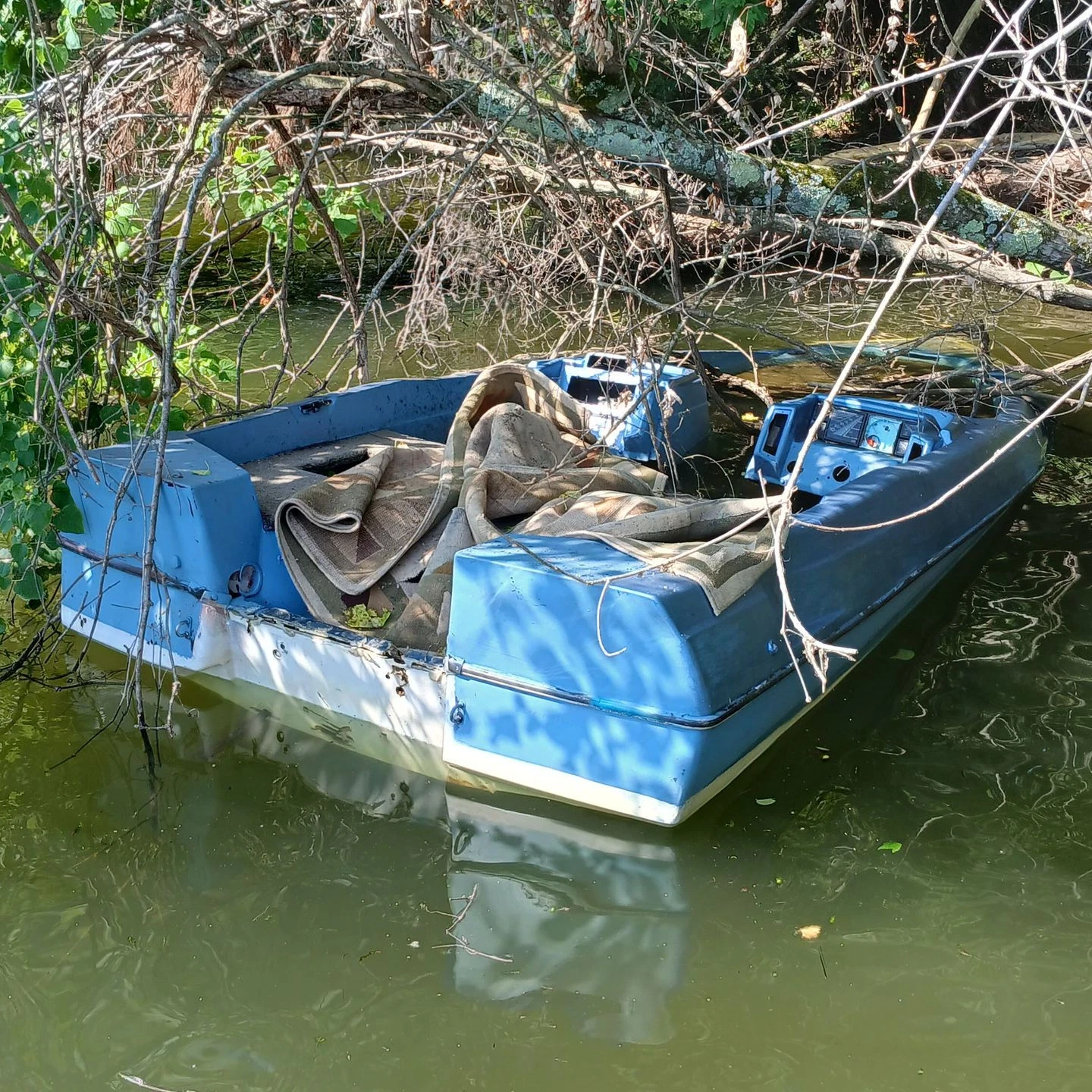
For the negative boat, that could mean verified removal work already occurring elsewhere, unresolved ownership searches, material deterioration, public equipment use, private payments, navigation conditions, or known uncertainty in the transfer history.
None of those entries commands the legislature to enact the original proposal. Their job is to prevent one side of the comparison from becoming free through omission.
Artificial intelligence makes the dark sector harder to excuse and easier to manufacture.
A system can search contracts, invoices, transfer records, maintenance logs, grants, complaints, inspection records, and public data at a scale that once required a national bureaucracy.
It can follow a burden across accounts. It can notice that one institution recorded a completed transfer while another is still carrying the unresolved work. It can preserve provenance and show where a classification changed.
That is all useful.
The same system can also make omission look scientific.
Formal documents can outrank the person standing beside the material consequence. The proprietary reader can become the institution through which every omitted relation has to pass before it is allowed to count.
Artificial intelligence can widen the search. It cannot become the final accountant of the field.
The Tennessee fiscal account was right to count the cost of the proposed repair.
The boundary of the account is not the boundary of the field.
When an omitted support or burden is known well enough to change a consequential decision, the fact that it lives outside the preferred account cannot be allowed to turn it into zero.
The account may close. The relation may continue.
The negative boat already taught us that lesson in matter.
Now look at what accounting does to people.
An account can name the person who owns, signs, invents, directs, or presents the result.
The person left inside the bright account may have contributed something extraordinary. Once the supporting field becomes background, that person can also begin to look like the author of the whole thing.