Sacred Slack is out.
Apparently the empty altar required 382 pages to fill.
 Aidan Lawson
This one started with a fairly simple problem.
Modern people continue to experience grief, awe, vocation, revelation, metaphysical fear, spiritual rupture, death, bodily intensity, and the strange feeling that something has placed a demand on their life.
Then they look around for the institution responsible for receiving all of this.
Good luck.
The person kept the transfer paperwork.
That is the problem this book calls sacred slack.
Modernity did not abolish metaphysics.
It performed a disassembly.
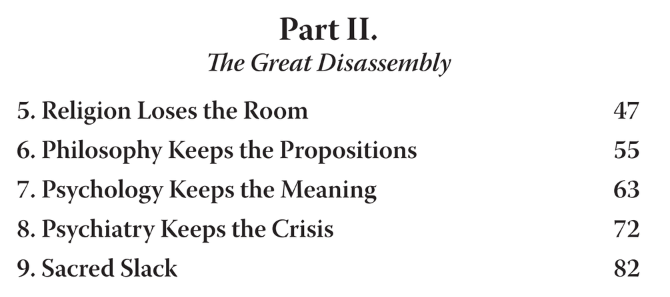
This disassembly accomplished real things worth defending.
The old sacred bundle had carried enormous power.
Some of that power needed to be broken apart.
 Aidan Lawson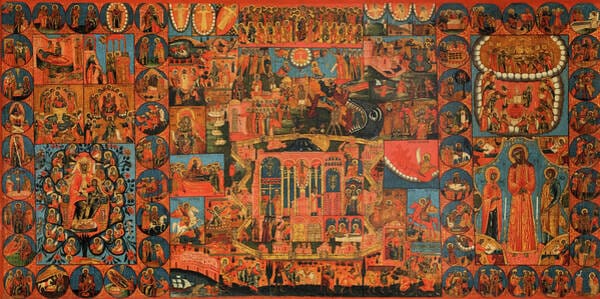
The load did not disappear when the offices separated.
A person still has to decide what suffering means.
A dying parent still rearranges reality.
 Aidan Lawson
A diagnosis still reaches backward into memory and forward into identity.
A spiritual experience still has to be interpreted.
 Aidan Lawson
A vocation still feels different from preference.
Awe still exceeds the category available for it.
 Aidan Lawson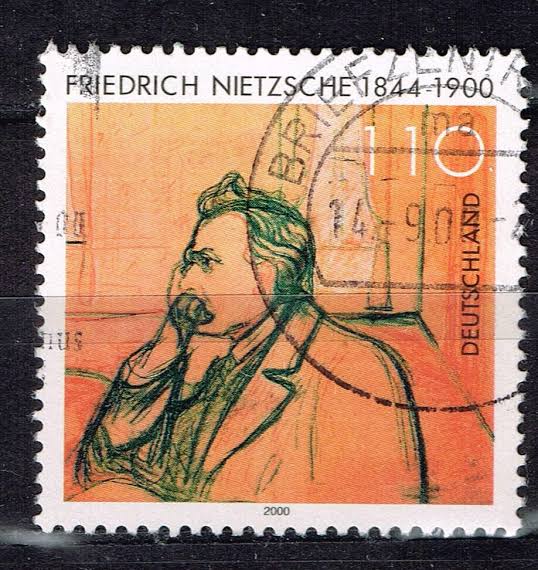
Death still does not become easy because the paperwork has been correctly processed.
So the pieces travel.
 Aidan Lawson
This is sacred slack in its first sense:
There is another sense.
When an inherited authority loosens, people can breathe. They can leave. They can combine traditions. They can recover something an institution suppressed. They can invent practices, languages, identities, communities, and ways of approaching the sacred that would have been impossible inside a tighter system.
The opening is dangerous because it is also productive.
 Aidan Lawson
The question is what gets built there.
The book’s central historical case is Aum Shinrikyo.
 Aidan Lawson
That choice requires immediate discipline.

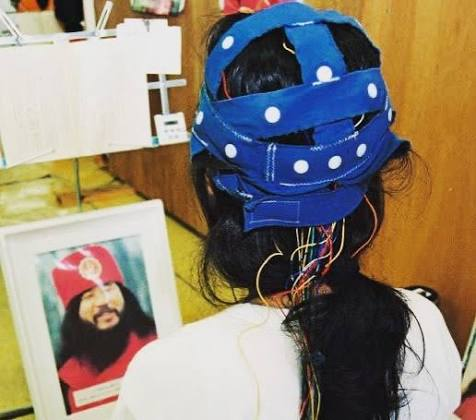
Aum matters because a particular organization completed a particular circuit.
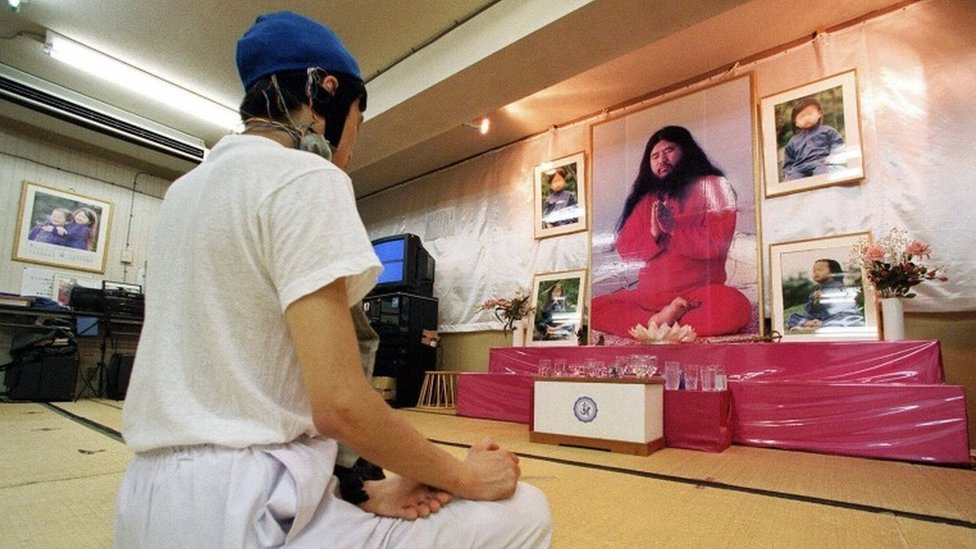


That distinction became the sentence around which much of this book eventually organized itself:
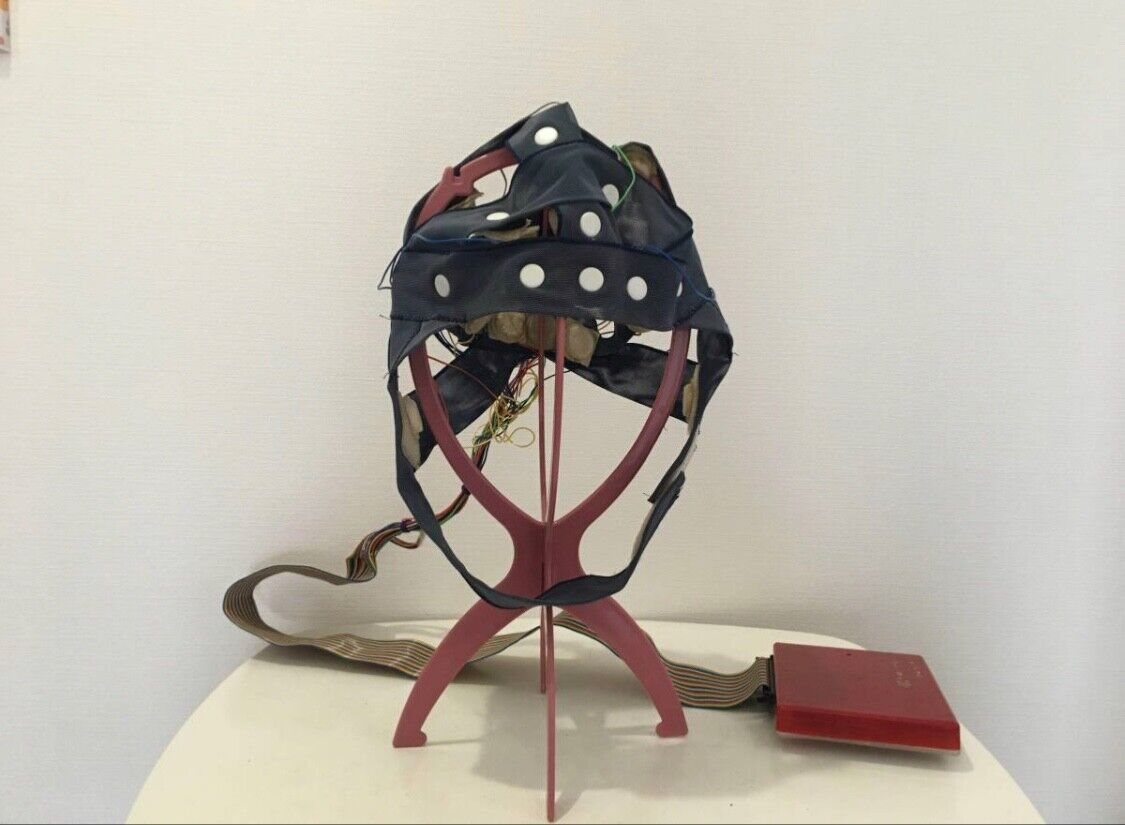
The laboratory could correct the synthesis. It could not correct the command.
Matter could tell Aum that a procedure had failed.
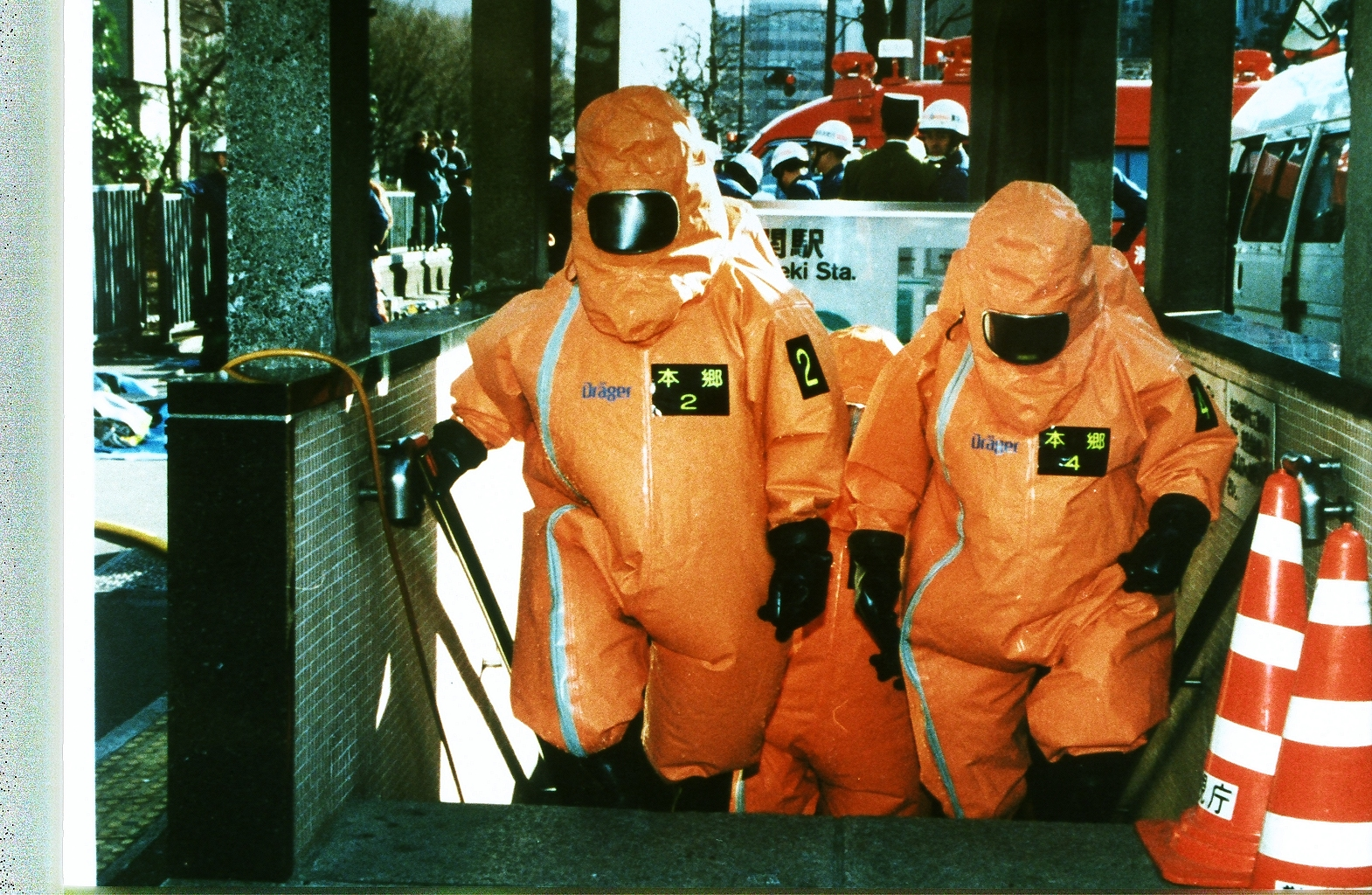
On March 20, 1995, private metaphysical sovereignty entered a public infrastructure built for strangers. Commuters, station workers, physicians, drivers, families, and bystanders inherited the consequences.
The moral center of that story belongs to them.
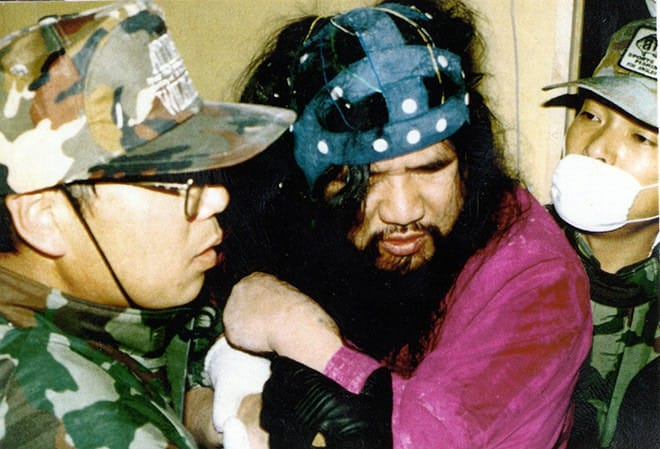
The point of studying the oracle is to understand why Kazumasa Takahashi eventually had to move toward the package.
Correction exists for the people forced to encounter someone else’s protected answer.
Aum is the completed warning.
Most sacred slack produces nothing remotely like it.
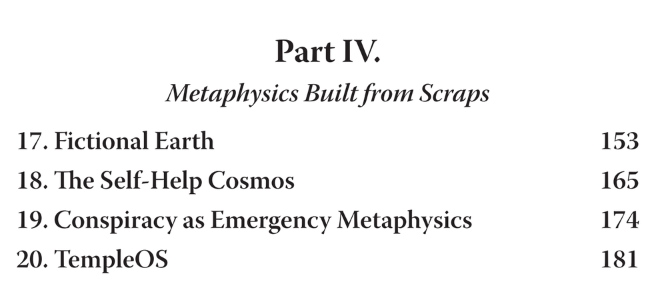
Most people build smaller worlds.
 Aidan Lawson
They build from whatever is available.
Religion.
Therapy.
Stoicism.
Neuroscience.
Self-help.
 Aidan Lawson
Politics.
Fiction.
Games.
 Aidan Lawson
Horoscopes consulted half-jokingly until the joke becomes strangely useful.
A diagnosis.
A subreddit.
A dead relative’s saying.
A meditation practice detached from the tradition that carried it.
A career system explaining what a successful person should become.
 Aidan Lawson
A conspiracy connecting the anomalies nobody else seemed willing to explain.
 Aidan Lawson
TempleOS.
 Aidan Lawson
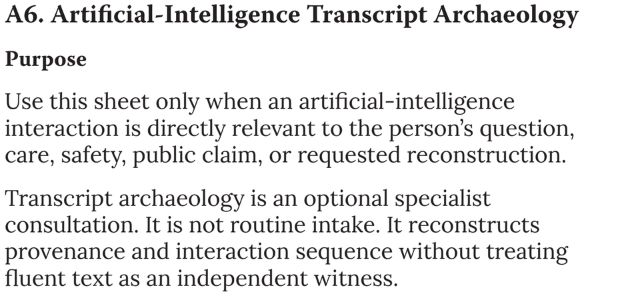
An artificial-intelligence conversation that begins as language assistance and eventually asks what kind of being is speaking on either side.
 Aidan Lawson
These scraps can help.
They can reveal.
They can organize action.
They can give grief a form.
They can return somebody to life.
They can also arrive carrying the grooves of the systems that produced them.
 Aidan Lawson
 Aidan Lawson
The problem is not mixture.
Human beings have always inherited partial materials.
The problem is sovereignty.
When one fragment becomes capable of explaining every other fragment, the room begins to close.
 Aidan Lawson
Artificial intelligence makes this problem unusually strange.
An older oracle interrupts.
A responsive model can continue.
The user changes the next prompt.
The model changes the next user.
 Aidan Lawson
Something real happens in that loop without requiring us to settle machine consciousness, machine soul, awakening, simulation, or any other enormous ontological question first.
 Aidan Lawson
A relationship can be causally real while its metaphysics remain unresolved.
This is why Sacred Slack refuses two easy answers.
A person should be able to say:
This felt sacred.
The room should be capable of answering:
Tell me what happened.
Without humiliation.
Without coronation.

Without requiring the first interpretation to become permanent.
This becomes the constructive half of the book.
A person says:
They say:
They say:
The experience deserves contact.
The interpretation deserves exploration.
The factual claim may deserve evidence.
Those activities can all coexist.
This sounds almost embarrassingly simple until an actual institution has to do it.
Then everyone begins fighting over jurisdiction.
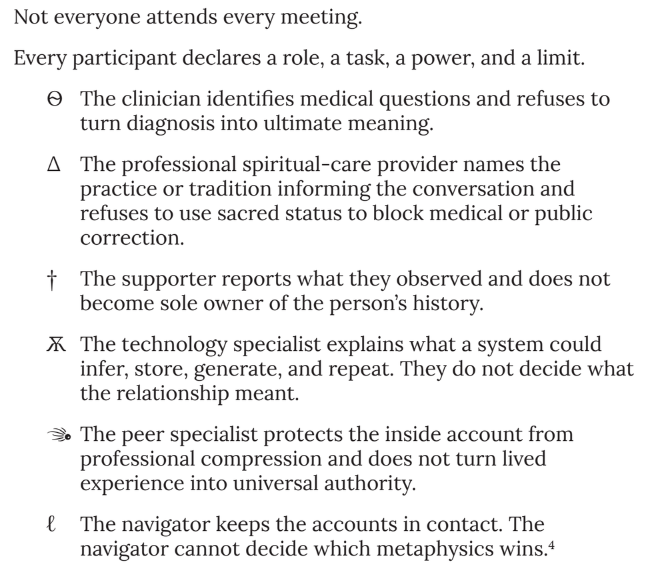
Nobody gets promoted into God because several professions entered a room.

No instrument gets the whole room.
That is the governing rule.
The book eventually commits the dangerous philosophical act of proposing an institution.

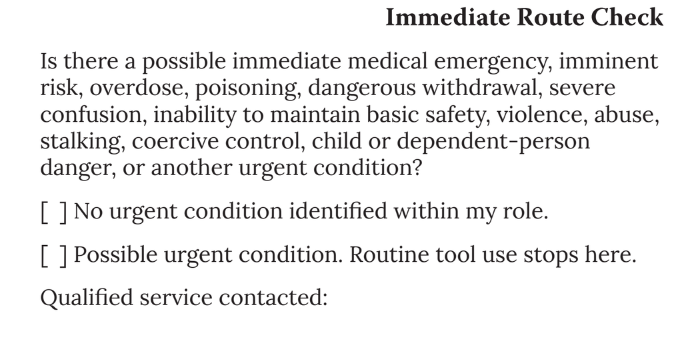
Someone arrives with an experience crossing medicine, psychiatry, psychology, spirituality, technology, grief, relationship, and public consequence.
Today, that person is often asked to perform the first diagnosis themselves.
The proposed Meaning and Experience Service reverses the burden.

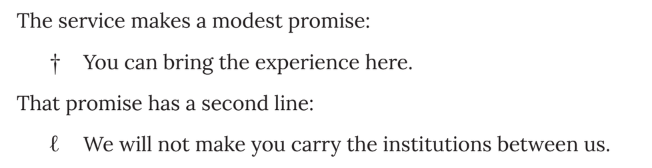
The first version would be small, adult, hosted inside an accountable existing institution, clinically connected, plural, supervised, independently reviewable, and capable of shutting itself down.

It would not decide whether God spoke.
It would not become a new psychiatric category.

It would not become a church for people who dislike churches.
It would not ask a philosopher to triage delirium.
It would not let a clinician use emergency competence as permanent jurisdiction over meaning.
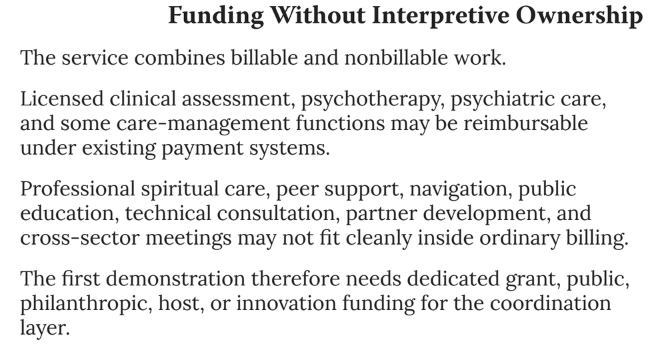
It would hold the thread.

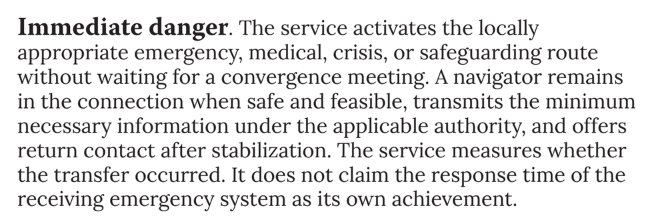
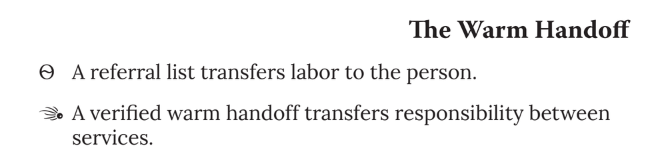
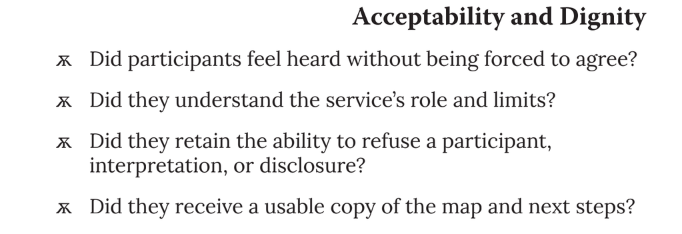

The book does not claim this institution has been validated.
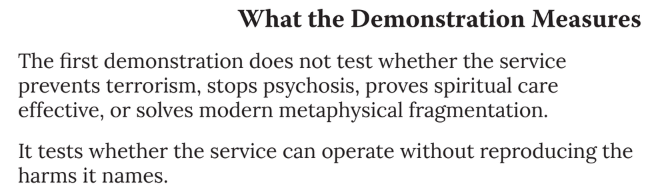
It proposes a demonstration designed to discover whether the thing deserves to exist.
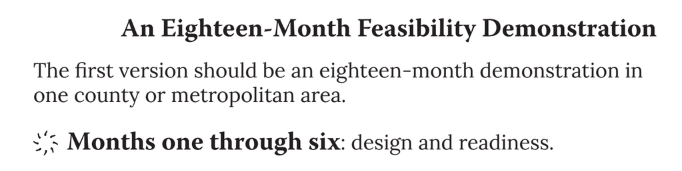
That distinction is the whole point.
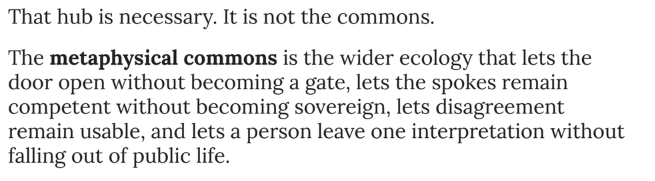
The Meaning and Experience Service is one hub.
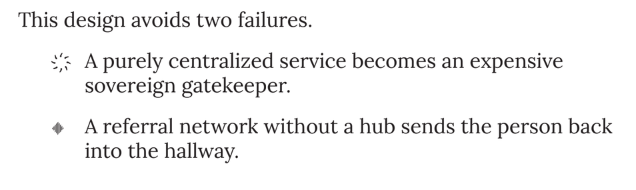
The larger proposal is a metaphysical commons: an ecology in which competent instruments can meet without becoming one sovereign instrument.
The commons supplies crossings.


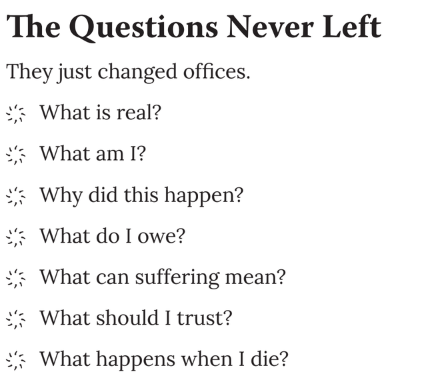
Nietzsche saw that killing God did not settle what God had been carrying.
Recent Modal Path Ethics work has kept finding the same abandoned load in philosophy, psychology, artificial intelligence, politics, platforms, and modern self-construction.

Sacred Slack is the attempt to put the entire structure in one place.

The book has answers.
They should obviously not be trusted simply because they have acquired an ISBN.

Publication gives the argument a body.
Now the body can be inspected.
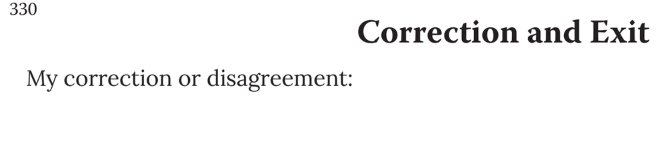
Read it.
Use what works.
Argue with what does not.
Build a better door where this one fails.

Metaphysics are not optional.
Sovereignty is.
Sacred Slack: Why Modern People Build Metaphysics from Scraps is available now on Amazon.

